E-Paper


Liberated Brands, owner of Quicksilver, Billabong, and Volcom, shuts stores and files for bankruptcy
Liberated Brands, a licensee of the global leader in apparel Authentic Brands, filed for Chapter 11 bankruptcy in February 2025.

 Prefer HTon Google


Liberated Brands, a licensee of the global leader in apparel Authentic Brands, filed for Chapter 11 bankruptcy in February 2025. It held licenses to several brands under the Authentic Brands group such as Quiksilver, Billabong, Roxy, RVCA, Honolua, and Boardriders in North America along with wholesale licenses for Billabong and RCVA. In December last year, Authentic terminated Liberated’s license rights for Volcom, RCVA, and Billabong following the company’s failure to pay royalties.
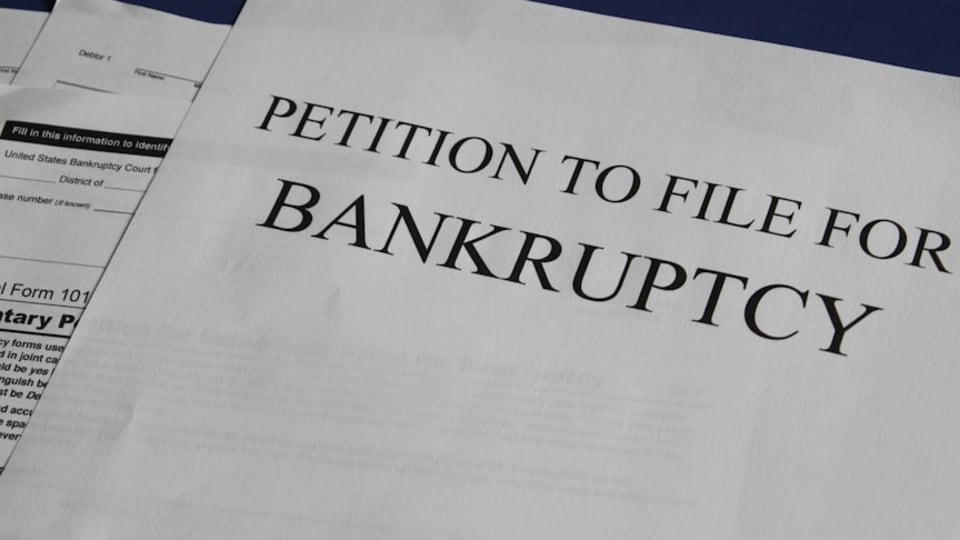
The company filed for bankruptcy soon after stating that the decision meant to “implement an orderly monetization and disposition of its businesses. The company has been in the process of transitioning its brand licenses to new license holders as part of a management transition to ensure continuity for the brands and their success moving forward”. The licenses to the brands in question were soon transitioned to "new, well-capitalized partners who are actively investing in their growth and long-term success”.
What led to bankruptcy
Liberated previously underwent a spike in revenue from $350 million in 2021 to $422 million in 2022 according to CEO Todd Hymel. He credited the sharp increase on demand during COVID-19 along with the acquisition of more brand licenses during that period as reasons for this growth. However, as interest rates began to rise following the end of the pandemic, demand for the company’s products slipped drastically.
There were hopes that Liberated would be able to regain its footing in the last 18 months but this was hampered by consumer interest shifting towards fast fashion instead. “The average consumer has shifted their spending away from discretionary products such as those offered by Liberated,” Hymel said, as reported by Bloomberg.
The traditional seasonal retail model found it difficult to keep up with the micro trend-oriented model followed by these new houses which produced larger quantities at lower prices. “Consumers can cheaply, quickly, and easily order low-quality clothing garments from fast fashion powerhouses and have such goods delivered within days,” Hymel added.
Rise in interest rates, inflation, supply chain delays, and decline in customer demand were some of the macroeconomic issues faced by the company which were referred to as “significant liquidity challenges in 2024” by Hymel.
On the occasion of a partner being unable to oblige their commitments, Authentic’s executive vice president of action and outdoor sports and lifestyle, David Brooks feels that the company can then transition the agreement to others in the network. “Liberated’s U.S. store fleet was overinflated, burdened with outdated and underperforming locations. As a result, physical U.S.-based stores will likely be rationalized, allowing the brands to create more value and strengthen their presence across specialty retailers, department stores, and e-commerce — ensuring a more agile and resilient future,” he added.
Bankruptcy claim dismissed
While filing for bankruptcy, Liberated expected to keep its stores open to sell off the last of its stock. "Through the filing of customary motions with the Court, Liberated intends to uphold its commitments to customers, employees, and partners, including continued payment of employee wages and benefits. The Chapter 11 process will be financed by JP Morgan," the company shared.
The company’s liquidation sale process suffered a problem however when its expected proceed did not match its going-out-of-business sales. The $65 million earned from the sale of assets did not cover the amount to its creditor- JP Morgan. This development led a judge to dismiss the bankruptcy filing.
Matthew Fagen, the Kirkland & Ellis LLP restructuring partner representing Liberated at the court hearing said, “What that means, your honor, is that based on the amount of value collected and the amount of value that we expect to be collected, there will not be enough proceeds, unfortunately, to pay the DIP (Debtor-in-Possession) claim in full or to pay the adequate protection claim for the ABL lenders in full.”
The company still needs to collect $27 million from the $65 million it has generated. A shortfall of $22.1 million in DIP claims and $5 million of ABL adequate protection claims is expected. An objection from one of the company’s creditors led the judge to grant dismissal. All remaining funds will go to JP Morgan while none of the remaining creditors will be paid.
– By Stuti Gupta