E-Paper


Texas brought aoudad sheep from Africa for hunters in the 1950s; they spread widely and now compete with native bighorn for food and habitat
In 1957, aoudad sheep from Africa were released in Texas for hunting. They spread across the state and now compete with native bighorn for food and habitat.

 Prefer HTon Google


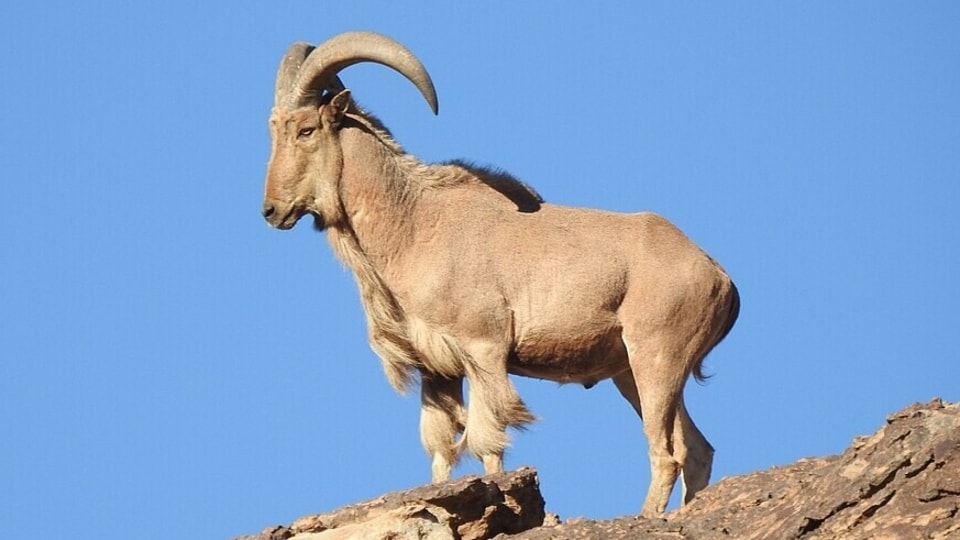
A new animal can often seem like a small addition to a landscape, but things can go wrong very fast. Aoudad are native to northern Africa, but were introduced into the wild in Palo Duro Canyon, Texas, in 1957, according to a 2025 Texas A&M AgriLife Extension fact sheet. Since then, these long-horned sheep have spread to several regions of the state. The animals now compete with native wildlife, including bighorn sheep, for habitat.
From northern Africa to Texas
Aoudad, also known as Barbary sheep, are native to the dry mountains of northern Africa. The species is listed as vulnerable by the International Union for the Conservation of Nature. The Texas Tech University account in The Mammals of Texas, Seventh Edition adds that fewer than 10,000 aoudad are thought to remain in their native range. That makes their Texas story unusual, because an animal that’s in danger in its homeland is now common somewhere far away from home.
Aoudad were first brought to the United States about 1900 and have long been kept in zoos and on private preserves, the Texas Tech account explains. Releases into the wild started in the 1950s: first in New Mexico in 1950 and then in Texas in 1957. The Texas A&M fact sheet states that exotic wildlife species in Texas were released mainly for hunting purposes, and aoudad are considered to be exotic. There are no closed seasons for exotics in Texas, though hunters do need a valid Texas hunting license.
How the herd spread
The university account indicates that 31 aoudad were released in 1957 southwest of Claude in Armstrong County. Thirteen other aoudad were released around Quitaque in Briscoe County. But over the years, aoudad showed up far outside those early locales. The fact sheet says aoudad are now common in Texas, with healthy populations in the Edwards Plateau, Trans-Pecos, South Texas Plains, and where the Rolling Plains meet the High Plains. Private introductions also helped them move into several regions.
Aoudads like rough, rocky terrain, and the fact sheet describes them as good climbers and generalist feeders. Depending on habitat, season, and rainfall, they can eat grasses, woody plants, or both. They don’t rely on standing water, as they get much of their moisture from plants. Groups can range in size from 10 animals to several hundred. The Texas Tech account says it was once thought the total population of Texas was more than 5,000, but more recent estimates put the number at more than 30,000.
Where aoudad and bighorn overlap
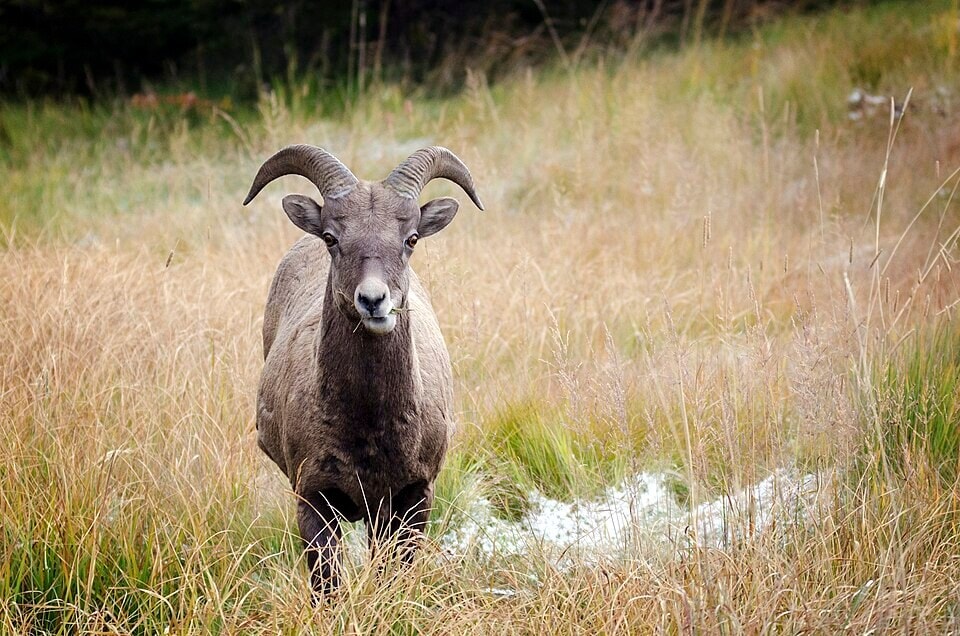
The Texas A&M fact sheet calls aoudad major competitors to native Texas wildlife for habitat and food. They share habitats with desert bighorn sheep and mule deer. This means that they compete both directly and indirectly for habitat and space, particularly in very large numbers. The Texas Tech account makes a similar point about bighorn. Aoudad and bighorn are both adapted to dry, rough land, so it is quite possible they could not coexist in the same area because of competition.
Then there is the question of disease. The fact sheet says aoudad can transmit disease to native wildlife and livestock, especially when they are transported for hunting and breeding. For example, aoudad can pass on respiratory diseases such as Mycoplasma ovipneumoniae to bighorn, and that germ is deadly to them but not to aoudad. The university account also notes that aoudad can hurt efforts to reintroduce bighorn into the Trans-Pecos. However, it says the total impact of aoudad on Texas wildlife and rangelands remains to be determined.
The Texas Tech account has a twist in store too. The Texas population may become important for reestablishing herds there, since aoudad are vulnerable in their native range. In the meantime, the species should be monitored and kept away from areas where bighorn are coming back. The aoudad story shows how a release back in the 1950s can still end up influencing wildlife decades later.