
 E-Paper


US 10-year Treasury yield hits 5%: Will oil prices and Fed rate decision push yields even higher?
US 10-year Treasury yield hits 5% as oil prices, inflation, rising debt and the Fed rate decision raise concerns over higher bond yields.

 Prefer HTon Google


The yield on the US 10-year Treasury note climbed to 5.02% on Tuesday, rising as much as 4 basis points. This is the highest level since 2007, meaning the yield has reached a level not seen in almost two decades.
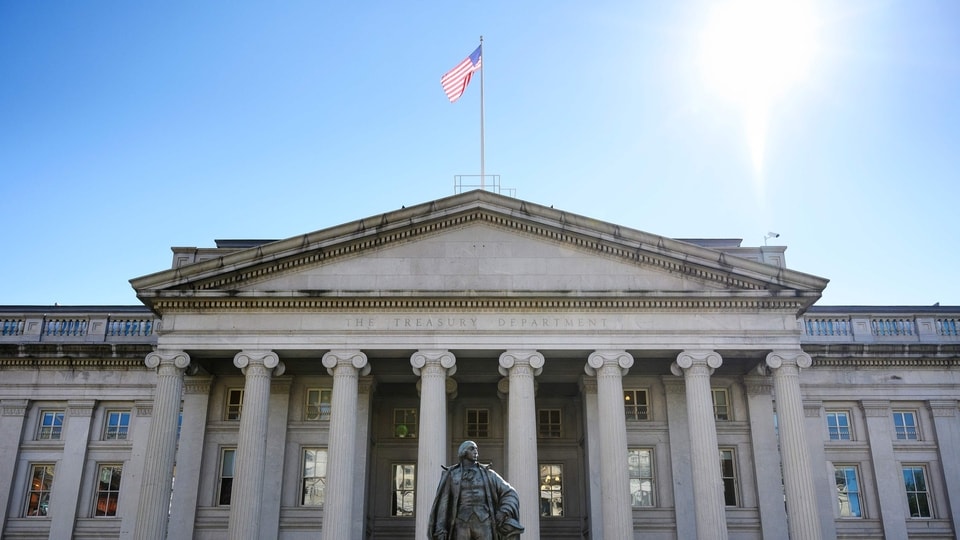
The move is part of a wider global selloff in government bonds. Rising energy prices, high government debt and inflation fears are putting pressure on bond markets.
Oil prices push Treasury yields higher
A fresh rise in global oil prices helped push Treasury yields higher. Investors are worried about possible disruptions to Middle Eastern oil and gas supplies. Higher oil prices can increase inflation because energy is a major cost for consumers and businesses. If inflation stays high, investors may expect interest rates to remain higher for longer. That can push Treasury yields even higher.
Fed rate decision could move bond yields
Deep Dive

The Federal Reserve is due to announce its interest-rate decision on Wednesday. Investors expect the Fed to raise short-term borrowing costs for the first time since July 2023. The decision matters because higher interest rates usually put upward pressure on Treasury yields, especially when investors think inflation could remain a problem.
Fed rate hike expectations are already high
Markets are already pricing in a certain level of monetary tightening. If the Fed does not raise rates, investors could become worried that the central bank is not doing enough to control inflation. Even if the Fed raises rates but signals that it will be more patient with future rate increases, Treasury yields could rise. Investors may demand higher yields as compensation for taking on greater inflation risk.
Also read: US admits weapons are in orbit — Why China is warning of a new space arms race
Fed faces inflation credibility risk
"It would be very difficult for the Fed to leave rates unchanged this week without eroding its inflation-fighting credibility," said Vail Hartman, a strategist at BMO Capital Markets, according to the Bloomberg report. Hartman said the bond market is vulnerable not only to an unexpected decision to hold rates, but also to a dovish rate hike.
A dovish hike would mean the Fed raises rates but gives investors a more relaxed outlook for future tightening. This could happen through a more patient message in the Fed's dot plot or press conference, Hartman said.
Iran conflict raises oil supply fears
US and Israeli military action against Iran began in late February. The conflict has disrupted the supply of Middle Eastern oil and gas. This has added to concerns about higher energy prices and inflation. Since then, government bond yields have been rising in markets around the world.
AI borrowing adds more debt
The Treasury market is facing another source of pressure: massive corporate borrowing to finance artificial intelligence spending. Companies are issuing more debt to fund their AI investments. This increases the overall amount of debt available in financial markets. At the same time, this spending is adding stimulus to an already strong US economy.
Strong US economy keeps yields under pressure
The US economy has remained relatively resilient. There are currently no clear signs of a major weakness in the real economy. This makes it harder for investors to expect Treasury yields to fall sharply. If economic growth remains strong while inflation risks rise, investors may continue demanding higher yields.
Rising government debt adds pressure
Governments around the world are increasing the amount of debt they issue. Some of this borrowing is needed to replace old bonds that are maturing. Governments are also borrowing more to finance their budget deficits. More government debt means bond markets have to absorb a larger supply of securities.
Central banks are buying fewer bonds
During quantitative easing, central banks bought large amounts of government bonds. Those purchases created strong demand for government debt. Central banks are now no longer absorbing government bonds at the same scale through QE programmes. This means private investors have to take on more of the supply.
Also read: AI stocks at risk? Why Sam Altman and Dario Amodei want to slow AI development
Demand from some traditional buyers of government bonds is cooling. This leaves the Treasury market more dependent on investors who are highly sensitive to prices and yields. When these investors see more inflation or debt risks, they can demand higher yields before buying bonds.
Structural demand for US government bonds, particularly from foreign official investors, has declined. Phoebe White, head of US rates strategy at UBS Group AG, said the long-term demand for Treasuries is materially weaker than before, according to Bloomberg. She also said the current Treasury market has very different supply and demand conditions compared with 2007.
Why 5% matters for investors
The 10-year Treasury yield reaching 5% shows how much pressure the US bond market is facing. Higher Treasury yields can increase borrowing costs across the economy, including for mortgages, companies and other borrowers. They can also affect stock valuations because investors compare the returns available from bonds with returns expected from stocks.
What could push Treasury yields higher
Higher oil prices plus continued inflation fears and heavy government borrowing could keep pushing Treasury yields higher. A Fed decision that is seen as too soft could add to those pressures. On the other hand, a stronger-than-expected fight against inflation could help calm the bond market. For now, investors are watching the Fed decision, oil prices, inflation and Treasury supply closely as the 10-year yield sits above 5%.
The rise in the 10-year yield is not being driven by just one factor. The market is dealing with higher energy prices, Middle East supply risks, strong US economic activity, heavy corporate AI borrowing, rising government debt and weaker central-bank and foreign demand for Treasuries. Together, these forces are making investors demand more return to hold long-term US government debt.


