
 E-Paper



What is ‘Civic Duty Voting’? All you need to know about US presidency hopeful Vivek Ramaswamy's proposal
At age 37, Vivek Ramaswamy is the youngest person competing for the 2024 GOP presidential nomination.

 Prefer HTon Google


Indian American presidential aspirant Vivek Ramaswamy announced his support for a constitutional amendment that would implement ‘Civic Duty Voting’ among Americans aged 18-25. The proposal, if enacted, would effectively raise the voting age to 25, with provisions for 18 to 25-year-olds to vote if they fulfil a national service requirement or pass a civics exam similar to the one for naturalized citizens.
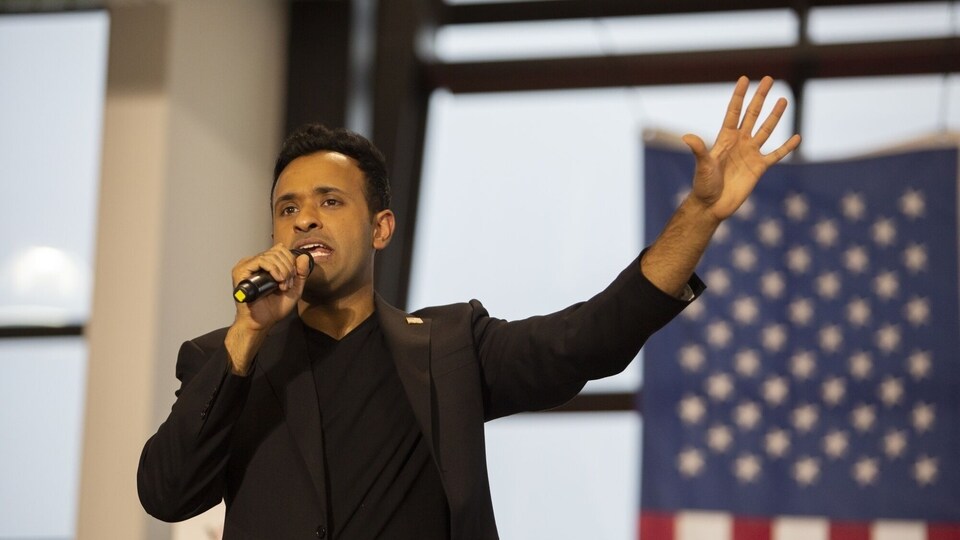
Ramaswamy, an Indian American entrepreneur and self-proclaimed "anti-woke" activist, is seeking a Republican ticket for the upcoming 2024 US presidential elections.
He emphasized that voting would remain accessible to citizens from the age of 18. However, at age 18, individuals would have three options to exercise their right to vote: completing six months of direct service in the US military or first response services, passing a civic education test identical to the US citizenship exam, or waiting until age 25.
Implementing ‘Civic Duty Voting’ would necessitate a constitutional amendment, requiring the support of two-thirds of legislators in both chambers of Congress and three-fourths of state legislators.
Ramaswamy stressed the need for this initiative, citing concerns about the diminishing sense of national pride and the declining military recruitment rate. "Our military currently suffers a 25 per cent recruitment deficit, and only 16 per cent of Gen Zs say they're proud to be American. The absence of national pride is a serious threat to the future of our country," he said.
Also Read | Vivek Ramaswamy tells 16-year-old how to be successful
The proposed voting system aims to instil a sense of shared purpose and responsibility among young Americans to become educated citizens. Ramaswamy drew parallels to the 1971 26th Amendment, which lowered the voting age to 18 in response to the mandatory military draft during the Vietnam War. He argued that tying voting to civic commitments has long been part of the national culture and that Civic Duty Voting could reignite civic duty in America.
Making a strong pitch for Civic Duty Voting in Iowa, Ramaswamy argued that its implementation would not require additional government bureaucracy, as the exam would be identical to the one already required of green card holders seeking citizenship. The six-month service requirement offers an alternative path for young Americans to fulfil their civic duty. Both requirements would be lifted at age 25, aligning with the existing Selective Service registration law for young male adults.
Acknowledging that changing the Constitution is a complex process, Ramaswamy remains committed to persuading others about the merits of his proposal. At 37 years old, he is the youngest contender for the 2024 GOP presidential nomination, competing against candidates in their 70s, including former President Donald Trump and former Arkansas Gov. Asa Hutchinson.
Voting age adjustments require approval from two-thirds of Congress and three-fourths of state legislators. The 26th Amendment, ratified in 1971, lowered the federal voting age to 18. Initially debated during World War II when the draft age was reduced to 18, the amendment gained momentum during the Vietnam War. Congress subsequently passed a law in 1970 lowering the voting age to 18 in federal, state, and local elections. The Supreme Court upheld the amendment, superseding state laws with higher age thresholds.
"We must think ambitiously about reviving civic duty in America. In 1971 the 26th Amendment lowered the voting age to age 18 following a mandatory military draft, and tying voting to civic commitments has long been part of our national culture. Civic Duty Voting can create a sense of shared purpose and responsibility amongst young Americans to become educated citizens," he said.
Ramaswamy believes that his proposal will stimulate a crucial conversation about citizenship and foster civic pride in the next generation. He stated, "Debate generated by my proposal will itself catalyze a long overdue conversation in America about what it means to be a citizen and how to foster civic pride in the next generation."


