
 E-Paper



Nepal gets serious on reconstruction eight months after quakes
Eight months after two massive quakes claimed nearly 9,000 lives, Nepal has appointed a chief executive to head the authority created for reconstruction activity.


Eight months after two massive quakes claimed nearly 9,000 lives, Nepal has appointed a chief executive to head the authority created for reconstruction activity.
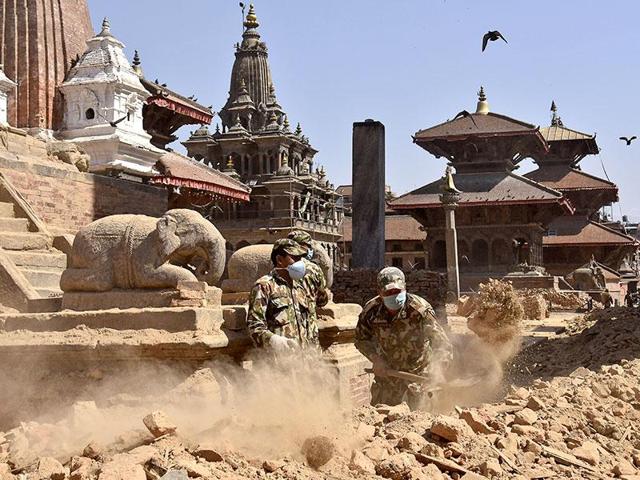
With the cabinet clearing the name of Sushil Gyawali, an experienced civil engineer, the country will finally be able to spend $4.1 billion pledged by international donors.
Thousands of people affected by the quakes are still living in temporary shelters in harsh winter conditions, and the delay in reconstruction work has annoyed many international donors and the UN.
Two quakes, on April 25 and on May 12, and hundreds of aftershocks destroyed and damaged nearly a million houses in the 14 worst affected districts.
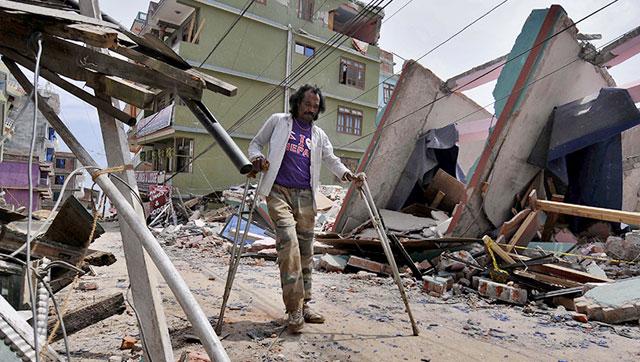
Read: 1,400 killed as massive quake hits Nepal, sends tremors across borders
A donor meet in June resulted in many countries and international donor organisations pledging support for reconstruction. India alone assured $1 billion.
A chief executive was named in August and a reconstruction authority formed through an ordinance. But it became ineffective due to the delay in tabling a bill on constituting the authority in parliament.
A change in government and differences among parties on who should head the body resulted in more delays. Finally, the bill was tabled and passed in parliament earlier this month.
The two quakes forced Nepal’s squabbling parties to hastily ratify the constitution in September. But protests against the statute in Terai and a blockade by Madhesis resulted in a severe shortage of essential items and fuel.
Agencies involved in relief work urged the government to hasten the setting up of the reconstruction body and warned of a humanitarian crisis among quake survivors due to the petrol shortage created by the blockade.
In pics: Nepal earthquake brings panic and destruction
Read: Is India in danger zone after recent earthquakes in Afghanistan, Nepal?



