E-Paper



Problems mar distribution of reconstruction aid to Nepal’s quake victims
Problems related to identification of victims has hit the distribution of aid for house reconstruction almost 11 months after two earthquakes killed nearly 9,000 people and destroyed more than half a million homes in Nepal.


Problems related to identification of victims has hit the distribution of aid for house reconstruction almost 11 months after two earthquakes killed nearly 9,000 people and destroyed more than half a million homes in Nepal.
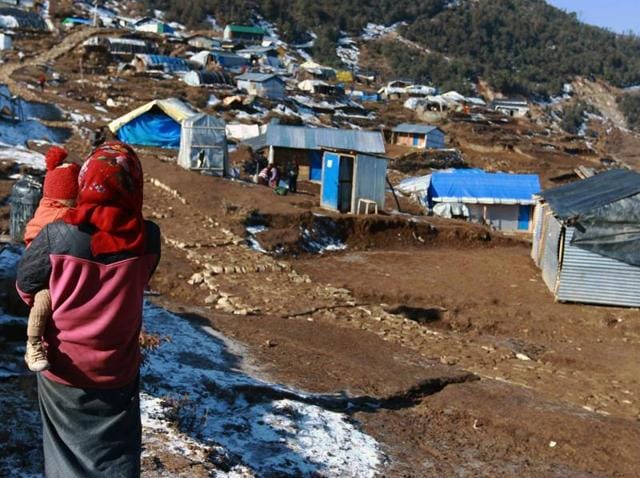
The distribution of NRs 200,000 (Indian Rs 125,000) per family was to commence from six villages in Dolakha district, where more than 5,000 families who lost their homes are to get compensation.
According to the guidelines framed by the National Reconstruction Authority, only families who produce citizenship and land ownership certificates will be given compensation to rebuild their homes.
But as the process began on Sunday, representatives of political parties disrupted the proceedings and insisted money should be allotted based on identification cards issued by the government after the quakes in April and May to help the distribution of relief.
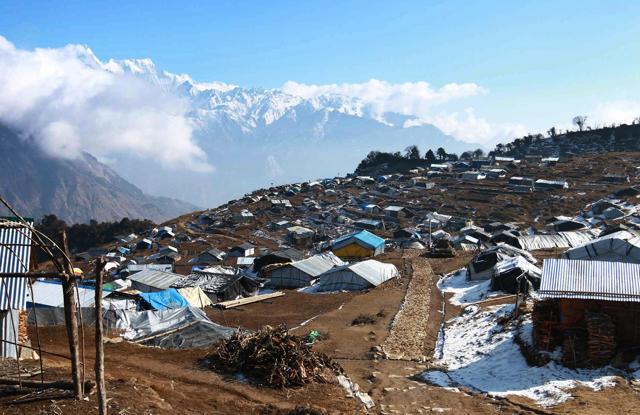
They contended that since many victims had lost citizenship and land ownership certificates during the quakes, those who did not possess them but had lost their homes should be given compensation.
“There were some technical problems. Discussions are on with all parties to ensure victims get compensation soon,” NRA spokesperson Suresh Adhikari told journalists.
Though dozens of quake-affected victims had arrived at the function in the hope of getting money to rebuild their homes, only one person was received the compensation.
Following a written assurance by NRA chief Suresh Gyewali to local parties on providing compensation to victims without valid documents, the distribution of the monetary aid is expected to resume soon.
The amount, to be disbursed in three instalments, will be transferred to the newly opened bank accounts of victims.
There have been complaints in the past of “fake victims” who managed to procure identity cards and got the relief meant for quake victims.
According to UN figures, nearly 200,000 quake-affected families are still living in temporary shelters.
In June last year, two months after the quakes, the world community had pledged $4.1 billion in reconstruction aid. But the authority to oversee reconstruction took shape only in December, eight months after the disasters.