
 E-Paper



World Environment Day: India’s water crisis is dirty, damaging
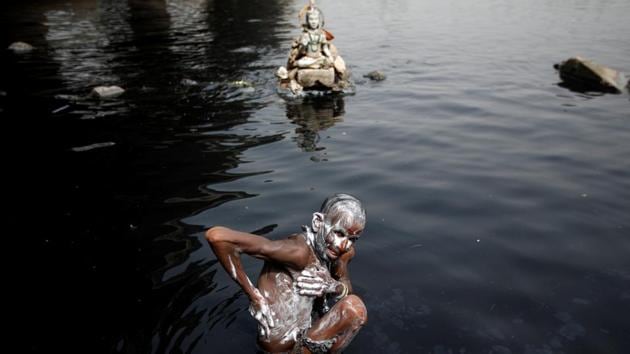
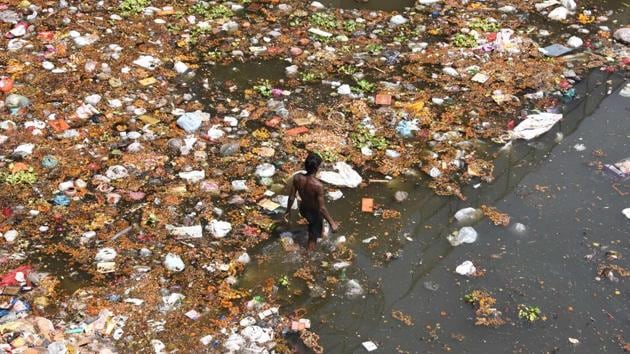
Contaminated with sewage and other industrial waste, more than half of India’s rivers are polluted and pose a threat to quality of water and aquatic life . Being the second most populous nation in the world, roughly half of the country’s population still practices open defecation and eighty percent of sewage flows untreated directly into the rivers, polluting the main sources of drinking water. With high levels of contamination in the water bodies, many cities in India are likely to face a serious shortage of clean water in the years to come. With World Environment day being celebrated across the globe, highlighting and creating awareness regarding environmental issues is a must on a global level. (REUTERS)
Updated on: Jun 5, 2017 6:31 PM IST


Share via


Copy link

1/8
 View Photos in a new improved layout
Updated on Jun 5, 2017 6:31 PM
Contaminated with sewage and other industrial waste, more than half of India’s rivers are polluted and pose a threat to quality of water and aquatic life . Being the second most populous nation in the world, roughly half of the country’s population still practices open defecation and eighty percent of sewage flows untreated directly into the rivers, polluting the main sources of drinking water. With high levels of contamination in the water bodies, many cities in India are likely to face a serious shortage of clean water in the years to come. With World Environment day being celebrated across the globe, highlighting and creating awareness regarding environmental issues is a must on a global level. (REUTERS)
2/8
 View Photos in a new improved layout
Updated on Jun 5, 2017 6:31 PM
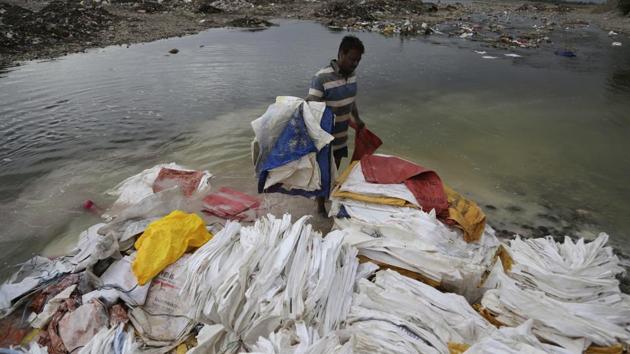
A man washes sacks used to carry limewash in a shallow on the banks of river Tawi in Jammu. In many households, safe drinking water is not a basic amenity rather a luxury especially in semi-urban and rural areas. According to a report ,each day approximately 500 million litres of wastewater from industrial sources is dumped into the rivers of India. (Channi Anand / AP)
3/8
 View Photos in a new improved layout
Updated on Jun 5, 2017 6:31 PM
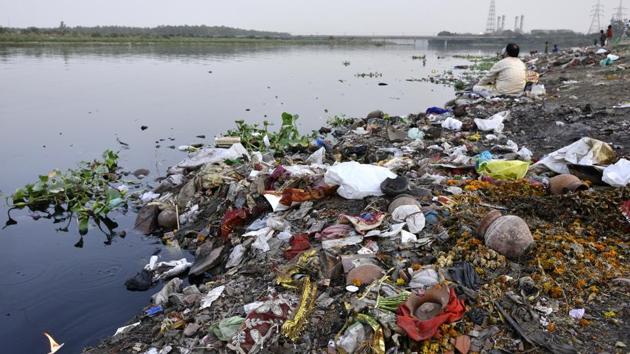
Indian cities produce nearly 40,000 million litres of sewage every day and barely 20 percent of it is treated, according to a new report released by the Centre for Science and Environment (CSE). (Arun Sharma/HT PHOTO)
4/8
 View Photos in a new improved layout
Updated on Jun 5, 2017 6:31 PM
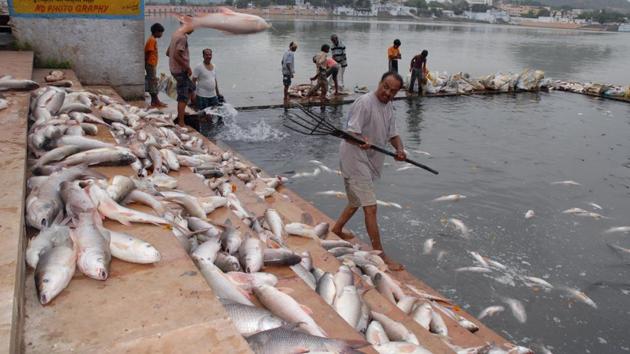
Volunteers remove dead fish from the Pushkar lake in Rajasthan. Water supply in India has two principal sources namely water from rivers and groundwater. However the rivers and lakes are shrinking because of pollution and industrialization. (Deepak Sharma / Ht photo)
5/8
 View Photos in a new improved layout
Updated on Jun 5, 2017 6:31 PM
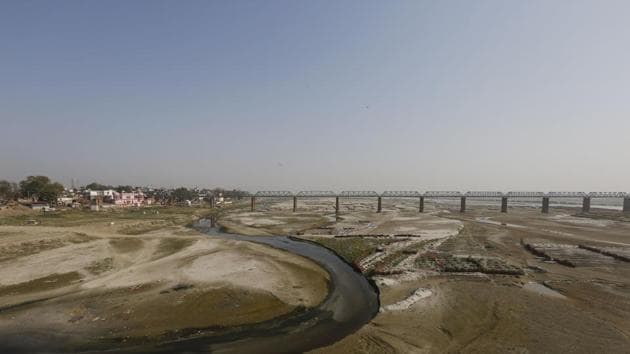
With climate change a reality, the country’s annual monsoon rains have become more erratic and traditional water reservoirs have shrunk.The situation is worse in the cities where water tables have plunged hundreds of feet leaving people entirely dependent on tankers which supply water at prohibitive prices. (Rajesh Kumar / AP)
6/8
 View Photos in a new improved layout
Updated on Jun 5, 2017 6:31 PM
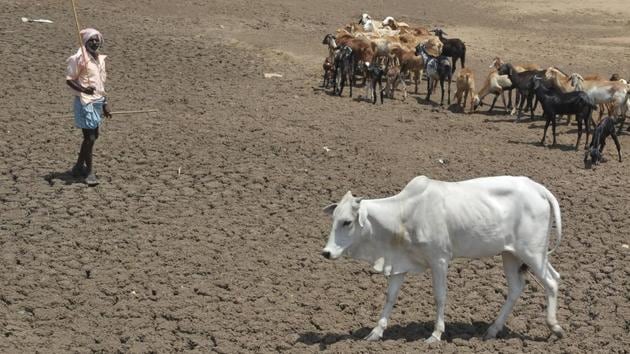
As rivers and streams run dry, villagers are forced to dig borewells and pump up increasingly polluted groundwater. But decades of extracting groundwater for their daily needs has led to a precipitous drop in the groundwater table levels across the country threatening environmental and human disaster. (Noan Seelam/AFP Photo)
7/8
 View Photos in a new improved layout
Updated on Jun 5, 2017 6:31 PM
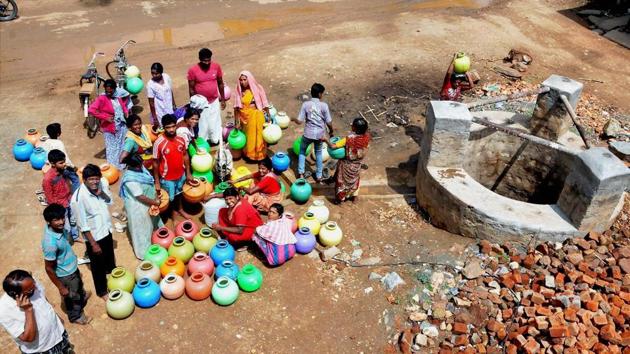
People gather around a well in a drought-hit in Lakya near Chikmagalur, Karnataka. (PTI)
8/8
 View Photos in a new improved layout
Updated on Jun 5, 2017 6:31 PM


