
 E-Paper



What does it take to become a NASA astronaut and how much does the space agency pay?
To become a NASA astronaut, qualified applicants must be graduates in a field of science, technology, engineering or mathematics.

 Prefer HTon Google


The top entry for a Google search on NASA jobs takes you to the US space agency’s official website, lit up with the promise of galaxies far, far away.
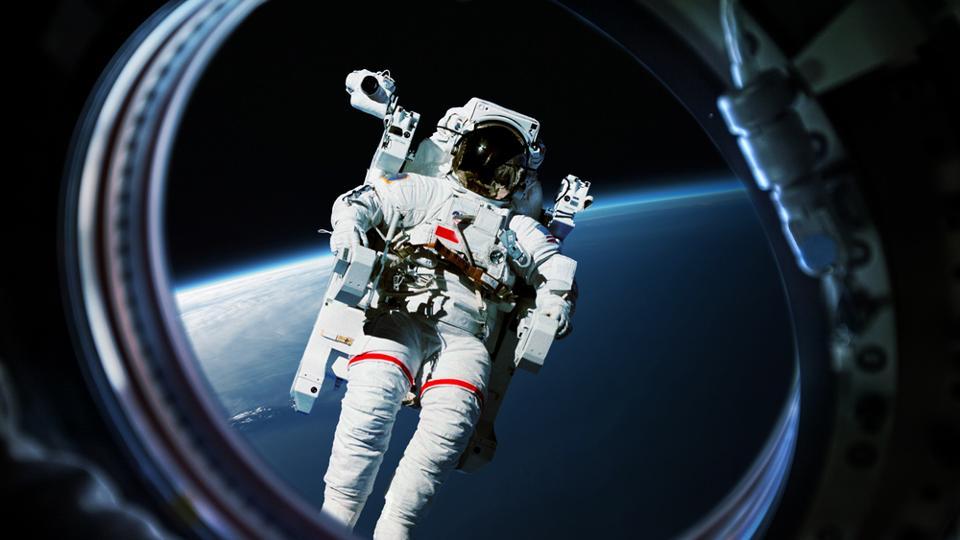
“Our work ranges from the everyday operating of our facilities, to exploring furthest limits of the past, present, and future,” reads a description.
The space agency said it received a record 18,300 entries when it invited applications for a new class of astronaut trainees last year. Only 12 were selected and reported for training last month, reported CNN Money on Sunday.
How candidates are chosen
To become a NASA astronaut, applicants must be graduates in a field of science, technology, engineering or mathematics. Post graduation and work experience or at least 1,000 hours clocked in flying jets are necessary parameters for selection.
“Astronaut candidates must also have skills in leadership, teamwork and communications,” NASA says on its website.
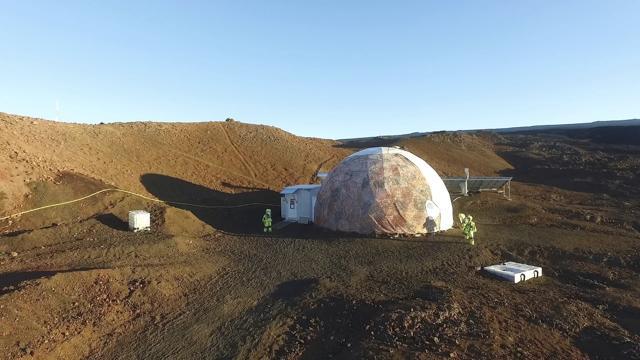
About 120 candidates shortlisted are called to the Johnson Space Center in Houston, Texas, for the second round: physical fitness tests. They must have good eyesight, height between 5 feet 2 inches and 6 feet 3 inches and stable blood pressure, which shouldn’t be more than 140/90 in a sitting position.
Then, the applicants have to pass an endurance test and a string of interviews.
If you think you’re the right pick, here ‘s a list of job openings at NASA currently.
Training to be an astronaut
The final astronauts selected must complete a two-year training period. The new astronauts have more at stake as the space agency plans to fly farther into space and reach Mars.
“It’s like getting a full four-year college degree compressed into two years,” The NASA’s oldest active astronaut (62) Donald Pettit tells CNN Money. “There are no summer breaks.”
Some of the exercises astronauts are asked to complete in their training include swimming and treading water for 10 minutes while wearing a flight suit, going scuba -- as underwater environment is similar to space vacuum -- and riding in jets to experience zero gravity, etc.
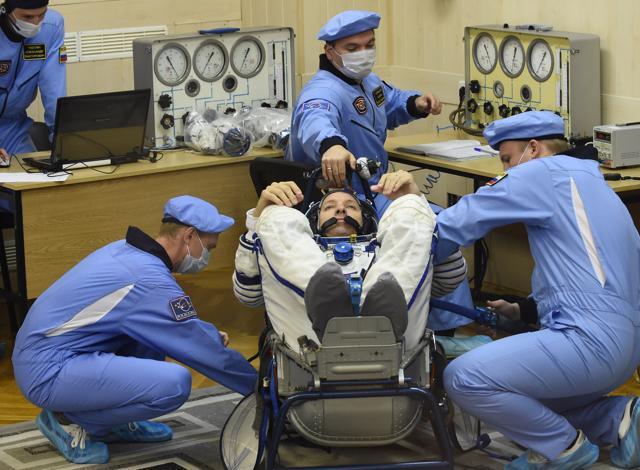
Getting comfortable in space suits is important. “They’re hot and uncomfortable, and when you get out of them, you kind of slither out of them like a worm... like a slimy creature that just crawled out of a chrysalis,” Pettit says.
Astronauts also have to learn to speak Russian because space agency Roscosmos assists Nasa in space launches and travelling to and back from the International Space Station.
Wait, it still isn’t over. Astronauts are further trained on the basis of what they’ll be doing in space. Sample this: astronauts are trained for years before a six-month mission to the ISS.
Pay and benefits
The space agency’s annual salaries for astronauts who are first starting out are between $66,026 (more than Rs 42 lakh) and $144,566 (more than Rs 92 lakh) per year.
“The grade is determined in accordance with each individual’s academic achievements and experience,” says NASA.
“Nobody gets rich,” says Pettit, because the agency restricts astronauts from making financial gains. For example, they can’t earn royalties if they’ve written books and they can’t accept gifts from aerospace companies.
NASA is ranked the first in best places to work among the 18 US federal government agencies, including the Department of State (4) and the Intelligence Community (3).
But perhaps, more importantly, each day you will help make “history” and decide the future, says NASA.


