E-Paper



After ‘smart’ hat-trick, Madhya Pradesh drops ‘clean’ catch
Madhya Pradesh, which made a triple entry in the smart city list, missed the top 10 cleanest cities’ list which was announced by the union government on Monday.


Madhya Pradesh, which made a triple entry in the smart city list, missed the top 10 cleanest cities’ list which was announced by the union government on Monday.
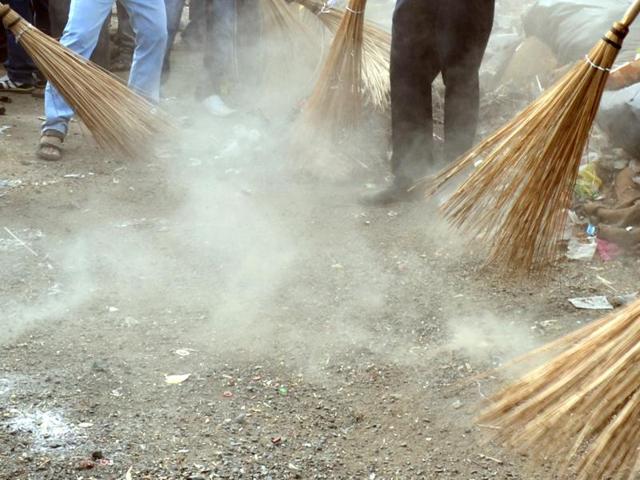
Bhopal stood 21st out of 73 cities in the urban development ministry’s Swachh Survekshan survey which was conducted to assess the impact of the Swachh Bharat Mission . However, the residents said the state capital had done fairly well this year as compared to the last year when it had ranked 106th out of 476 cities in the clean run. Among the capital cities too, Bhopal has improved its ranking from 16th to 8th, they said.
Another city of MP which went up the list is Gwalior which ranked 30th in the list this year against 400th last year. Indore secured 25th rank.
However, the survey found Jabalpur as one of the filthiest cities with 63rd ranking. In the last year’s survey, MP’s three cities- Damoh, Bhind and Neemuch had figured in the list of 10 dirtiest cities of India.
The survey was conducted on various parameters, which included maintaining cleanliness and sanitation in the city, planning, communication, waste management from collection to disposal and sanitation i.e., no of household and public toilets.
The survey was held in three parts- Independent observer, citizen’s feedback and service level status. In open defecation free and integrated solid waste management and communication activity planning, Gwalior scored excellent marks followed by Bhopal and Indore.
In the absence of trenching ground, the capital city scored only 10 marks out of 200 in processing and disposal of solid waste. Bhopal also lagged behind on another parameter i.e., construction of individual household toilets and public toilets. Urban development and environment commissioner Vivek Aggrawal said, “There is improvement in the ranking of the cities but still it can improve further. By the end of 2016, people will see significant improvement in the sanitation of the various cities.”