E-Paper



Battling poverty dismissed soldier vows to end Sahayak system
“It is a colonial legacy, which even Great Britain has discarded. I am also demanding action against those officers who were forcing the Sahayaks to do menial tasks like polishing boots, walking their dogs etc, which my video exposed,” said the soldier.

 Prefer HTon Google


Retired Lance Naik Yagya Pratap Singh (36), who was court marshaled and sent to jail for six months after his video showing the menial tasks Army Sahayaks had to perform went viral last January, is back home from jail in his village in Rewa district of Madhya Pradesh, and his fighting spirit is intact.
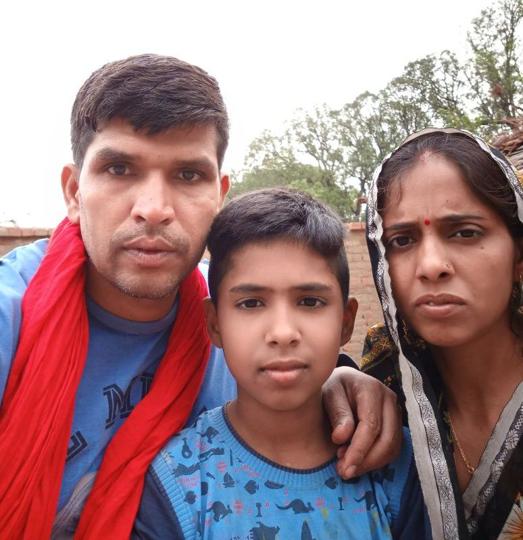
“My fight against the Sahayak system in Army will continue. It is a colonial legacy, which even Great Britain has discarded. I am also demanding action against those officers who were forcing the Sahayaks to do menial tasks like polishing boots, walking their dogs etc, which my video exposed. It is against the rules. I have all the necessary documents which I gathered under RTI, ” Singh said.
Sahayaks are soldiers who are assigned to officers and junior commissioned officer for supporting them in discharging their duties, but often they end up doing menial household tasks.
Singh said he had joined the Army to fight for the country, not for performing menial tasks.
“My fight began when I raised the issue of misusing of Sahayaks with my seniors. I was ignored. In August 2016, I wrote to the Prime Minister and President, but my seniors found out and started punishing me. My family kept asking me why I was fighting the Sahayak system so I sent the video to them showing the humiliation that we had to undergo every day. My family made the video viral which infuriated my superiors.”
“The authorities initiated court marshal proceedings. The officers then tried to declare me mentally unstable and sent me to a mental asylum in Bareilly, but their strategy failed and I got a fitness certificate after spending nine days there. But they kept me under observation, and due to constant mental pressure, I opted for voluntary retirement in November 2017. However, they continued with the court marshal proceedings and I was found guilty and sentenced to six months jail term which ended on June 8.”
Singh was court marshaled and dismissed from the service under section 63 (for violating good order and military discipline) and 41 (2) (disobeying a lawful command given by his superiors) of the Army Act on the basis of three charges- communicating with media, holding hunger strike and for uploading video of himself and other army personnel in the uniform and disclosing the identity and ranks of Army personnel on social media by using internet, which made him accused.
He said, “Neither I talked to the media nor I uploaded any video. My family did it after I was taken into custody. They don’t know the Army rule. But whatever they said was absolutely correct.”
“The past two years have been tough for me. I had to come back to my village with a humiliation of being court marshaled. But sometimes I feel that it would have been better had I become a martyr,” he added.
Singh is facing financial difficulties. He has only an acre and half of land in village Kothi, Raghurajgarh to survive on.
His wife Richa Singh, who sat on hunger strike in January 2017 after Yagya Pratap Singh was taken into custody, said, “We are passing through a very bad phase. It is getting hard to even submit the school fees of my only son, but I know my husband is fighting for justice and I am with him.”
When HT contacted Rajput Regiment Centre, Fatehgarh brigadier Tekchand Malhotra, he didn’t comment.