
 E-Paper



Betrayal, caste haunt village where Paan Singh Tomar was killed
Paan Singh – portrayed by Irrfan Khan in the Bollywood adaptation – was gunned down along with 10 other gang-members on October 1, 1981. He was said to be around 48 years of age when he was killed.

 Prefer HTon Google


The fate of Rathiyan Ka Pura was sealed on an October morning in 1981 when a hail of police bullets brought down Paan Singh Tomar – a retired Army subedar, a champion athlete, a dacoit for many, rebel to others and the subject of a hit Bollywood film.
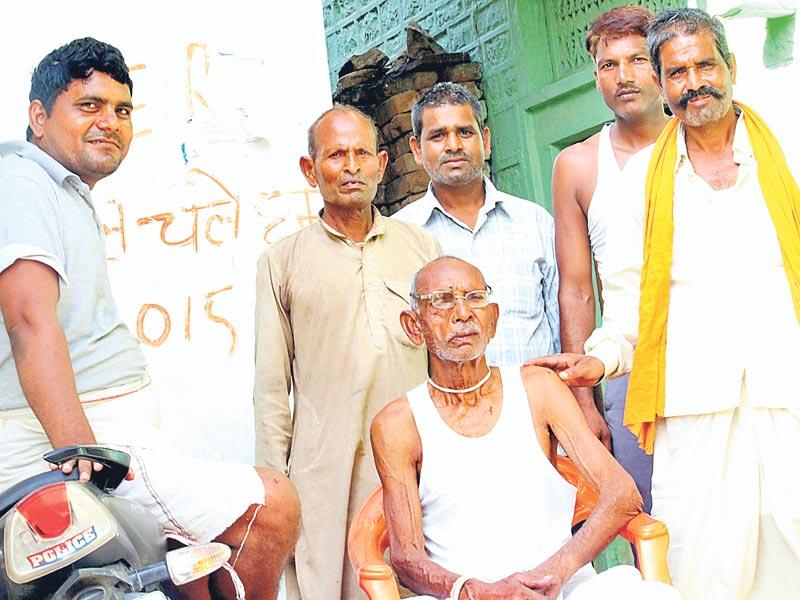
Thirty-four years after the nondescript village was first thrust into the spotlight, Rathiyan Ka Pura is still living with the unflattering tag of ‘gaddaron ka gaon’, village of traitors, given by the upper caste Thakur community.
It is a price the Madhya Pradesh village paid after one man gathered courage and tipped off police about Paan Singh, also a Thakur, for his alleged atrocities on Dalits.
Paan Singh – portrayed by Irrfan Khan in the Bollywood adaptation – was gunned down along with 10 other gang-members on October 1, 1981. He was said to be around 48 years of age when he was killed.
“Us ghatna ke baad kisi Thakur ne humse kabhi baat nahi ki (after the incident no Thakur has talked to us),” Motiram Jatav, the man who gave the tip-off to police, told Hindustan Times.
A Dalit village of around 400 people, Rathiyan Ka Pura is in Bhind district, nearly 500km from capital Bhopal.
Paan Singh hailed from Bhidausa village in Morena district, around 25km from Rathiyan Ka Pura and close to the ravines of Chambal, once the breeding ground of some of the most dreaded dacoits in India.
Villagers said several gangs were active at that time including the Mausi Gang, Putali Gang and the band of Gabbar Singh Gurjar, who is said to have inspired the cult movie Sholay.
This is also a place where the caste divide runs deep, like in many other places across the country.
Paan Singh, a steeplechase champion who represented India for many years, was said to have picked up the gun after his family faced alleged oppression and violence. Though he was a dacoit in police records, many still call him a ‘baagi’ or a rebel.
However, Motiram, 78, said he had no regrets for leading Paan Singh to death, Instead, he said he did what was needed to protect his community.
“Most of the gangs active at that time used to stay in our village but they never abducted anyone from our community. But Paan Singh started targeting our people… that is why I and some other people of our village went against him,” Motiram added.
The government rewarded Motiram with Rs 10,000 in cash, a plot of land three rifles besides jobs to two of his sons in the police department.
But many others said the incident had changed their lives.
“It is true that most of the upper caste people of the nearby areas started calling us ‘gaddar’ and this is the reason we avoid mentioning our village’s name,” said Mayaram, another villager who was in his early thirties when Paan Singh was killed.
People of the upper caste, however, said they will never forgive the villagers for the betrayal.
“Yes, they are traitors in my view. The tip-off killed Tomar, which is a great loss to our country and my community. This is breach of trust and no one will tolerate this act,” said Karan Singh, a resident of nearby Gohad.
-kW0H-U20214218012MgB-250x250%40HT-Web.jpg)


