E-Paper



Now you can do a diploma course on how to catch, identify snakes
There is now a course that can teach you how to catch, handle and identify poisonous and non- poisonous snakes. A first of its kind certificate and diploma course on snakes is being started by the Snake Research Organization (SRO) in Ujjain.

 Prefer HTon Google


There is now a course that can teach you how to catch, handle and identify poisonous and non- poisonous snakes. A first of its kind certificate and diploma course on snakes is being started by the Snake Research Organization (SRO) in Ujjain.

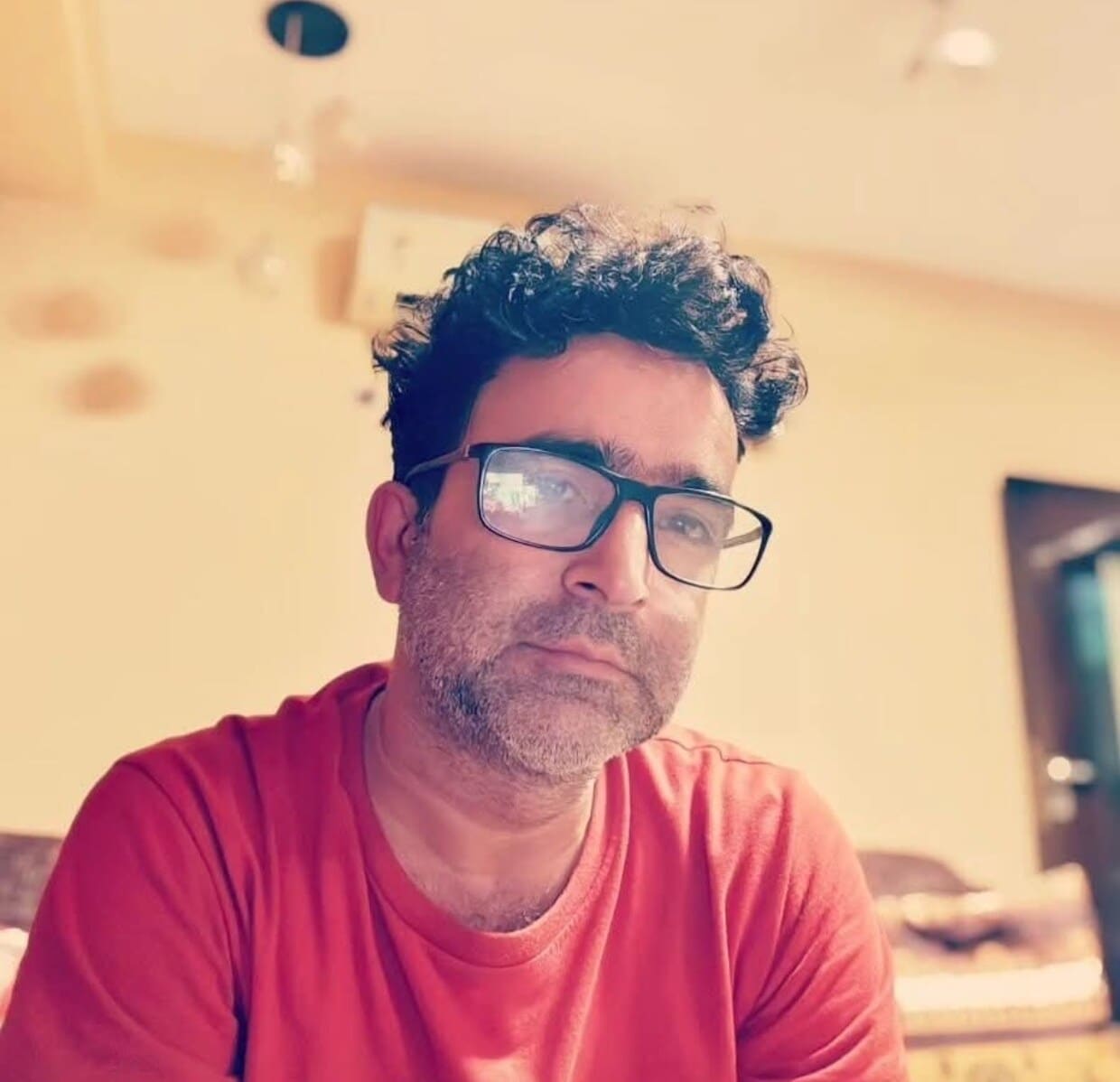
The course has been designed by the founder of the Snake Research Organisation, Mukesh Ingle, a herpetologist who has authored seven books on reptiles and amphibians and conducted several research projects in central India.
Speaking to HT, Ingle said the month-long certificate course and six month diploma will be open for both, academics and non-academics from August this year.
“In these courses we will not only teach the participants how to catch, handle and identify snakes but also educate them about their biology, distribution, habits, and issues related to their conservation. Many people have shown interest in these courses and I am hopeful the courses will go a long way in the conservation of the snakes, dispelling various snake related myths and deaths due to snake bites,” he said, adding, “Many noted herpetologists of India like Dr SK Dutta will be the guest faculty for these courses.”
Ingle said these courses will also help those students who want to make reptile research or conservation their career.
“In the diploma course, we will take the participants to the field where our various research projects are going on. This will help them to understand the ground reality related to snakes. Searching, tracking, finding and catching a snake for study will turn out to be a great learning experience for the participants,” he said.
Ingle emphasised that herpetology as a scientific study and as a hobby can have a positive impact on the conservation of the threatened reptile and amphibian species in the state.
Ingle said he had been working for the conservation of reptiles and amphibians of central India for over 20 years. “Through these courses, besides educating people about snakes, I am trying to protect and conserve the reptiles by telling people how to approach snakes and not kill them due to fear,” he added.
Ingle in his survey ‘Inventorization of Herpetofaunal Diversity of Madhya Pradesh’, has recorded 79 species of reptiles and 19 species of amphibians. Among reptiles, he recorded 39 species of snakes, 27 species of lizards, 11 species of turtles and tortoises and one species each of Crocodile and Gharial.
Ingle has also prepared a first of its kind web-based database on various kinds of reptiles found in MP under a research project sponsored by Madhya Pradesh State Biodiversity Board (MPSBB).