E-Paper



Saving Mowgli’s wolves in the jungles of Seoni
In Rudyard Kipling’s book, Mowgli was raised in Seoni jungles by a pack of wolves, shielding him from Sherekhan the tiger. But in Madhya Pradesh’s jungles, a Khan is on a mission to protect the wolves.


In Rudyard Kipling’s book, Mowgli was raised in Seoni jungles by a pack of wolves, shielding him from Sherekhan the tiger. But in Madhya Pradesh’s jungles, a Khan is on a mission to protect the wolves.
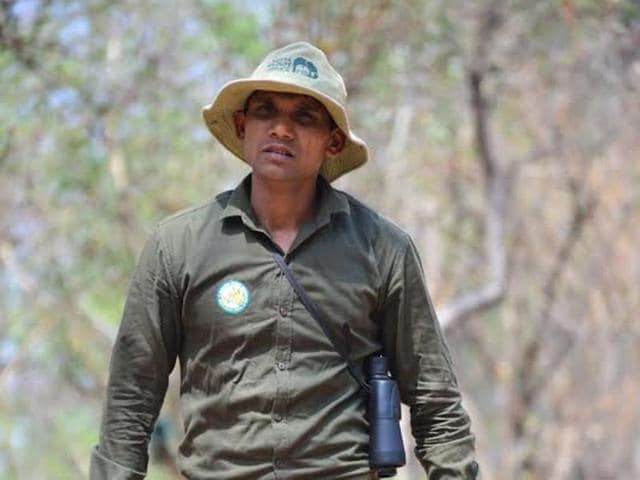
Meet 27-year-old Imran Khan of Seoni district. He is famous among locals and wildlife experts as the saviour of wolves. In fact, his passion has made him a self-taught wildlife conservationist. Following wolves in the forests of Seoni ( also known as Mowgli home), studying their movement, habits, mating patterns, pack hierarchy and inter-pack behaviour, have made him a much-sought after guy even for the wildlife officials.
Chief conservator of forests (CCF) Seoni Sanjay Shukla said that he went a couple of times with Imran Khan to see wolves, whose sighting had become rare these days. He said there were some wolf packs in Khawasa area of Pench, where chances of their sighting was comparatively better. In 2014, forest department started a wolf track night safari in the Khawasa area of Pench’s buffer zone to create more awareness about this carnivore.
Shukla said Indian wolf is listed in Schedule 1 of the Wildlife (Protection) Act of 1972, which accords it the highest protection legally. Unlike larger European wolves, the Indian wolf, Canis lupus pallipes is a small sub-species of the grey wolf, which is facing many threats—like being hunted for fur and skins. “This has brought down their numbers. Conservative surveys say their population has come down to 3,000 across the country”, he said.
Khan said, “Most people generally worry about protection of tigers. But, I feel a special connection with them. I feel I am a wolf-boy in spirit. When I come across them during my forest wanderings and a look into their eyes, I feel a mysterious connection. If wolves saved, raised and protected Mowgli, a human child, it is now our turn to do so for wolves. They need protection and our kind attention, our love.”
Imran Khan is now working with the wildlife officials and local youths on wolves’ protection. “Wolves often come into confrontation with villagers in Pench’s buffer zone.” However, he said what impressed him most was their hunting habit. “Some wolves keep guard outside a locality or a house and one wolf enters the shelter and pounces on a goat and swiftly takes it away, This is intelligence,” he said, adding, “Many wolves die of poisoning in water sources … unfortunately a wolf death doesn’t mean much to people or the officials these days.”
But, he wants to change this attitude. He has been giving lectures in schools across the district to spread awareness about saving wolves. “In my lectures, I share stories of my following the wolf packs and how they behave when confronted. This keeps children interested,” he said.