
 E-Paper



Are we devouring the planet?
A look at a few books that point out that even if greenhouse gases from all other sectors are eliminated, food production alone will increase global temp

 Prefer HTon Google


Even if the world weans itself from fossil fuels, the climate story will continue to overheat our atmosphere. The transition towards quitting fossil fuels may have begun with the net-zero commitments of nations and corporations but emissions of greenhouse gases are unlikely to be curtailed anytime soon. The climate story will continue unabated because sadly, food production is as big a climate challenge as the extraction of oil. Even if greenhouse gases from every other sector are eliminated today, food production alone would account for emissions to increase global temperature by 2°C before 2100.
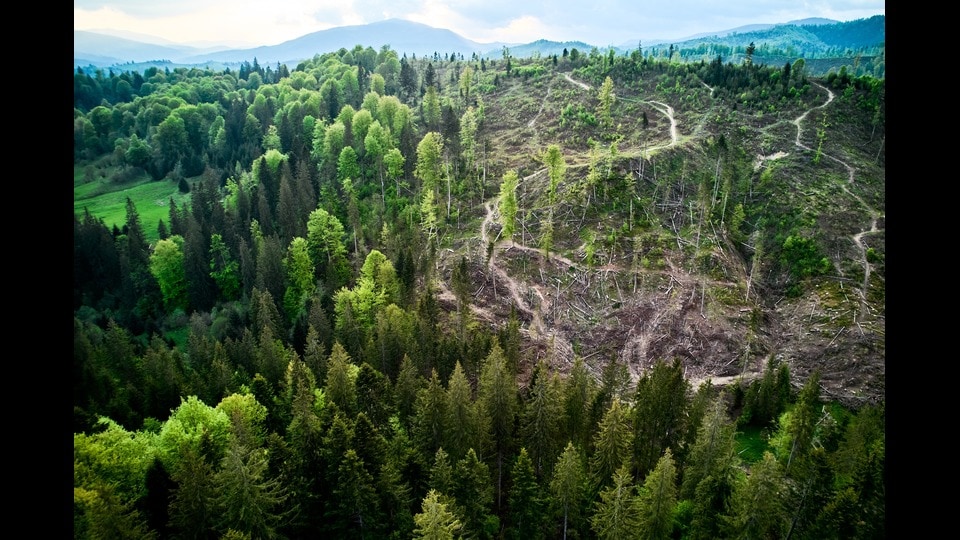
Climate change impacts are already making the problem hard to fix. The earth’s twin abilities to produce food and to store carbon are at cross purposes. Producing more food means more land to be cleared for cultivation at the cost of losing natural carbon storehouses. Studies project that total demand for more farmland could amount to 10 million square kilometres by 2050. That’s equivalent to the size of Canada. In the context of the climate, this will amount to a colossal waste, as land is the vast reservoir of carbon – holding three times as much as the atmosphere and four times as much as above-ground vegetation. If the Paris climate summit target has to be met, the world will need to eliminate three-fourths of food-related emissions by 2050. But the challenge isn’t really about preserving land to sequester emissions. We are now facing the ‘eating-the-earth’ problem.
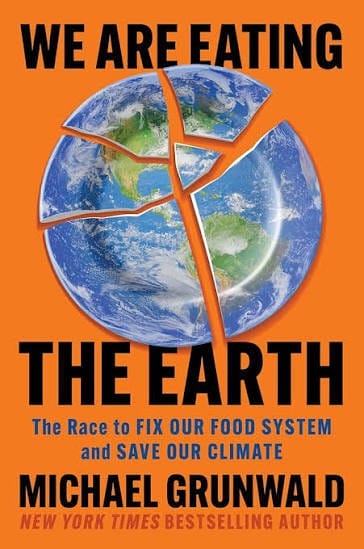
It is now clear that the world has to get more out of the earth without using more of the earth. As Mark Twain had remarked about land, “…they’re not making it anymore”. Michael Grunwald’s We Are Eating the Earth points out that the land problem is mostly an agriculture problem. The land used to live, learn, work, and play is just a fraction of the land that is used to cultivate food. The farming sprawl is 30 times that of the urban one. The size of Asia plus Europe has already been converted into farmland. The issue at the core is the expanding agricultural footprints which is at enormous cost to our best defences against climate change. That would account for more forests and other natural carbon storehouses.
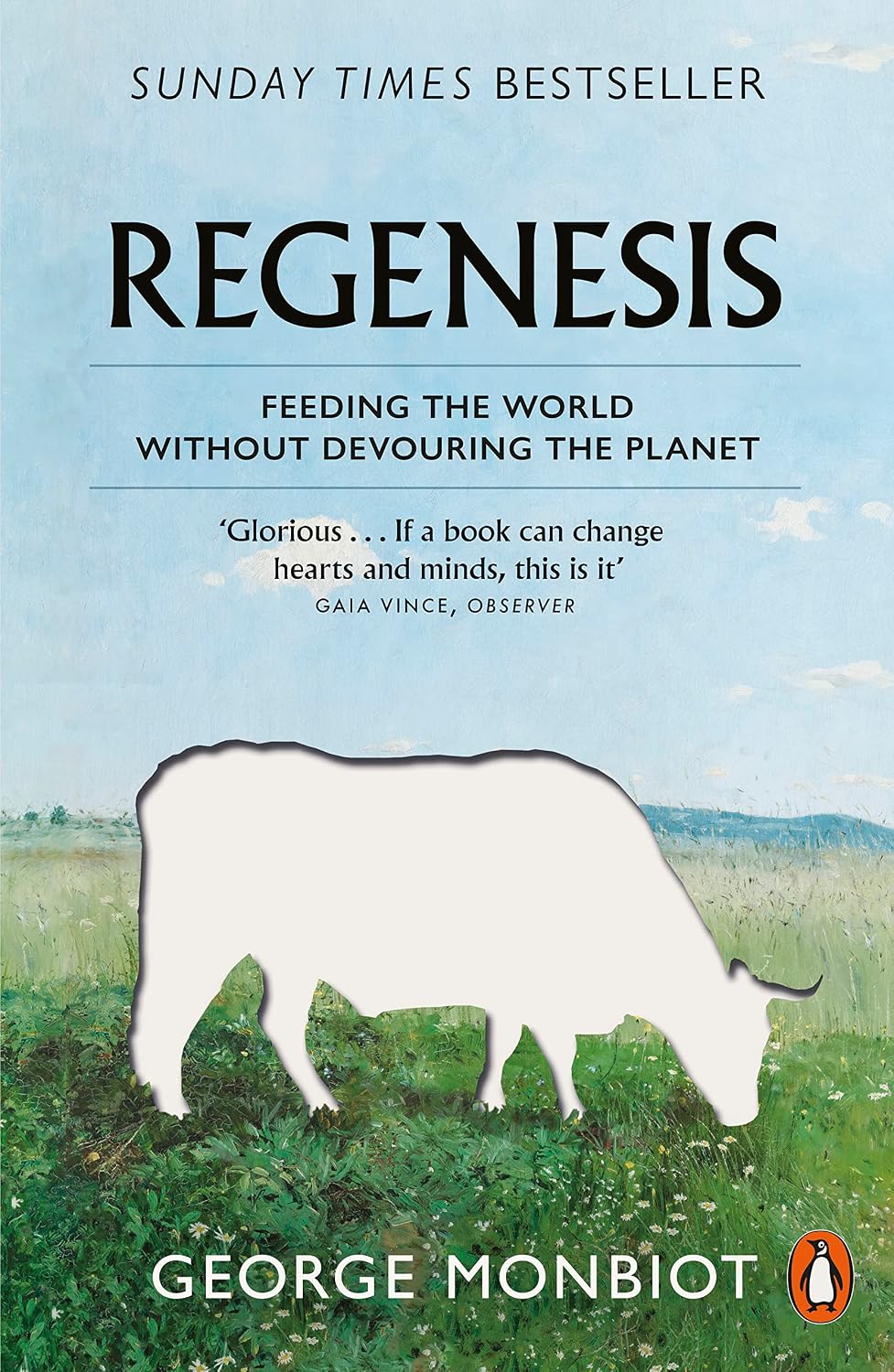
The food system itself is not climate friendly. In fact, it’s probably the most destructive. Every piece of land needs to be valued either as a potential food source or a potential carbon sink. Either way, ‘carbon’ is at the centre. According to Regenesis by George Monbiot, to return atmospheric carbon to pre-industrial levels of 1750, soils would need to absorb 680 billion tonnes. However, the sucking up of carbon isn’t a linear phenomenon and much still remains to be known. What could be done in theory is not the same as what can be done in practice. To addess the uncertainty, the ‘Four Per Thousand’ global campaign has been launched to increase the carbon content uniformly in farm soils by 0.4 percent. While tropical and temperate soils significantly vary in their carbon sucking capacity, in theory it can help trap 89 percent of agricultural emissions.
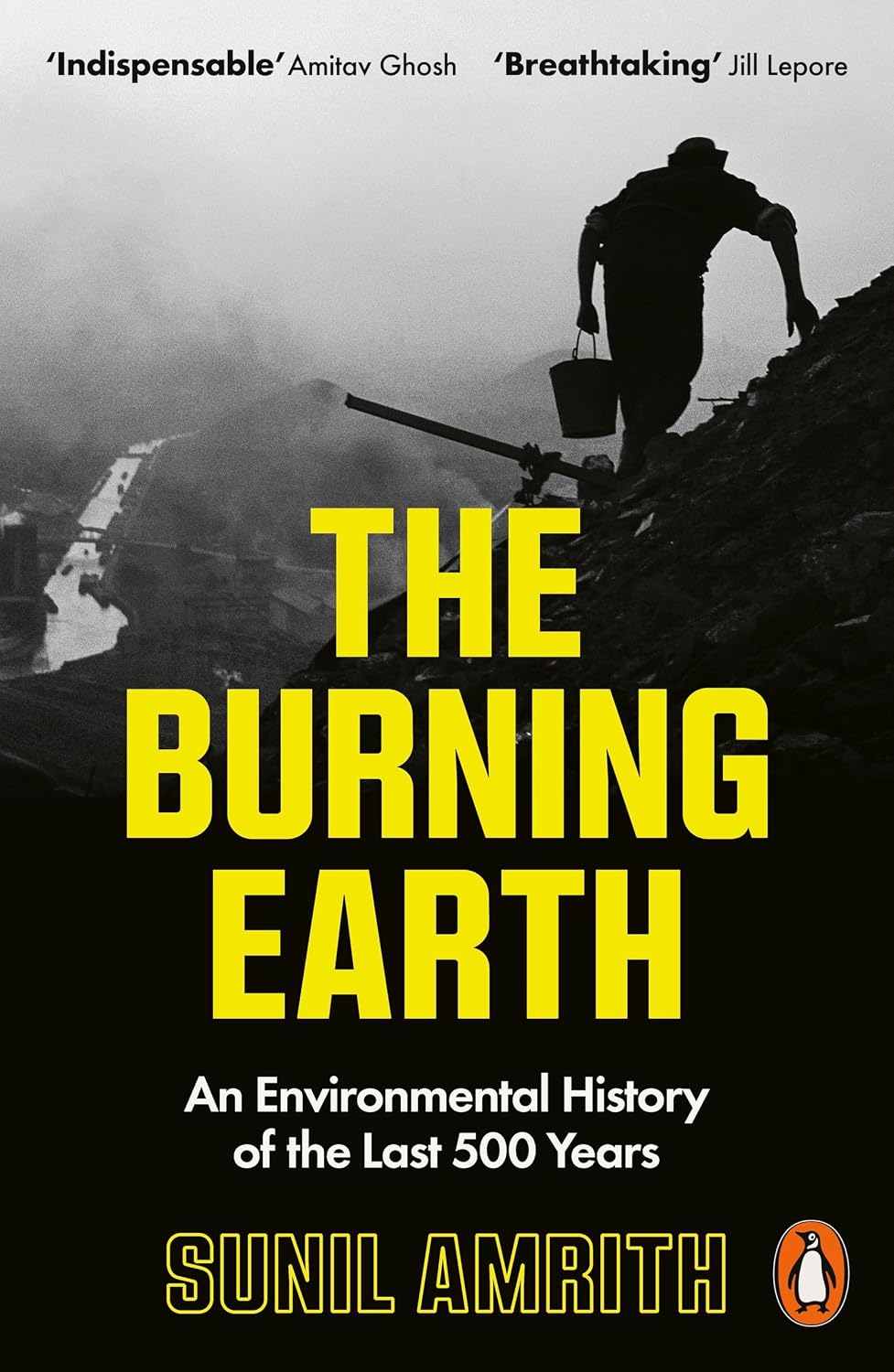
So far, fossil fuels have been viewed as the biggest problem while the eating-the-earth phenomenon remains under-publicized and little understood. It is critical is to learn what went wrong when and how, before solutions can be prescribed. According to The Burning Earth by Sunil Amrith, the human destruction of nature began a long time before the industrial revolution. In England, back in 1208 CE, King Henry III’s Charter of Forests became the written law that acknowledged human freedom to exploit natural resources. Till the advent of industrial revolution, the benign climate allowed both the ceaseless clearing of land, expansion of cultivation, and the building of cities. Not much has changed since then, though the climate has.
While quitting fossil fuels is part of the solution, the challenge ahead is to preserve ecosystems that sequester carbon. Large scale rearing of cattle for meat is particularly harmful. A single cow emits 50 times more greenhouse gases than coal. Still, given that there are multiple reasons contributing to climate change, there cannot be one solution to fix the problem. While changing the production and consumption patterns of millions of people will be extremely complex, only systemic changes can stop this planet from frying.
While the farms that feed the world might not consume the entire earth, they do render two-fifths of our planet’s land vulnerable. The challenging task ahead is to produce more food per acre alongside restoring unproductive lands to nature. It is true that each of us is eating the earth but how we continue to eat is perhaps what matters.
Sudhirendar Sharma is writer, researcher and academic.


