
 E-Paper



HT Picks; New Reads
This week’s pick includes a book on how feeling seen, needed, and valued is essential for our well being, a sumptuous volume on early photography


Finding meaning
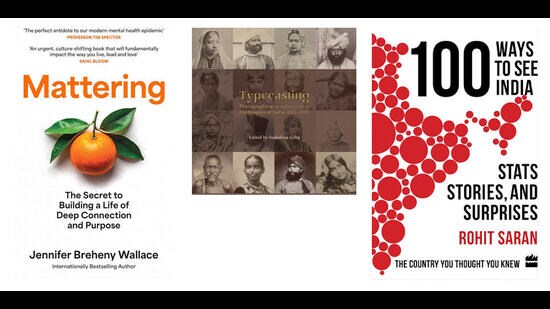
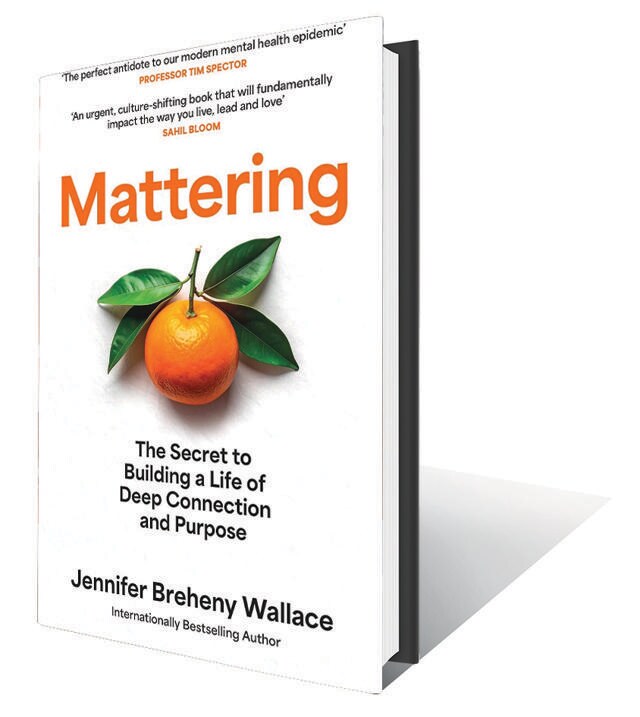
In a world where loneliness, burnout, and disconnection have reached crisis levels, Jennifer Breheny Wallace offers a transformative solution: mattering. Through vivid storytelling, Mattering reveals how feeling seen, needed, and valued isn’t just a nice-to-have ― it’s essential for our wellbeing and society’s future.
Filled with stories of individuals who have discovered the power of mattering, from the story of a fire chief who re-energized his emotionally exhausted team by helping them see their long-term impact, to a woman who transformed her grief into a movement helping thousands rebuild their lives, Wallace shows how mattering can be cultivated in every sphere of life. She demonstrates that when people feel they truly matter ― that their presence and contributions are noticed, needed, and missed when they aren’t there ― everything changes. Productivity soars, relationships deepen, and communities strengthen.
Drawing on compelling research and intimate portraits of people who’ve discovered the power of mattering, Wallace provides a practical blueprint for creating lives of deeper meaning and connection. A timely book offers both hope and concrete solutions for our modern crisis of disconnection. Mattering is a revolutionary framework for rebuilding the connections that make life meaningful.*
Shooting a people
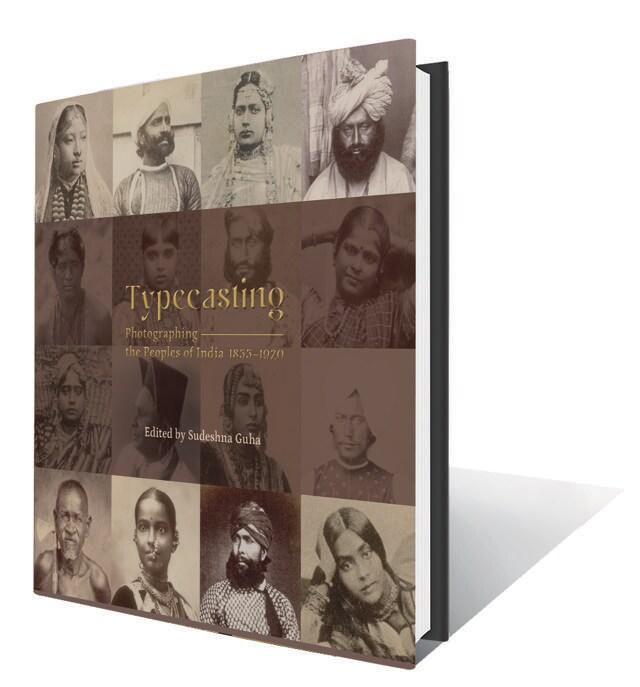
With a foreword by the pioneering scholar Christopher Pinney, Typecasting;Photographing the Peoples of India 1855-1920 edited by Sudeshna Guha is a sumptuous volume with essays by academics Ranu Roychoudhuri and Suryanandini Narain and Omar Khan, author and researcher of early photography and ephemera of the Indian subcontinent. Guha’s piece which covers the development of ethnographic photography in India, dissects the impact of the creation of colonial typologies, while Roychoudhuri’s essay focuses on the People of India volumes and the role played by the letterpress captions, the typologies it created and the reception of the volumes after they were published. Narain reflects on the ethnographic portraits of colonial households, focusing on the colonial biases which accompanied the documentation of these domestic lifestyles. Khan’s essay on Nautch girls addresses the dissemination — through postcards – of images of Indian female beauty.*
Portrait of the nation through datasets
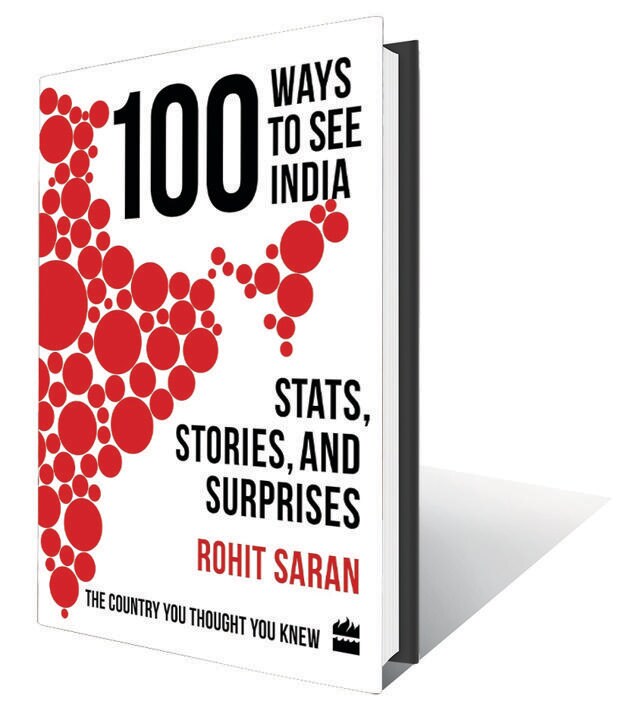
In which Indian city are the most number of languages spoken? Where will the next 100 babies in India be born? Why do only 3% of adult Indians pay income tax? India and its intricacies could be explained endlessly, and it would still amaze you. The bewildering diversity of its people, cultures, food, languages, and just about everything else is hard to grasp at times. For instance, every Indian can fit in Kerala if we all lived as densely as the people in northeast Delhi do; 56 mother tongues – and they are all ‘Hindi’; almost nobody is unemployed in India after the age of 29. These and other facts behind the headlines, and the questions they raise about how we live, work, and govern, are presented as accessible visuals in this richly informative book. 100 Ways to See India: Stats, Stories, and Surprises offers a portrait of India more than seven decades after Independence: where we stand, and where the trends suggest we may be headed.*
*All copy from book flap.


