
 E-Paper



Review: India vs UK: The Story of an Unprecedented Diplomatic Win by Syed Akbaruddin
The riveting story of how the Indian UN team got the International Court of Justice to rule against Pakistan in the Kulbhushan Jadhav case

 Prefer HTon Google


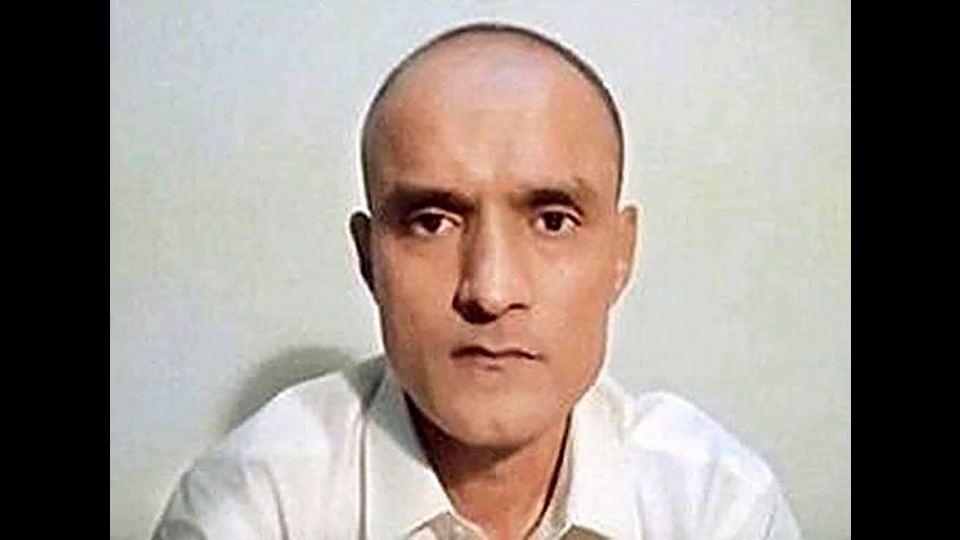
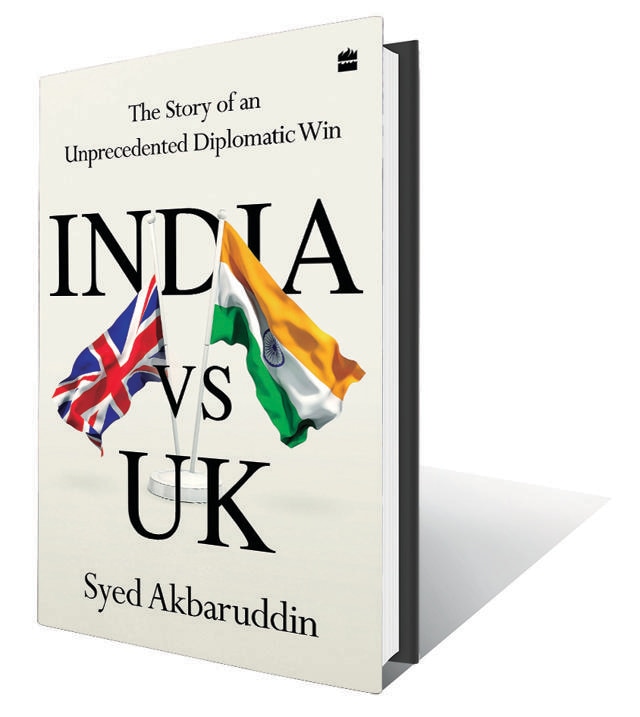
In the spring of 2017, to stop Pakistan from executing abducted naval officer Kulbhushan Jadhav, the Indian government files a case with the International Court of Justice (ICJ) accusing Pakistan of denying him consular access. As India had hoped, the court immediately orders a stay on the execution. The next step: ensure the final ruling goes in India’s favour. The ICJ, long treated as “an institution in a faraway land with little direct relevance to key Indian interests,” is suddenly India’s top diplomatic priority.
And that poses a problem. New Delhi has not lobbied for a new term of the court’s lone Indian judge, targeting other United Nations positions. Jadhav turns all this on its head. India’s UN ambassador, Syed Akbaruddin, is ordered to launch a last-minute campaign to get the Indian judge re-elected at a time New Delhi has already exhausted its diplomatic capital securing two other UN seats.
There are 15 judgeships up for grabs. By tradition, five are allotted to the Security Council’s permanent members. The selection process requires a candidate to be lead vote-getter in both the Security Council and the General Assembly in a series of simultaneous ballots. All the other candidates have been lining up votes for a full year before India decides to throw its wig into the ring.
The task looks impossible. A tally of support in August, three months before voting, indicates India has barely a third of the votes needed. Other candidates have sewn up big voting blocs like the Francophone speakers, the Arab group, and so on. Only the Indian judge “lacks the support of a cohesive group.” Many in New Delhi are sceptical. One minister reprimands Akbaruddin for putting “the nation’s prestige at stake in such a risky venture.” A veteran diplomat asks, “What is your exit strategy from this disaster?” The description of the research, ingenuity, strategizing and endless face-to-face networking used by the Indian UN team to slowly convert a quixotic charge into a decent chance is a masterclass in diplomacy and an exemplary piece of storytelling.
For most Indians, their foreign policy is about interactions with two dozen countries. However, 97 UN member-states are countries with less than 10 million people and, at the time, India did not even have embassies in 75 of them. There is much in the book about how UN members beg, steal and borrow to line up votes or win support. Don’t want the Israelis to vote? Ensure ballots are cast on Passover. Never heard of the IBSA Fund? Well, it proved crucial in winning over small developed countries.
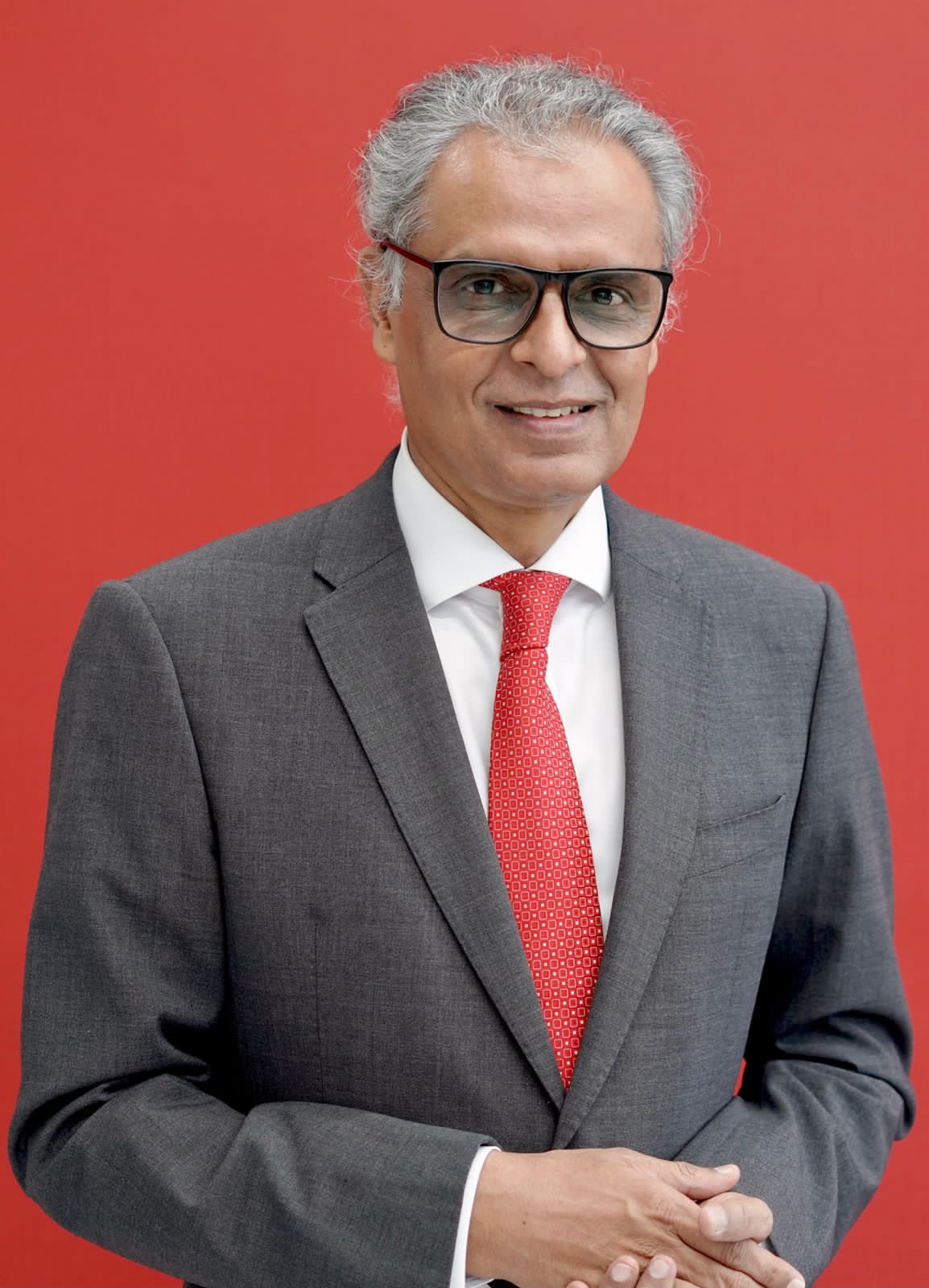
After several rounds of voting, India finds itself in an unprecedented position. Not only are two incumbent judges facing off, the Indian candidate is taking on a rival from Britain – in other words, against a permanent member who is supposedly guaranteed an ICJ seat. Entering the homestretch, India secures a solid majority in the General Assembly but falls short in the Security Council. Britain has the reverse condition. Britain flies in ministers and senior officials for last minute lobbying. Prime ministers and foreign ministers work the phones. Small twists help. US diplomats at the UN, out of Permanent-Five-solidarity, lobby for Britain until Akbaruddin reaches out to the Punjabi-origin US Ambassador to the UN, Nikki Haley, who immediately orders her team to stand down.
London threatens to call a Joint Conference which would eviscerate India’s General Assembly majority, offers to “cut a deal” and then pushes for a delayed vote, all of which Akbaruddin fends off. “It is also no longer a fight that we can walk away from, or afford to lose.” In the end, Britain throws in the tile. Seven months later, with only one dissenting vote, the ICJ rules against Pakistan in the Jadhav case. More telling, during a post mortem before the British parliament a minister underlines the difficulty in running against an emerging power and says, “In the final run-off, it was very much about how people perceived India.”


