
 E-Paper



Review: Shillong Times by Nilanjan P Choudhury
A coming of age tale that is also a snapshot of life in the capital of the northeastern state of Meghalaya in the 1980s and 1990s


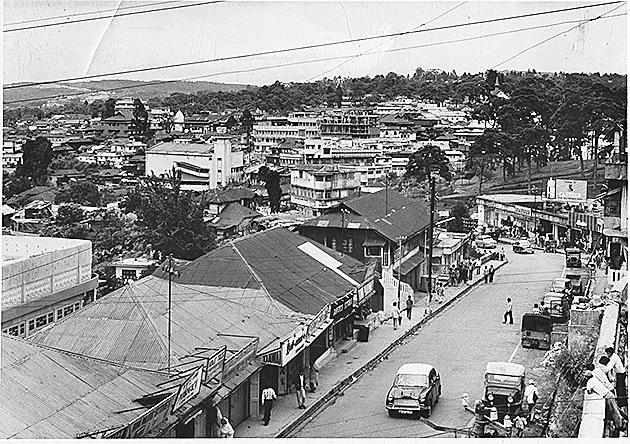
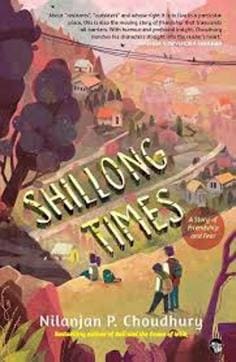
Reading the first few pages of Nilanjan Choudhury’s Shillong Times was like a punch to the gut, bringing back memories of the xenophobia and pogroms that afflicted Shillong through much of the 1980s and the early part of the following decade. The author begins his book with an account of his protagonist, the 14-year-old Bengali boy Debojit Dutta, trying to evade three local Khasi boys who intend to rough him up on his way home from school simply because he is Bengali.
Choudhury describes young Debu’s attempts to save his skin with a perfect mix of humour and menace, effortlessly capturing the tribal-non-tribal divide that still continues to haunt Shillong to this day, albeit in a relatively less virulent form than in the past, and thrusts us into this coming-of-age tale that is also a great snapshot of life in the capital of the northeastern state of Meghalaya in past decades.
Here, I have to state that Choudhury was my junior at school and that I cut my teeth as a journalist reporting on the periodic paroxysms of violence and pogroms aimed at Shillong’s non-tribal minorities. The author’s use of epithets such as dkhar (outsider or foreigner), used to refer to all non-tribals in those dark days, brought back the humiliation and disgust many of us felt when it was used against us – members of Bengali families that, like Debu’s grandfather, had settled in Shillong in the 1930s or even earlier.
Using just three key characters – Debu, the cloistered son of the quintessential Shillong Bengali couple with no exposure to rock’n’roll and the excesses that were so much a part of life in the Scotland of the East, Clint Eastwood Lyngdoh, the hard drinking Khasi youth with a troubled past who befriends Debu, and Audrey Pariat, the Khasi girl to whom Debu loses his heart in an era when such romances could spell big trouble – Choudhury helps explain the tribal-non-tribal divide and how it shaped relationships between members of the two sides.
Choudhury also exquisitely captures the angst of the Dutta couple, whose lives are centred round Shillong, and the dilemma of having to leave town for Calcutta, the only place nearby offering refuge to Bengalis like them, because of the systematic assault on their way of life by organisations such as the United Students Federation (a thinly disguised version of the Khasi Students Union). Despite connections to Calcutta in the form of language and culture, the Duttas are more at home in the pine-clad hills of Shillong and many like them who fled Meghalaya in those troubled days still yearn for their lost homes.

It could have been easy for Choudhury’s characters to become mere caricatures as he tried to distil the history, background and tangled politics of those times into this slim volume of less than 250 pages, but instead they emerge as living, breathing and likeable people one can relate to. Their fraught relationship offers insights into the delicate lines that had to be walked by tribals who forged lasting relationships with non-tribals, and also how many of those relationships were rent asunder by the xenophobia that gripped Shillong in those days.
Read more: Violence and belonging in Shillong
My only complaint about the book is the pat ending. But that’s a minor quibble, given that it is a ripping good yarn written with a deft touch. More than just a good read, this is an essential addition to the collection of anyone who wants to know more about the troubles faced by the non-tribal minorities of Shillong, many of whose lives were devastated and altered by those tumultuous times.


