
 E-Paper



Domestic air traffic growth falls to five-year low in January-July 2019
During the January to July 2018 period domestic air traffic grew by 21.79% as compared to the same period of the previous year, data from the Directorate General of Civil Aviation (DGCA) showed, while annual domestic traffic growth during the January to July 2017 period stood at 17.18%.

 Prefer HTon Google


Domestic air passenger traffic growth during the January to July 2019 period grew by a meagre 3.15% annually, its lowest in the last five years, in the wake of an overall economic slowdown in the country and grounding of Jet Airways (India Limited) .
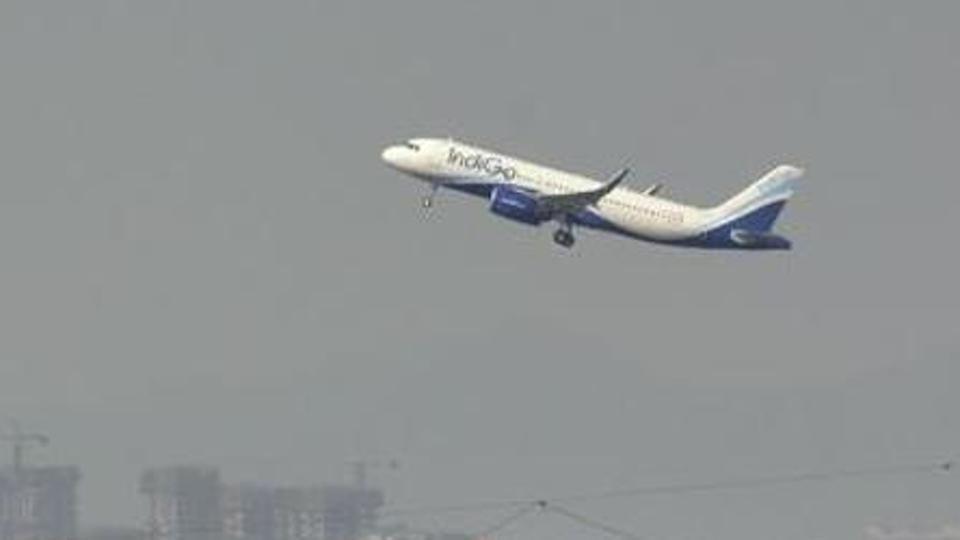
During the period, 8.26 crore passengers (825.64 lakh passengers) availed services of scheduled domestic airlines, as compared to 8 crore passengers (800.40 lakh passengers) who availed such services during the same period of the previous year.
During the January to July 2018 period domestic air traffic grew by 21.79% as compared to the same period of the previous year, data from the Directorate General of Civil Aviation (DGCA) showed, while annual domestic traffic growth during the January to July 2017 period stood at 17.18%.
“The meagre growth is due to the overall economic slowdown of the economy,” said Mark Martin, chief executive of Martin Consulting LLC, an aviation consultancy.
“The grounding of Jet Airways, and Boeing 737 Max has further contributed to the slowdown,” Martin said, adding that many corporates that used to earlier fly down executives across the country for meetings, now prefer video conferencing than flying their officials.
During January to July 2019 period, IndiGo carried 56.93 lakh passengers, with a 47.8% market share, while SpiceJet flew 18.48 lakh passengers, with a 15.5% market share. National carrier Air India, which flew 14.79 lakh passengers during the period, recorded a market share of 12.4%.
Incidentally, India’s largest domestic carrier IndiGo expects ticket bookings in the 0-15 day window, considered a key revenue-earning window for airlines, to remain weak and add pressure to unit revenues of the airline during the quarter that ends on September 30, the airline’s chief executive Ronojoy Dutta told analysts in a call in July.
“Unfortunately, we are witnessing some lower fares in the 0-15-day booking window and expect this to add some pressure to our unit revenues in the second quarter,” Dutta had said.
IndiGo has also lowered its capacity guidance for the July-September 2019 quarter to 28% increase in terms of ASKs, as compared to 30% increase in ASKs during financial year (FY) 2020.
ASK or available seat kilometer is a measure of passenger carrying capacity of an airline. It is equal to the number of seats available multiplied by the number of miles or kilometers flown by the airline.
Other airlines also expect headwinds in the coming quarter, especially during the June to August 2019 period, considered seasonally weak for travel.
“The slowdown in the rate of passenger growth is worrying since Indian airlines have placed a huge aircraft order considering double digit growth in the coming years,” said an official of an airline who didn’t want to be named. “We will have to see if the slowdown persists beyond the seasonally weak quarter (June-August 2019),” the person said, adding that airlines may be forced to slash ticket prices to attract passengers if growth slows down further in the coming quarters.


