
 E-Paper



Union Budget 2018: What are the expectations of markets and corporate sectors?
A low-down on what the markets and corporates expect from finance minister Arun Jaitley’s Union Budget 2018-19


The government will unveil its budget for the 2018-19 fiscal year on Thursday, with investors expecting increased spending in key areas such as agriculture, and a slew of incentives for businesses.
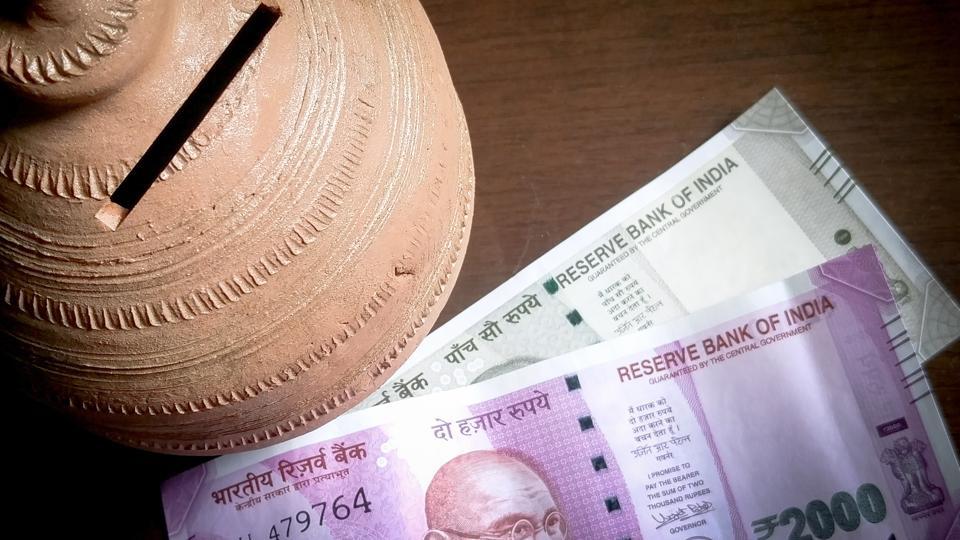
Marred by the chaotic roll out of a goods and service tax (GST) last year and a shock, overnight move to take high value banknotes out of circulation in late 2016, India’s economy is expected to post growth of 6.75% in the 2017-18 fiscal year ending in March, which would be the slowest in three years.
Union Budget 2018: Test your skills as the finance minister here
The government is expected to increase spending to ensure growth recaptures momentum, but most investors expect it to be prudent as loosening fiscal deficit targets by too much would likely spark a sell-off in the bond market.
Here’s what the markets and corporates expect from the budget:
Taxes
Reduce corporate tax rate to 25% from 30%
Cut Minimum Alternative Tax to 15% from 18.5%
Enhance tax deductions, exemptions for individuals
May tax long-term capital gains in investments
Agriculture
Establish fund to guarantee credit to encourage investment in agricultural sector
Allocate more funds for crop insurance schemes
Increase spending on dams and canals, micro-irrigation systems
Provide subsidies for building cold storage to avoid wastage of perishable crops
Reduce fertiliser subsidies
Banks
Allow full tax deduction for provisioning of non-performing assets at lenders
Raise the threshold for tax deduction on the interest paid on bank deposits from current Rs 10,000
Reduce the tenure of tax-exempted retail term deposits to minimum of 3 years from current 5
Allow tax relief for proceedings under insolvency code
Infrastructure
Increase investment by 10-15% in roads from the previous budget
Provide support for key road projects, including Bharatmala project, which will connect western and eastern India
Increase railways spending by 10% from the previous budget
Technology/IT
Provide greater incentives for digital transactions
Support digital payments infrastructure
Rationalise tariff structure, excise duties for mobile phones, tablet computers
Lower GST rates for telecom services to 12% from 18%
Auto
Lower GST rates on electric vehicles, currently at 12%
Announce policy on scrapping commercial vehicles that do not comply with emission norms if operational for over 15 years
Real Estate
Set single-window clearance for all real estate projects, especially housing to avoid execution and project delays
Reduce GST rate for projects under construction from current 12%
Further incentivise affordable housing
Reduce GST rate for home purchases to 12%
Oil & Gas
Reduce or exempt city gas distribution companies from excise duty
Exempt LNG imports from paying basic customs duty
Provide subsidy aid to downstream companies selling LPG, kerosene below market prices


