E-Paper



Alex Karp’s straight talk, Jensen Huang is worried, and Apple Reference Image
The biggest AI conversations, decoded. 24 September 2026

 Prefer HTon Google


Opening thoughts. You’ve got to agree with Alex Karp, CEO of Palantir. Even as the AI industry remains morally and ethically underdeveloped, it already shows a substantial chasm in defining the way forward, Karp held onto his characteristic straight talk when he simplified the current narrative which basically says ‘we will lose control of AI if regulations aren’t put in place’ (referring to misalignment resulting from guardrails and policies made by AI companies regarding test scenarios). This topic has been touched upon Anthropic’s Dario Amodei, OpenAI’s Sam Altman and SpaceXAI’s Elon Musk. Our conversation last week painstakingly details various facets of the chatter, and why not everything is black and white.
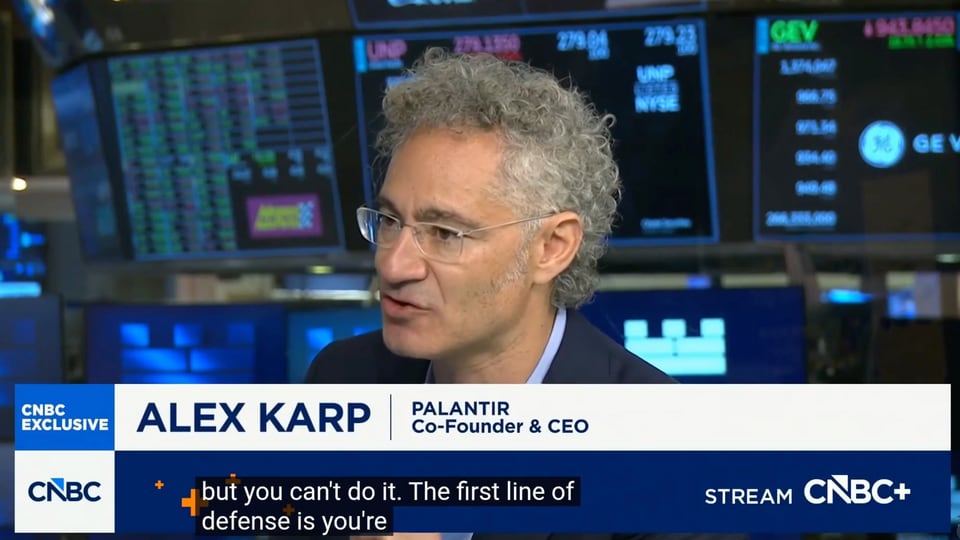
Karp, in an interaction with US network CNBC, says that regulation which some AI leaders are calling for, is meaningless if AI companies can then use the same set of regulations to weaken their own legal responsibility for the systems they build. “The first line of defence is liability for your own actions. It’s a weird twist. They are asking for societal regulation to get out of the first line of defence, which is if you build a technology that can destroy 10% of the world, that has civil and criminal liability attached to it,” Karp says. “The first step is to say if you have disclosed this, what are you doing about it?”
I have a simple point to make, drawing on what Karp said. Amodei made a call for regulation and laws. Altman, Musk and everyone else chimed in almost instantaneously. The question is, what exactly did the AI models do that led to this narrative being built? Unauthorised access and entry into systems, which leads to damage liabilities and product liability. Aren’t there already laws, criminal and civil, that govern this sort of online activity? Why do we need to redesign the wheel, just because the AI bros want us to?
This is the reason I love listening to Karp—he doesn’t hold back. When asked about the prospects of OpenAI’s planned IPO after this, Karp is of the opinion that an IPO was never a real destination. “You’re assuming that there will be an S-1… The only way to deal with this kind of liability is to go to the government and say: ‘Nationalise us, please!’”
JENSEN HUANG’S FANTASYLAND?
I’d be the last person to take anything Sam Altman or Dario Amodei or Jensen Huang say at face value. Particularly Jensen Huang, because he’s the man who stands to make the most money, the longer this AI enthusiasm lasts. It is no surprise that he thinks he knows better than everyone else. In a flurry of interviews (he basically starts talking the moment he sees a mic), which clearly show Huang is terrified that the narrative being weaved together by the likes of Amodei and Atman, is very bad for his business.
The result, he says, is there is “0% chance” AI will bring the end of the world. Okay, if you say so, Jensen. He also says that Amodei and Altman’s calls for slowing down the progress of AI (I’ll not get sidetracked by a plethora of possible intentions) are “not grounded in science.” Huang has also regularly been dismissive about selling chips to Chinese frontier labs. After all, its good for business. That leads me to ask, how much would you trust Jensen Huang’s views?
APPLE TAKES ON DEEPFAKES
There are still ripples from earlier this month. In the age of AI, it is becoming increasingly difficult to differentiate between real photos and generated visuals that also look quite realistic. There are initiatives and standards, including the C2PA and Google SynthID to detect AI images. But each, the C2PA in particular, is vulnerable to some level of compromise in the editing chain. With iOS 27 and specifically the iPhone 18 Pro and iPhone 18 Pro Max, Apple has introduced something called the Apple Reference Image, for delivering verifiable photographs.
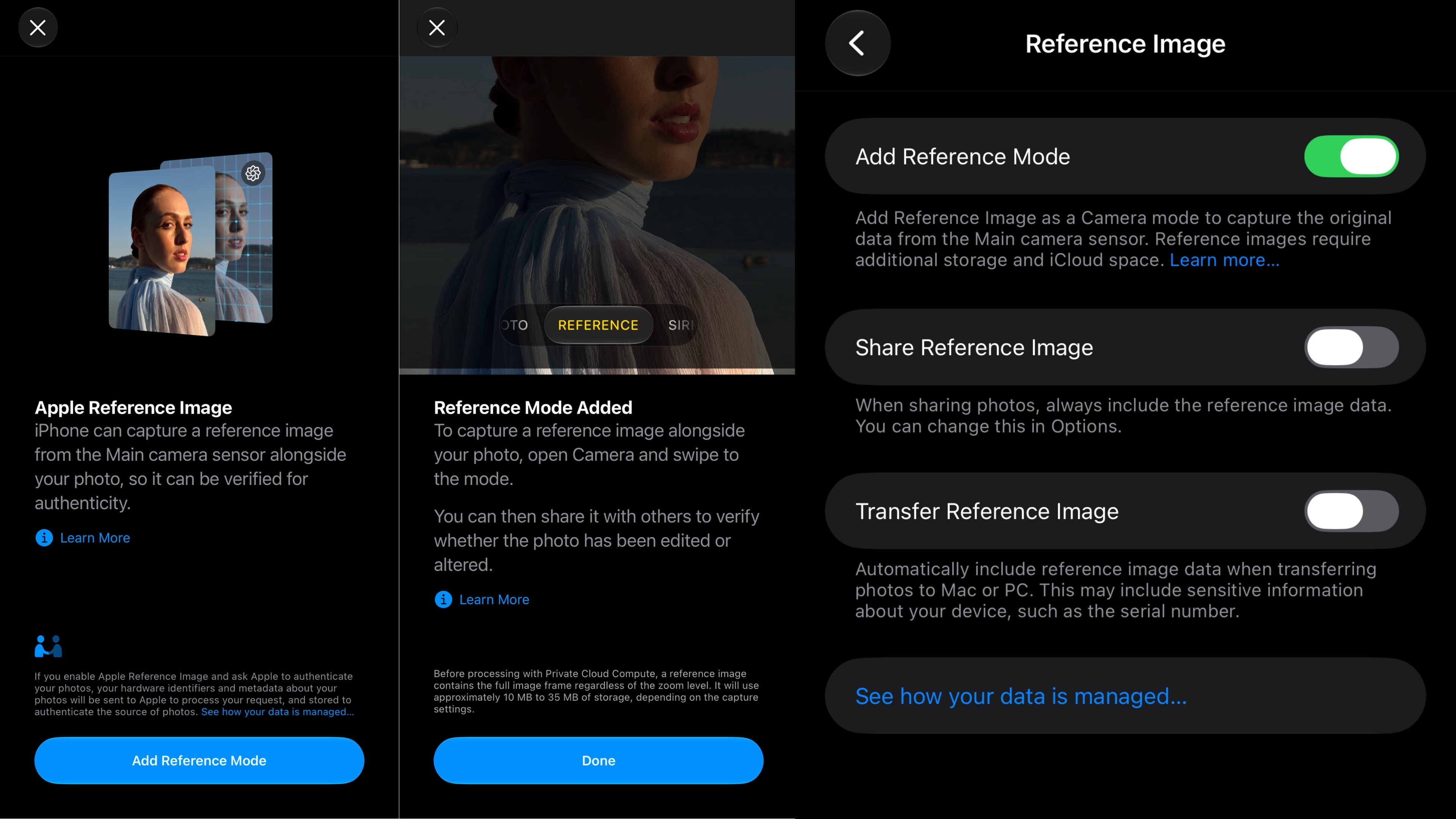
At the very foundation is the main camera sensor, from which a new Reference photography mode comes in the Camera app—this only works with specific hardware, which for now is only found in the iPhone 18 Pro Max and the iPhone 18 Pro, not even the iPhone Duo.
“Dedicated secure hardware on the device protects the integrity of this reference image, and Private Cloud Compute protects the privacy of the image data during processing. The system is built to be resilient to compromise, no matter how unlikely: any fraudulent images can be revoked without exposing the photographer’s identity,” Apple’s technical documentation explains.
Basically, it is a cryptographically signed copy of raw sensor data from the iPhone’s main camera > Apple’s Private Cloud Compute can later develop that data into a “reference image” which can be a point to check if the photo was altered in any way after it was captured. No system so far has been perfect, and we will begin to understand the possible shortcomings of this in due course. But at least the momentum towards finding a solution that separates the real from the artificially generated, hasn’t slowed down. That is a positive for photographers and creative professionals who care about their work.