
 E-Paper



Nitin Gadkari rejects criticism over E20 fuel rollout, says work on for 10% biodiesel
Work on to achieve a 10% biodiesel goal under fuel-blending programme, said Gadkari

 Prefer HTon Google


Union Road Transport and Highways Minister Nitin Gadkari on Thursday dismissed criticism over the rollout of 20% ethanol-blended petrol (E20), alleging that this was fuelled by vested interests and amounted to a “paid campaign” and separately said that work was on to achieve a 10% biodiesel goal under the fuel-blending programme.
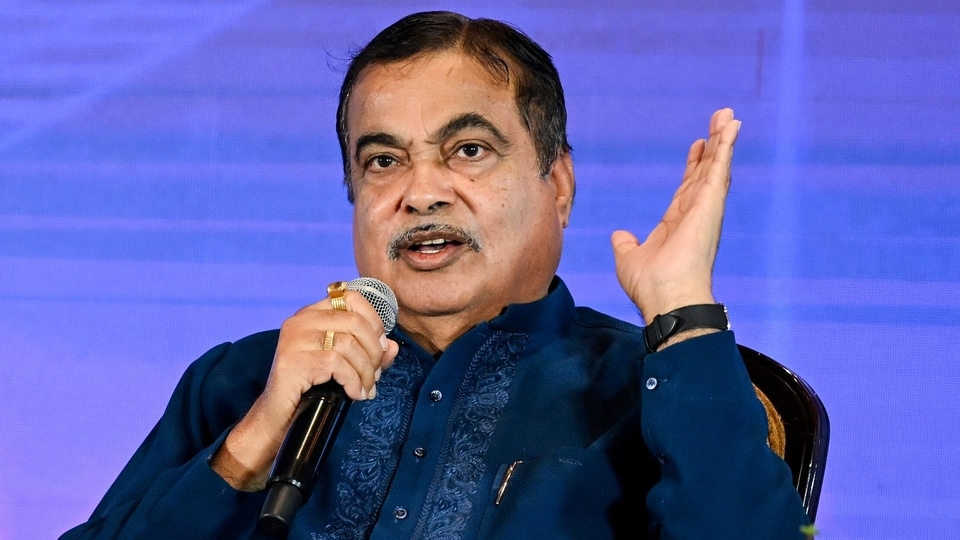
“The campaigns on social media against ethanol were to target me politically,” Gadkari claimed at a Society of Indian Automobile Manufacturers (SIAM) meeting in the capital.
India in July achieved the target of mixing 20% ethanol — an alcohol compound extracted from sugarcane molasses and grains — with petrol sold at stations across the country. Many car-owners, however, had criticised the move recently in social media posts, claiming that blended gasoline hurts impact fuel economy and some engine parts.
Defending the policy, Gadkari maintained that ethanol is “(an) import substitute, cost effective, pollution free and indigenous.” He argued that the country spends ₹22 lakh crore annually on fossil fuel imports. “If these ₹22 lakh crore go to the Indian economy, then how much profit will be made here?” he asked, adding that the programme was already yielding benefits for farmers.
At a separate event, Gadkari said work on developing biodiesel, which will have a 10% mix of isobutanol, was going on in full swing.
Isobutanol, a liquid alcohol used as a fuel additive, can be commercially produced from a variety of biomass feedstocks, such as corn, wheat, sorghum, barley, and sugar cane by using a yeast biocatalyst.
“Our policy is to decrease the import of fossil fuels. Going forward, we will not only have 10% biodiesel but we will also use biomass for producing bitumen used for road construction,” Gadkari.
Union food minister Pralhad Joshi, who also participated in the conference of the Indian Sugar and Bio-Energy Manufacturers Association (ISMA), said the country had successfully turned sugarcane, a traditional crop, into a resource for clean fuel.
“India is the third-largest consumer and producer of ethanol. It has led to energy security and environmental benefits, and created new sources of revenue, benefiting farmers,” the food minister said. Mills in the country had cleared 90% of dues payable to farmers for cane purchases.
The country had saved ₹1.44 lakh crore due to the ethanol blending programme, Joshi said.


