E-Paper



Petrol, diesel prices today: Check Delhi, Mumbai, Bengaluru rates amid crude surge
India's retail fuel stability faces mounting pressure as crude imports near $100 a barrel amid West Asian conflicts, straining commuters and oil companies.

 Prefer HTon Google


Fuel prices have caused a severe burden on households and vehicle owners in India as people face high costs at fuel stations. The average price India pays for crude oil has reached nearly $100 per barrel, the highest it has been in three months, due to increased volatility in the world oil markets, and at the same time, consumption of important fuel types such as petrol and diesel has gone up.
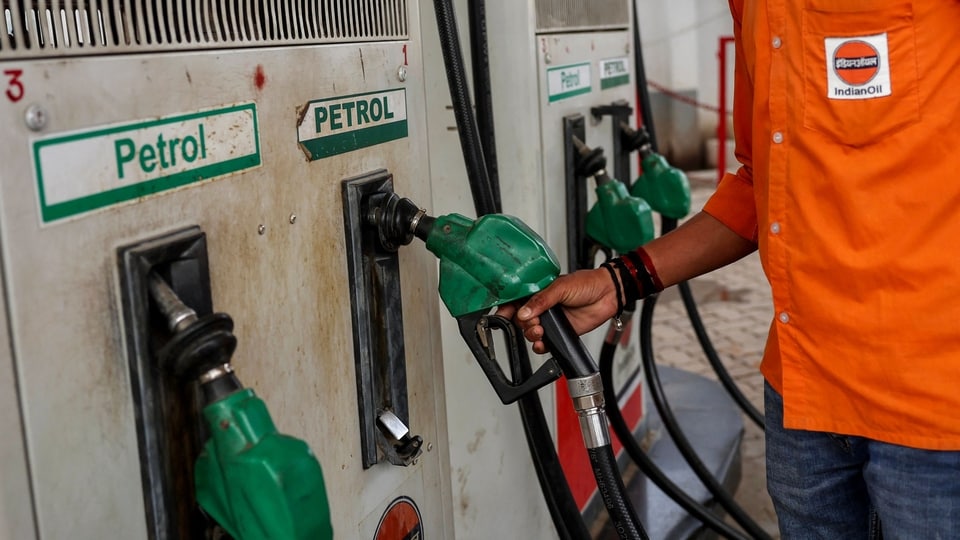
Since retail prices differ greatly from one city to another because of different state taxes and distribution charges, daily commuting and transportation continue to be major financial worries for the average person.
Also Read: Petrol, diesel prices hiked by over ₹2.5 each; 4th hike in 10 days
In New Delhi petrol is being sold at ₹102.12 a litre and diesel at ₹95.20, while in Mumbai the prices are higher: petrol is at ₹111.21 a litre and diesel at ₹97.83, after some small local changes in the past few days. In Gurgaon people pay ₹102.97 for petrol and ₹95.64 for diesel, according to the GoodReturns website.
Petrol and diesel prices also vary in other major urban areas. In Bangalore petrol is priced at ₹110.82 per litre and diesel at ₹98.77, in Bhubaneswar petrol is ₹108.97 and diesel at ₹100.68, while in Chandigarh the figures are lower: petrol at ₹101.54 and diesel at ₹89.47, the price-tracking website showed as of Monday morning.
Also Read: India’s crude import price nears $100/barrel amid global oil market volatility
The reason for this large difference in the prices is state-level value-added tax and local freight charges. Underlying these ordinary pump prices are growing economic pressures.
This comes as the international crude oil markets have recently experienced increased costs, caused by geopolitical tensions in West Asia and military clashes between the United States and Iran.
As a result of these global conflicts, the price of Brent crude futures has risen and India's average crude oil import basket has reached close to the $100-per-barrel level—this being its highest point in three months.
At the same time, the major oil-producing countries that are members of OPEC have decided to maintain their production quotas for October, thus keeping the global supply tight. Moreover, fuel consumption within India is increasing steadily.
Also Read: Petrol, diesel prices to fall? Here's what government said
According to an earlier report by HT, India imports more than 88% of its crude oil and is facing a rise in domestic petrol consumption—which grew 7.9% in August to 3,824 thousand metric tonnes—retail prices have largely been insulated.
State-run oil marketing companies, which control over 90% of the country's petrol pumps, have kept the prices largely unchanged.
However, industry experts note that public-sector retailers are facing difficulty, unable to raise prices in accordance with the international benchmarks as local demand continues to rise.