
 E-Paper



Haryana to open 2,000 wheat purchase centres
MASTER PLAN Four-fold rise from last year; procurement to begin from April 20 in staggered manner


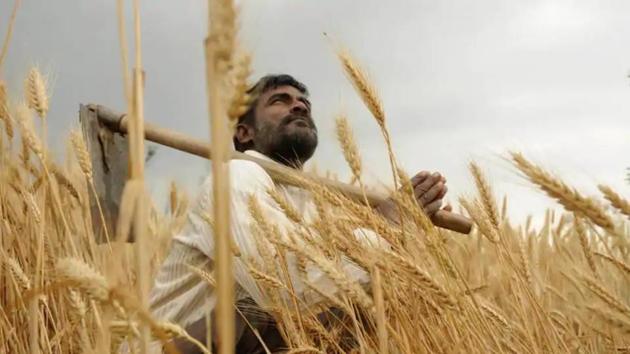
Haryana government on Tuesday announced that it would open 2,000 wheat purchase centres. The decision came amidst the growing worries among 40 lakh odd farmers about the fate of upcoming mustard and wheat procurement operations under the lurking uncertainty due to the lockdown and shortage of labourers.
In a bid to firm up its fresh procurement plans, the Manohar Lal Khattar-led BJP-JJP coalition government held a series of meetings in past two days with multiple stakeholders, procurement agencies and the commission agents (arhtiyas).
The state government has also urged the Centre to give incentives between Rs 50 and Rs 125 to encourage farmers for staggered arrival of the wheat.
From opening 140 mustard purchase centres (against 67 last year) to raising the number of wheat procurement centres from previous 477 to 2,000 and using every possible covered place — like sheds owned by various sects and empty spaces of rice millers — the state government will begin the massive wheat procurement exercise in a staggered manner from April 20.
The objective of the new procurement plan is to open purchase centres in the proximity of villages. As Haryana has over 6,000 villages, one procurement centre will cater to three villages. This is expected to check the issues of transportation of the grains and glut in the market. Usually, wheat and mustard procurement begins on April 1 every year. Due to the 21-day nationwide lockdown that will end on April 14, the procurement was deferred.
PREFERENCE TO REGISTERED FARMERS
As per chief minister Manohar Lal Khattar, produce of the registered farmers will be procured first. He has asked the unregistered farmers to register themselves by April 19.
“We will procure every grain even as there is a possibility of delay,” Khattar assured the peasantry.
Deputy chief minister Dushyant Chautala, who also holds the portfolio of food and civil supplies, said Dera Sacha Sauda, Dera Jagmal, Dera Bhumanshah and rice millers spread across 13 districts have offered their covered premises for procurement. The government is also approaching Radha Soami dera and other sects to convert their covered shed into temporary purchase centres.
Last year, 80% of the total procured wheat had arrived in the mandis in 25 days, but this time, the government plans to complete the procurement in two months in staggered manner. “We will use every resource, including MGNREGA labourers.”
Over 15,000 migrant labourers currently staying in government-run shelter homes are willing to join the procurement operations, Khattar said. “Arhtiyas will play a big role...Wheat MSP will be transferred to the farmers through the arhtiyas, while mustard MSP will be transferred directly to the account of farmers,” Khattar said.
INCENTIVES TO FARMERS
The state government has asked the Centre to give incentives to farmers to delay and stagger food grain arrival. On March 26, additional chief secretary (food and civil supplies) PK Das wrote to Union secretary (food and public distribution) Ravikant, saying that Haryana government wanted wheat procurement to be done in staggered manner to ensure smooth procurement. “This can be facilitated by incentivising farmers,” Das said.
A farmer from Kanheri village, however, said, “Our biggest worry is if the wheat will be procured. The government should fix the dates when the farmers of a particular area should bring the foodgrains to mandis.”
Hisar-based agricultural university V-C Prof KP Singh said, “Farmers can only delay harvesting up to a limited extent and long delay may affect them. If the lockdown extends, then we need specific arrangements and alternative measures to save our farmers.”
-kMNB-U1021018938041uE-250x250%40HT-Web.jpg)


