
 E-Paper



HC warns it will stay EWS admissions in Chandigarh school
The school in Sector 27 had approached the court in August alleging that the UT administration had not paid reimbursements since 2012. The court had asked for the UT’s response, which was not given

 Prefer HTon Google


In a significant development, the Punjab and Haryana high court has directed the Chandigarh administration to clear its stand on reimbursements to private schools to admit students from economically weaker sections (EWS), saying it would stay EWS admissions for the next academic session in a Sector 27 school if the administration did not respond.
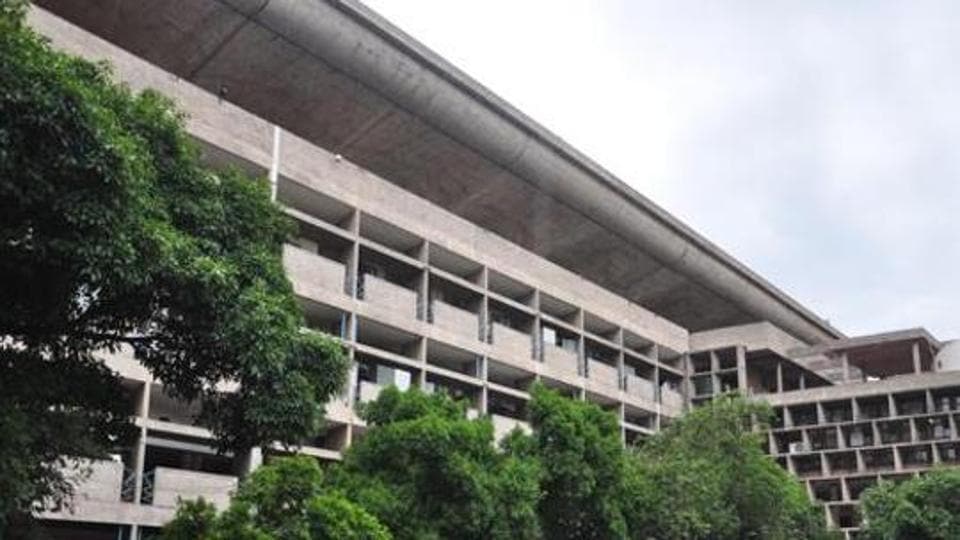
The high court acted on the plea of Chandigarh’s Bharatiya Vidya Bhavan, which runs Bhavan Vidyalaya in Sector 27. The school had approached the court in August alleging that UT had not paid reimbursements since 2012 and on October 26 the court had asked for the UT’s response within four weeks, which was not given.
A stay on admissions are likely to have an impact on other schools too, which might move the court.
According to data available with the UT education department, 56 schools had reserved 730 seats for the year 2019-2020 under the Right to Education Act for the EWS category. “The administration has not given reimbursements to private schools for the past nine years. It was given only for the entry level class,” said HS Mamik, president, Independent School Association (ISA).
On Friday, the application was filed by Bhavan Vidyalaya, submitting that the UT administration had issued a notice for the next academic session without taking a decision on the reimbursements.
The school pleaded that the administration be restrained from compelling it to admit students under the EWS category till the previous dues were reimbursed.
Rs2.5 crore due to school, court told
A sum of around Rs 2.5 crore was due to the school since the year 2011-12, the court was told.
Meanwhile, the administration’s counsel stated that a decision had already been taken as directed by the court and a detailed response would be submitted by the next date of hearing. He also claimed that the school was entitled to a reimbursement of Rs29 lakh and not Rs 2.5 crore, because it admitted a specific number of students under the land allotment scheme for schools under which it had undertaken to admit EWS students.
Reimbursements would be paid only for 15% EWS students and not 25% as claimed, the counsel said.
This claim was, however, countered by Manisha Gandhi, senior advocate and the school’s counsel. She said that the amount stated by UT took care of expenses incurred while admitting the students at the entry level. Every year, a certain number of students were admitted and promoted to the next class. Thus, the student strength kept increasing but the administration had not repaid the expenses incurred in this context, Gandhi told the court, adding that as of now the school has 212 EWS students and the intake initially was 23 students.
To this, however, UT’s counsel had no answer.
The court adjourned the matter for December 16, observing that if a satisfactory explanation for the figure of Rs 29 lakh was not forthcoming, EWS admissions for the coming academic session would be stayed.


