
 E-Paper



Punjab and Haryana HC for alternative mechanism to hear cases of runaway couples
The bench observed it to be the most demeaning childlike-work that high court judges have been forcibly tasked with.


The Punjab and Haryana high court has opined that an alternative mechanism should be evolved to hear petitions of runaway couples seeking protection in high courts.
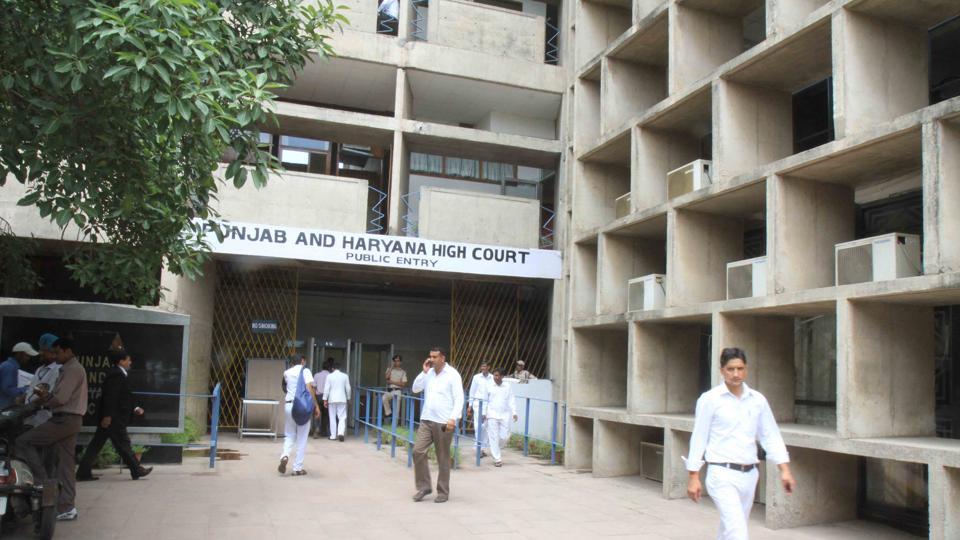
The bench of justice RN Raina stated, “I believe it to be the most demeaning childlike-work the high court judges have been forcibly tasked with by a creation of the ingenious bar and a solution needs to be devised to cast the burden on some other alternative mechanism of redress, including by amending the law and conferring such power on the subordinate judiciary etc.” He added that it was just a suggestion and it is for the legislature to find solutions.
Even during lockdown period, 30-40 such petitions are being taken up by high court these days. Lawyers say, on an ordinary day, the number of petitions would go beyond 100 cases.
A large number of these marriages are performed at religious places in the tricity itself following which protection petitions moved in the high court. It may cost anything between ₹50,000 to 1.5 lakh, a lawyer said. The petitions are filed under Article 21 of the Constitution of India, which guarantees protection of personal life and liberty.
The bench was hearing a petition of a Punjab couple. In fact, the court’s attention had gone to the matter over photographs of ceremonies being attached with the petitions. Now, the court has directed that the practice be done away with. The bench observed that the photographs of the couple do not even show the maulvis, granthis and purohits/pandits etc who performed the “ceremony” and shows just the couple, these days wearing masks.


