
 E-Paper



Third sero-survey to begin next week in Ludhiana
Teams from ICMR will visit Ludhiana to collect samples, which will be checked for presence of Covid antibodies

 Prefer HTon Google


With both the cold wave and Covid cases intensifying in the state, the health department will conduct the third sero-survey to assess public exposure to the deadly virus next week.
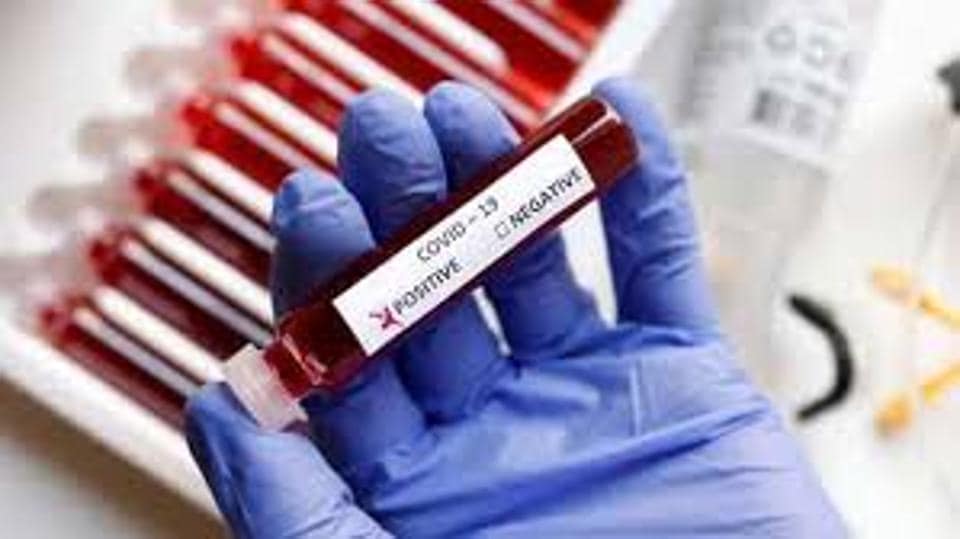
Teams from the Indian Council of Medical Research (ICMR) will visit Ludhiana to collect samples, which will be checked for presence of Covid antibodies. A flurry of activity was witnessed in the health department on Thursday as officials compiled a list of existing and new Covid hotspots in the city and rural areas of the district ahead of the survey.
Confirming the same, state epidemiologist Rajesh Bhasker said, “In the last two surveys, the ICMR team had carried out sampling in 12 districts, including Amritsar, Ludhiana, Patiala, SAS Nagar, Jalandhar, Ferozepur, Moga, Faridkot, Sangrur and Bathinda. Ludhiana with 54.6% total positivity and 71.7% urban positivity was found to be the worst hit, followed by Ferozepur, Jalandhar and Mohali.”
The health department had also predicted that the district would be hit by a second wave of infections in the second week of December. However, no surge has been witnessed so far.
Health and family welfare special secretary Amit Kumar said, “Delhi and parts of Haryana have been hit by consecutive wave of Covid, but we have managed to flatten the curve in Punjab. We have increased contact tracing and sampling. Each day we collect 32,000 samples to check the spread of infection,” said Kumar.
On the other hand, civil surgeon Dr Rajesh Bagga said the urban population was heading toward attaining herd immunity. “If over 60% of the population was found to have antibodies, it will be an indication of the public developing herd immunity.”
As per the government data, urban areas showed a positivity rate of 30.5%, while rural areas reported 21.0% positivity.
Each district was assigned the task of collecting a sample size of 400 — 200 each from rural and urban areas.
The samples were collected from Jugiana, Janakpuri, Madhopuri, Samrala, Gill, Sahnewal and Janakpuri, Koom Kalan, Pakhowal, Manupur, Sidhwan Bet, Sudhar, Field Gunj and Civil Lines.
A total 4,678 participants were interviewed from across the state and their blood samples collected. Of these, 1,201 tested immunoglobulin (IgG ) reactive, of which only 4.03% were symptomatic and 95.9% were asymptomatic.


