
 E-Paper



CWRC directs Karnataka to release 3000 cusecs of water to TN from Sept 28 till Oct 15
The Cauvery Water Regulation Committee on Tuesday recommended Karnataka to release 3,000 cusecs of water to Tamil Nadu starting September 28.

 Prefer HTon Google


The Cauvery Water Regulation Committee on Tuesday recommended Karnataka to release 3,000 cusecs of water every day to Tamil Nadu starting from September 28. The committee made the decision after holding a meeting on Tuesday.
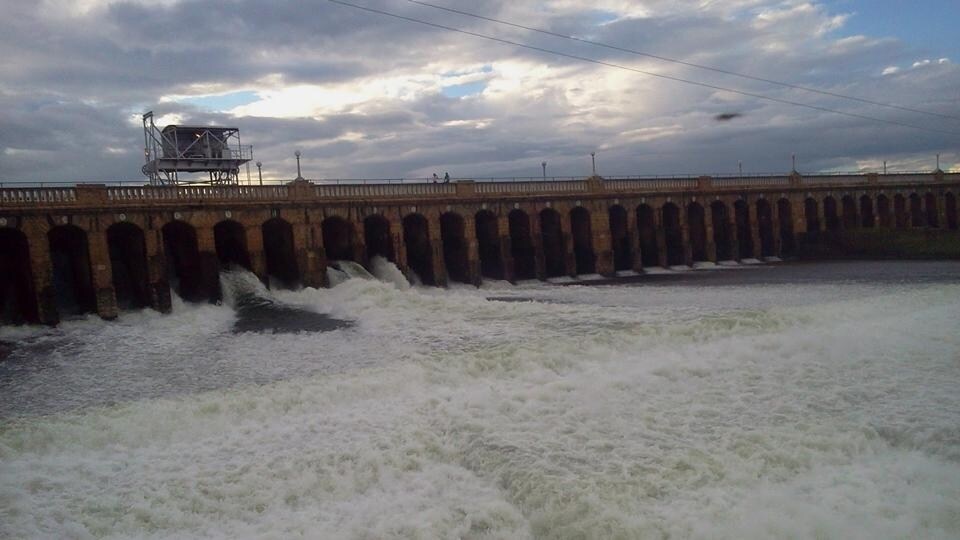
This comes on the same day that a horde of farmers, pro-Kannada organisations and opposition party members are protesting the release of Cauvery river water to the neighbouring southern state, while observing a “Bengaluru bandh”.
Protestors gathered in huge numbers at Bengaluru's Freedom Park and other places as well, where they raised slogans and staged demonstrations. Meanwhile, daily life activities came to a halt in Bengaluru today as restaurants, schools and offices were closed. However, public transport including metro, BMTC, KSRTC buses, and cab aggregators including Ola and Uber operated as per usual today.
READ | Farmers stage half-naked protest amid Bengaluru bandh over Cauvery water row
In the midst of this, the CWRC in its meeting decided to reduce the amount of water being released to Tamil Nadu, from the earlier directed 5,000 cusecs to 3,000 cusecs.
Officials from Karnataka have been maintaining that the state is facing a severe shortage of water amid a drought-like situation. The shortfall in cumulative inflows to Karnataka’s four reservoirs is up to 53.04 per cent till Monday, officials told the committee.
The Siddaramaiah-led Congress government in the state had earlier declared 161 taluks as severely drought affected and 34 taluks as moderately drought affected. “Out of this, 32 severely drought affected taluks and 15 moderately drought affected taluks fall in the Cauvery basin. This aspect needs utmost recognition and invites critical consideration by the committee,” Officials discussed at its meeting.
READ | ‘There is SC verdict but not going to oppose,’ Karnataka CM Siddaramaiah on Bengaluru Bandh
The ruling Congress had also plead with the committee that Karnataka is not in a position to release any water from its reservoirs or contribute any flows to maintain water levels at the interstate border, Biligundlu.
In turn, Tamil Nadu argued that Karnataka also has to reduce it's irrigation supply based on the distress proportion, and that it has to release shortfall quantity immediately and further flows as per the distress proportion.
Considering all these aspects, the CWRC came to a conclusion and recommended that Karnataka to ensure 3000 cusecs realization at Biligundlu starting from 8am on Thursday till October 15.


