
 E-Paper



Lake conservationist demands de-silting of Bengaluru's Gowdanapalya lake
With an aim to reduce pollution, a lake conservationist on Thursday demanded disposing of silt from Gowdanapalya lake in the Bengaluru city of Karnataka.

 Prefer HTon Google


De-silting of Bengaluru's lakes to reduce pollution and ensure good quality of water supply is a subject of constant concern for environmentalists and residents.
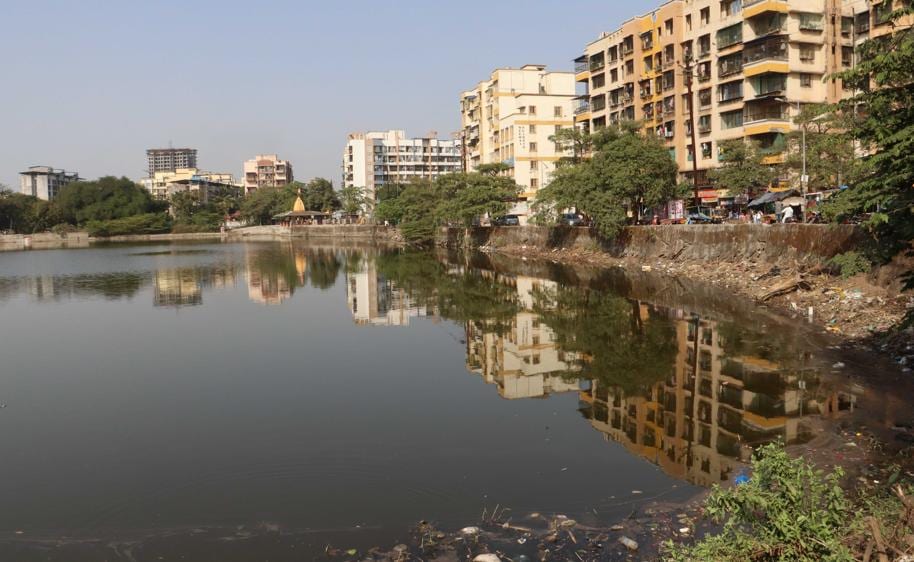
Raghavendra B Pachhapur, a lake conservationist, spoke to news agency ANI Thursday and called on the Bruhat Bengaluru Mahanagara Palike (BBMP), to take action, with specific focus on Gowdanapalya lake, which is being worked on by the city administrative body.
Also Read: Bengaluru’s lakes hit with continued encroachments and contamination
Pachhapur demanded the BBMP dispose silt from the lake as there is a risk of pollutants during monsoons. "Rejuvenation of the lake in Bengaluru is underway by BBMP... it should involve the state pollution board and ensure safety," Pachhapur told ANI.
"If the silt is not disposed off on time, it will settle pollutants on the lake bed when the monsoon arrives. The water quality of Bengaluru lakes is a matter of concern. I've brought this to BBMP's notice... they've not cleared it as of now," he explained.
A BBMP official told ANI the matter will be investigated and officials will visit the lake.
BBMP Special Commissioner V Ramprasad Manohar said, "We'll order an investigation. Our officials shall visit the concerned lake and rectify if there are any technical issues."
The BBMP began this project in 2017 but, so far, only a handful of lakes have been revived.
The Thalaghattapura lake, for example, remains partially encroached on by a private school and the Kengeri lake is contaminated by sewage water and other liquid runoffs as well.
In others toxic materials, oils and detergents have formed a thick sludge on the surface and some, like the Chikka Kallasandra lake, have been completely encroached by land sharks.
Social media activists have been trying to do their part too - to save the Pattandur Agrahara lake, which caught the eye of officials in April. The lake has been in the headlines ever since construction of a road began in its buffer zone in 2017.
Activist Sandeep Anirudhan was booked basis a complaint by BBMP officials last month after they alleged he was 'spreading propaganda' and 'inciting people'.
Bengaluru is in desperate need of all the good water it can get, having more than tripled in size in just over a decade and is now home to a population that has more than doubled to about 13 million since 2001. A survey in March said the shortfall in water supply in 2021, as estimated by the Bangalore Water Supply and Sewerage Board (BWSSB), is 650 million litres per day (MLD), which is likely to go up to 1,450 MLD by 2031.
Also Read: Bengaluru Water Crisis: What is causing it?
(With ANI Inputs)


