
 E-Paper



Mangaluru survivors recount 2010 plane crash tragedy amid recent Air India mishap
In 2010 at Mangaluru, of the 166 people on board, 158 died. It remains one of India’s most devastating aviation disasters.

 Prefer HTon Google


As India grapples with renewed concerns over air safety following a recent Air India incident, memories of one of the country’s worst aviation tragedies have resurfaced in Karnataka's Mangaluru. It’s been 15 years since the fatal crash of Air India Express flight IX 812 — a day seared into the minds of survivors and the families of 158 people who lost their lives.
Also Read - ‘They solve Bengaluru’s traffic crisis’: Chorus grows online as Karnataka bans bike taxis
For K Pradeep, one of the eight survivors of the 2010 crash, the passage of time has not dulled the memory. Now working as a civil contractor in Mangaluru, he returns every year on May 22 to the crash memorial at Kulur. There, in quiet remembrance, he lays flowers, prays, and reflects on what he calls his miraculous escape.
“I believe it was the blessings from my parents and their good deeds that protected me,” Pradeep told PTI. He still recalls the horror when the aircraft overran the runway and plunged into a deep gorge, bursting into flames.
Another survivor, Usman Farooq, who today serves with an ambulance service, echoes a similar sentiment. He believes divine intervention saved him. Farooq, who had been seated near the aircraft’s wing, said that part of the fuselage broke apart at just the right moment — creating an opening through which he managed to escape.
Also Read - Bengaluru climbs to 14th spot in Global Startup Ecosystem Rankings 2025
“I see my work in emergency services as a way to repay life’s gift. I was saved for a reason,” he said.
What happened in Mangaluru in 2010?
On May 22, 2010, Air India Express flight IX 812, a Boeing 737 operating on the Dubai–Mangaluru route, crash-landed at Mangaluru International Airport. The aircraft touched down far beyond the intended point — nearly 5,200 feet down an 8,000-foot runway — leaving little room for braking.
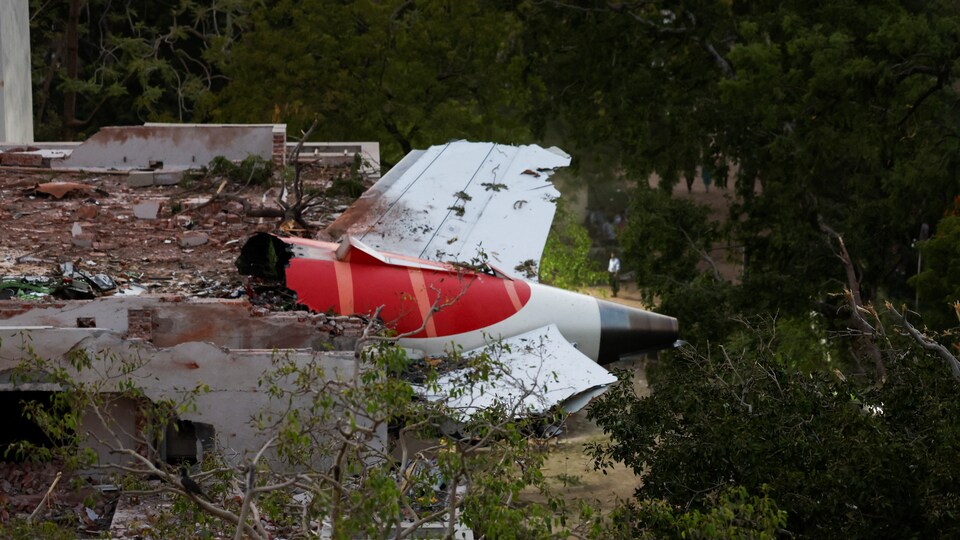
As it hurtled past the runway’s edge, the aircraft fell into a steep gorge and broke apart. Of the 166 people on board, 158 died. It remains one of India’s most devastating aviation disasters.
A detailed inquiry by the Directorate General of Civil Aviation (DGCA) concluded that the primary cause was human error. The captain, investigators found, had ignored repeated alerts from both the co-pilot and the aircraft’s ground proximity warning system, continuing with an unstable approach.
It was also revealed that the captain had been asleep for a significant part of the flight and was likely suffering from “sleep inertia” — a condition that impairs decision-making after abruptly waking up.
The Court of Inquiry, headed by Air Marshal B.N. Gokhale, affirmed these findings and added that infrastructure issues at the airport contributed to the tragedy. One key concern was that the localiser antenna structure — which the plane crashed into — was not built to break upon impact, violating international aviation safety norms.


