E-Paper



MP cops didn’t allow us to enter, say Medha Patkar, lawyer on Khargone visit
Activist Medha Patkar and lawyer Ehtesham Hashmi said there should be an independent probe into the Khargone violence.

 Prefer HTon Google


BHOPAL: Social activist Medha Patkar and Supreme Court lawyer Ehtesham Hashmi on Saturday said they attempted to reach out to families affected by riots in Sendhwa town of Barwani district and Khargone on Saturday but were not allowed, lawyer Hashmi said.
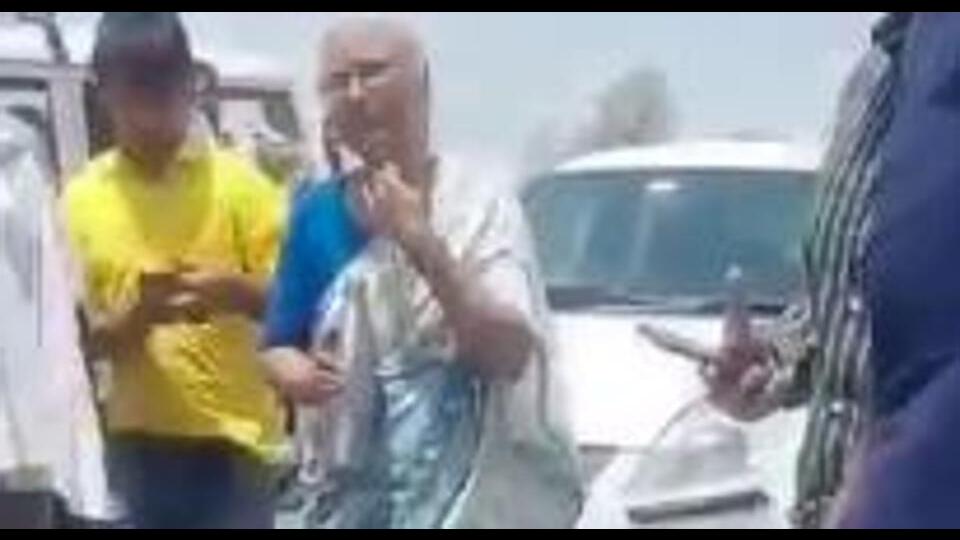
Hashmi said they tried to enter the Khargone area which saw communal tension after the administration relaxed the curfew but were stopped. “We were going on foot but police personnel present stopped us from entering. We requested them to at least allow us to see the affected areas but they refused to do so,” he added.
Medha Patkar also said working of state government and local administration has come under question. “Nobody knows what is happening in Khargone with people who have been arrested and attacked during the riots and after riots through demolition drive,” she added.
Hashmi, who is also a member of the Congress’s legal cell, said there should be an independent probe into the communal violence in Madhya Pradesh.
“An independent agency should probe the matter because police are stopping people from entering the town to hide irregularities. If the state government doesn’t order a separate inquiry in the matter, we will move the high court for justice,” said Hashmi.
Bhopal Shehar Qazi Sayyed Mushtaq Ali Nadvi also said they were taking legal opinion “to move to the court against this illegal demolition drive”. “We are not against the government but people should be given a fair chance to prove their innocence,” he said.
Home minister Narottam Mishra defended the demolition of illegal structures but insisted that the demolition drive had nothing to do with the communal violence.
“Demolition drive and action against rioters are two different things. Demolition drive is being held against the illegal encroachment as per the law. People are free to move to court.”
Chief minister Shivraj Singh Chouhan has announced that the state government will rebuild houses that were damaged by rioters. “Ten houses have been fully damaged by the rioters who also set the houses on fire. The government will rebuild all the houses. The number of partially damaged houses is 70. They will also be repaired with the help of the government. Arrangements are being made for free treatment of those who are injured. As many as 16 people lost their source of income after their shops were burned down. The government will give full help to them to restart their business,” said Chouhan said.
For now, Chouhan said the government will fund the compensation to be paid but the money will later be recovered from the rioters.