
 E-Paper



Basmati starts arriving at Punjab mandis, fetches a premium
At the opening of the season, the 1509 variety basmati started arriving in Punjab mandis and it is expected to pick up in mid-October. The trends are encouraging this year

 Prefer HTon Google


The arrivals of freshly harvested aromatic premium paddy variety basmati have started in the mandis of Amritsar, Tarn Taran, and Gurdaspur districts and the purchase has opened on an encouraging note with a price of up to ₹3,800 offered for a quintal at Amritsar mandi.
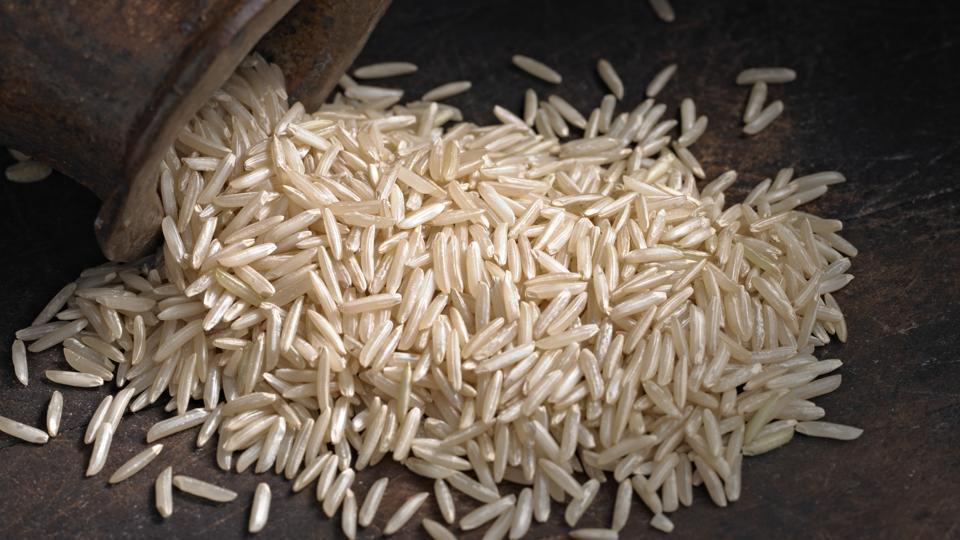
At the opening of the season, the 1509 variety started arriving and it is expected to pick up in mid-October. Traders in the field said the rates are expected to touch a maximum of ₹4,200 a quintal when the harvest of 1121 variety starts.
The trends are encouraging this year compared to last season’s crop when the purchase started at ₹2,600 a quintal and touched ₹3,500. Roughly, 4.6 lakh hectares (11.5 lakh acres) area was sown under the premium crop. The mandi board is in the process of accessing the quantum of arrivals.
“It is a bumper crop as the yield reported is 17-20 lakh tonnes. Farmers are happy with the opening trends and most important is the basmati was sown by direct seeded rice method,” said agriculture minister Kuldeep Singh Dhaliwal, adding that after harvesting, basmati farmers would sow potatoes and after that, they would sow wheat. “It is a win-win situation for the farmers,” he said.
“So far, basmati growers are happy with the trend,” Gurmeet Singh of Sarvali village near Batala said. He added that if the 1509 variety is fetching a good price, the 1121 variety is expected to get a higher price. However, he said that there is a price disparity when the prices of two mandis, Amritsar and Batala, are compared. The mandi board should look into it and bring price parity.
Punjab is a key contributor to the export of aromatic grain. Annually, basmati export from India is worth ₹40,000 crore, out of which Punjab contributes to 40%. The quantum of Indian basmati rice consumed in Saudi Arabia is 50% of imports to the Middle East; the region itself forms 70% of our country’s export market. Indian basmati is also consumed in Iran, Iraq, Europe and North American countries.
According to Vijay Setia, a Karnal-based rice exporter, a good crop means a good price in the international market which translates into good income for the growers.
He hoped for a good export season ahead. The impending challenge is the usage of pesticides as a large portion of the crop is still at the maturing stage.
“In the past, we have suffered owing to traces of agrochemical found in the grain when tested at some of the consumer countries, particularly Europe. We are making best efforts that the agrochemical is used within the prescribed limits for which 10 compounds of agrochemical have been banned by the state agriculture department,” said Ashok Sethi, director, rice exporters’ association.


