
 E-Paper



Centre’s push for e-learning: Ludhiana educators unimpressed, want digital divide to be bridged first
Educators and parents in Ludhiana say the central government should ensure availability of resources including internet and smartphones—to bridge digital divide—before making a push for e-learning at schools

 Prefer HTon Google


Central government’s enthused push of e-learning at government schools through direct-to-home (DTH) facility in the latest budget rang hollow for students at the ground level as issues of poor digital infrastructure and lack of financial resources still remain commonplace.
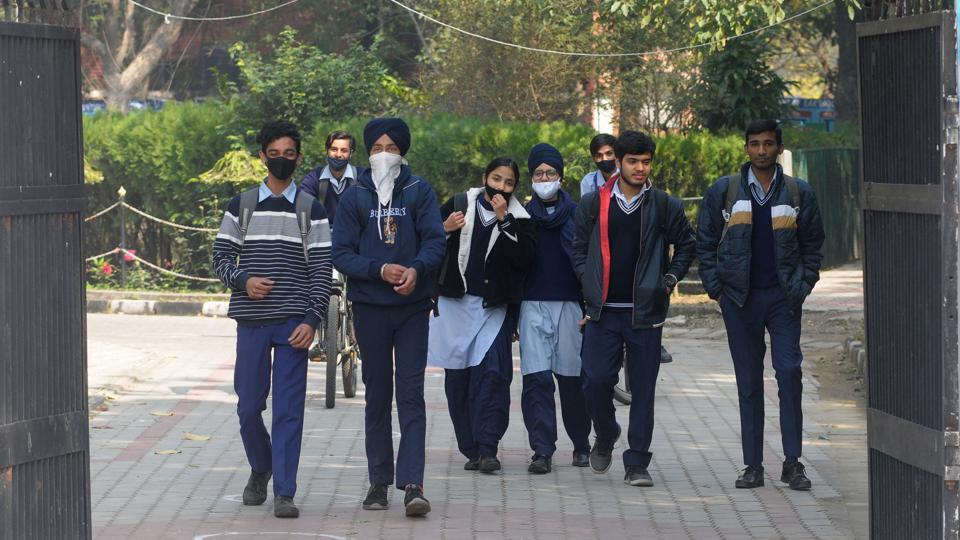
Students, as such, were being forced to make do with limited resources to attend remote classes, which are set to continue until February 8 given the latest pandemic guidelines.
The Centre’s latest push for government schools to go digital has further put students with no access to smartphones or proper internet, a basic fundamental for e-learning, in a spot of bother.
Speaking of the latest announcements, a principal of a senior secondary school in the city said, “Even if the schools are open now, major focus has already been driven to e-learning, digital modules and video-related content. The syllabus prepared by the state education department is regularly shared with them online, but not all students get to benefit as they can’t afford to buy a smartphone which has become really essential now.”
Sunil Kumar, a parent, rued the increasing cost of education at government schools and lack of a fallback, saying, “Both my children are enrolled at a government school given the free education. But now that education is digital, I have been trying to collect money to buy a smart mobile which is not the easiest.”
“They have been forced to manage online classes using a cousin’s phone, because there is no alternative at this point and they cannot afford to miss schoolwork everyday,” he added.
Highlighting some of the problems caused by the lack of proper internet services in several areas, another educator said students are finding it hard to prepare well for the upcoming board examination.
According to multiple school teachers, students have been pushed to rely on classmates and fellow students that have better access to the e-learning facilities to deal with the situation.
“Since many students do not have smart phones given the disparate financial status, they are forced to visit their classmates to take online classes daily,” one of the teachers at a government school said.
“Since we share online content for classes as well, they often study together to prepare for their upcoming exams. The government should take an initiative in arranging smartphones for the needy with access to the educational channels operational on them,” the teacher added.
Educators see a silver lining
Teachers did, however, see a silver lining in Centre’s decision to launch the fifth-generation mobile network.
“Many government school students live in areas with poor mobile network, which in turn affects their education. The 5G project will help improve the connectivity. Going digital is the best solution to reach students in the current scenario, but they need to be provided with the right resources first,” one of the teachers said.


