
 E-Paper



Nomita Kapur: “Adversity is truly a great teacher”
The author of Days of Recovery on her debut collection of poems written while she was battling cancer

 Prefer HTon Google


In your journey of battling cancer, you must have had both good and bad days. How would you say these varied experiences affected your writing?
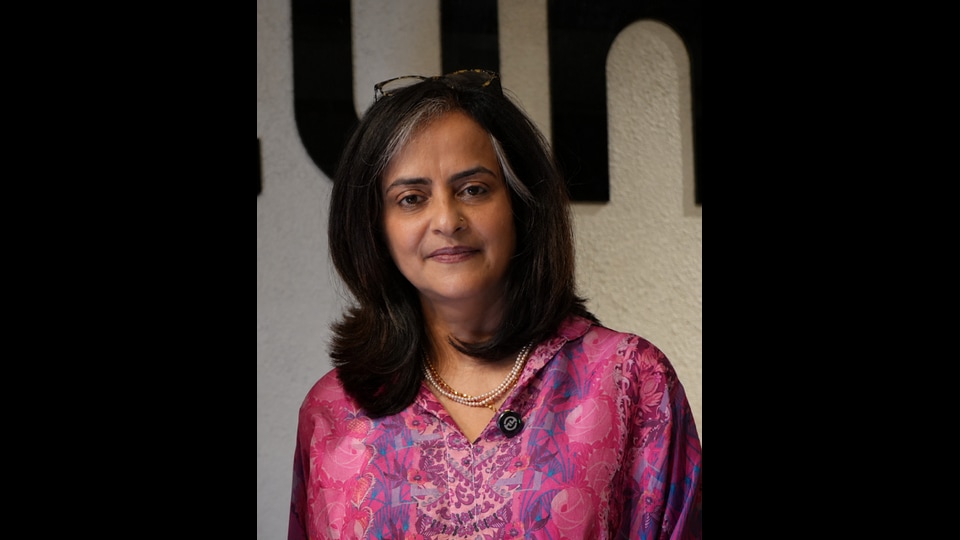
Yes, there were good days and bad days. The way I felt on any given day was reflected in my voice, imagery and choice of subjects. Some days I woke up feeling low and exhausted and spent the day in a foetal position so I could gather myself. On such days, I felt inclined towards being in nature, to allow for my vulnerabilities, to let go and be in a state of surrender. On these bleak days, the poems developed in ‘form’ with their own meter and rhyme, almost as if seeking support from their structure. And the imagery was well defined and the subjects more physical in nature as this is what helped me ground myself.
On other days, feeling more robust and upbeat, I found the strength and inclination to engage with the world and even the mental stamina to reflect upon the truths of life. Since I was more energetic and centred, the poems emerged without a recurring pattern, as ‘blank verse’ -- far more fluid and spontaneous. The imagery became more nebulous and subjects more organic and internal, as if gently nudging me to reclaim myself a bit more.
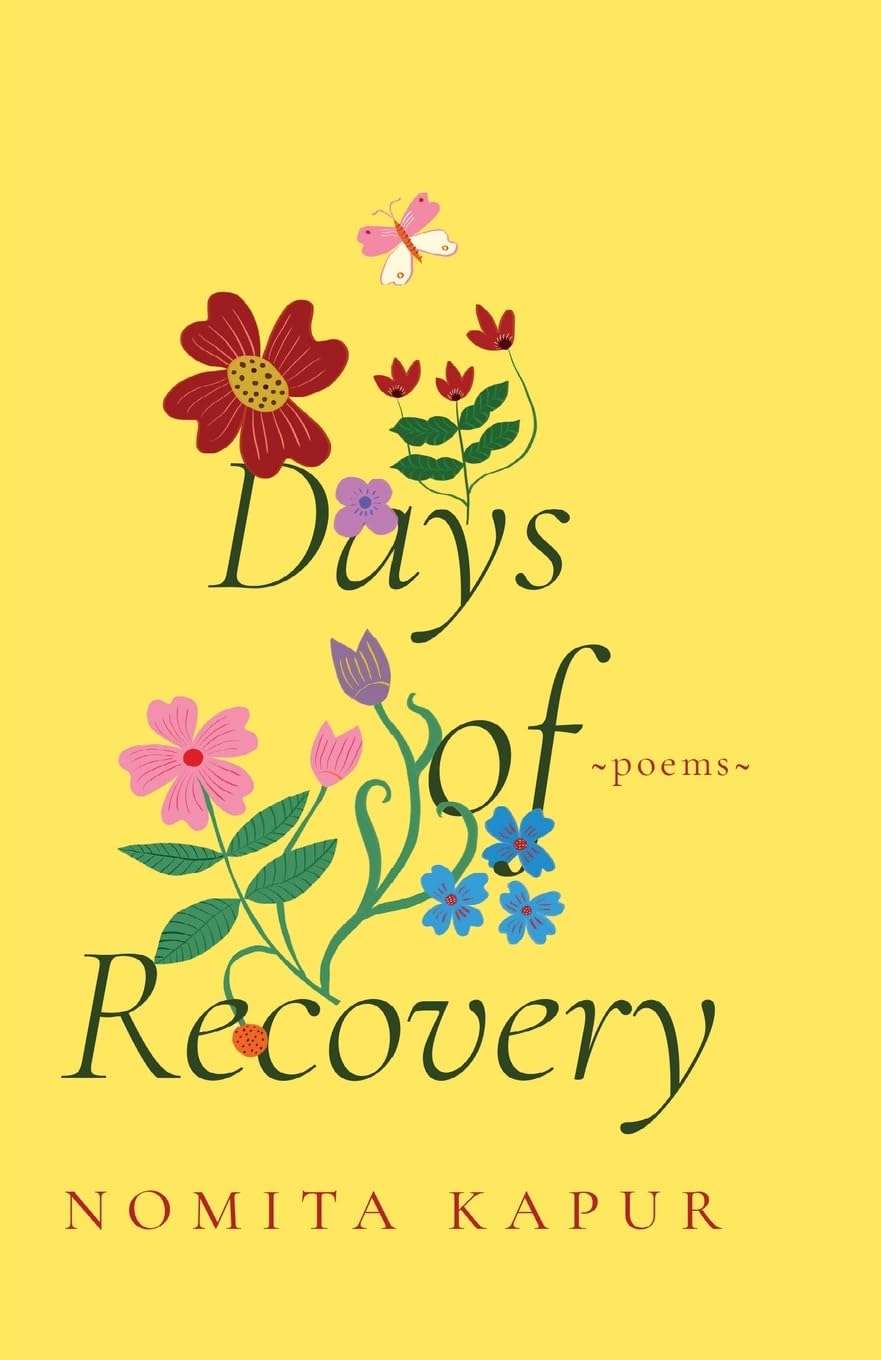
Tell us about the creative process behind naming your five chapters starting with Days of Unease to Days of Recovery.
The five chapters are indicative of the five phases I went through while recovering, where each phase was a set of predominant emotions.
But recovery is never a linear process, so these are not watertight segregations, for even in a bold phase I did go through weak moments.
Initially, there were Days of Unease, often filled with shock, worry and anxiety. As I settled down with the diagnosis and my treatment, my Days of Reckoning began bringing with them acceptance of what was unfolding along with its deeper truths. The ways of life, as well as my own thought patterns and behaviours, came to light. The more I stayed with my reality and its implications, the more a certain stillness ensued. I felt Days of Calm descend, which allowed me to let go my grievances and embrace my vulnerability. Slowly, I began to reorient myself with faith and surrender and came to inhabit my Days of Release by leaning into the unity of life itself. Supported and strengthened by my lifeforce and life itself, I began to feel that my Days of Recovery were here to stay.
In hindsight, the creative process was essentially a process of leaning in and allowing myself to align with what the days were offering and the gradual process of recovery itself.
The underlying theme from your previous book Drop by Drop to this one seems to be a gradual journey of restless movement to a gentle pause. What does this change say about the kind of life we all are living right now?
Drop by Drop was an inner quest and cancer became the ground for testing and digesting the answers. I’m grateful that my seeking found resolution as a lived experience during this time, even though this pause was not of my asking.
When my active days were brought to halt and I watched the world go by in its frenzy, it became apparent that we live our lives on the treadmill of achievements, consumption and possessions without pausing to evaluate the validity of our thoughts or relevance of our efforts. Meanwhile, we start clinging to what is certain, for we wish to feel in control of our lives.
Perhaps what we lack is the required measure of inner awareness as well as awareness about the richness of life. To slow down and pause is the only way to get there. Better still, if we can do it proactively and periodically.
What role did writing poems play in your journey towards recovery?
This is my first work of poetry and these verses have been my strength and solace.
To recover from a significant loss becomes the journey of our soul, which seeks expression through a language and grammar which is subtle and fluid. For me, poetry simply allowed for it.
Initially, amongst the intense noise of diagnosis and treatment I had begun to feel very disoriented. Writing these poems helped me ground myself and kept me audible to myself. They became a way for me to process all the events that were unfolding, while allowing me to access the depths of my feelings and give expression to them. In doing so, writing poems helped me feel my inner spaciousness and my aliveness, and became my way of inviting life back.
How did being diagnosed with cancer and then surviving it change your literary experience? Did it affect your writing style?
Well, it certainly did affect both my voice and my style. Recovery has been my uniquely lived experience in real time. To that extent, the poems reflect my first-hand inner experience rather than any melding of external insights and inferences. Consequently, my voice this book has been deeply personal.
Equally, given my fatigue levels in those days, since I was unable to write long prose pieces, as a blessing in disguise, these poems helped me cut the clutter. They allowed me to touch the essence of what I was experiencing and find expression in a few words while retaining the fluidity of the experience. I am grateful that this setback helped me discover the poet in me, for even a few words can be plenty.
Your poems also underline the deep shared experiences of human lives. At a time when death, destruction and genocides surround us, what is your message to those trying to make sense of such dystopian realities?
I feel all dystopian realities external to us begin with the dystopia within. Our lack of self-understanding and a disconnect with ourselves makes us misunderstand life and living. This inner chaos displays itself as outer conflict and unrest. The real work is to recover from the underlying malady rather than merely treating the symptoms. For, to recover is to discover and embrace the human in us.
Is there any personal learning from this experience that you would like to share with people living with cancer or those in recovery?
There are so many, for adversity is truly a great teacher. To begin with, I would acknowledge that recovery really only begins once treatment has finished and the scaffolding of doctors and care givers is largely dismantled. This is when we have to take on the solo journey of recovery. It’s ironic, that this is the very point, when after the unforgiving treatment, our body is at the lowest threshold of energy and vitality and the mind at its most disturbed. Yet, the journey must go on and as we gather ourselves, if we are lucky, our recovery can become better than the cure.
Moreover, recovery calls upon our patience, determination and faith for there are no milestones of certainty here. We, simply have to live it out, a day at a time and hope for improving possibilities. It always helps to remember that in our different ways, we are all in recovery -- be it from the loss of health, loss of wealth, loss of a loved one or loss of love itself.
Chittajit Mitra (he/him) is a queer writer, translator and editor from Allahabad. He is co-founder of RAQS, an organisation working on gender, sexuality and mental health.


