
 E-Paper



Chandigarh: PGI cardiac emergency to start running from March 1
Unlike the advanced paediatric centre and advanced eye centre, the advanced cardiac centre, established in 2009, did not have an exclusive emergency wing

 Prefer HTon Google


The Post Graduate Institute of Medical Education and Research (PGIMER) will operationalise a dedicated cardiac emergency unit at its advanced cardiac centre from March 1.
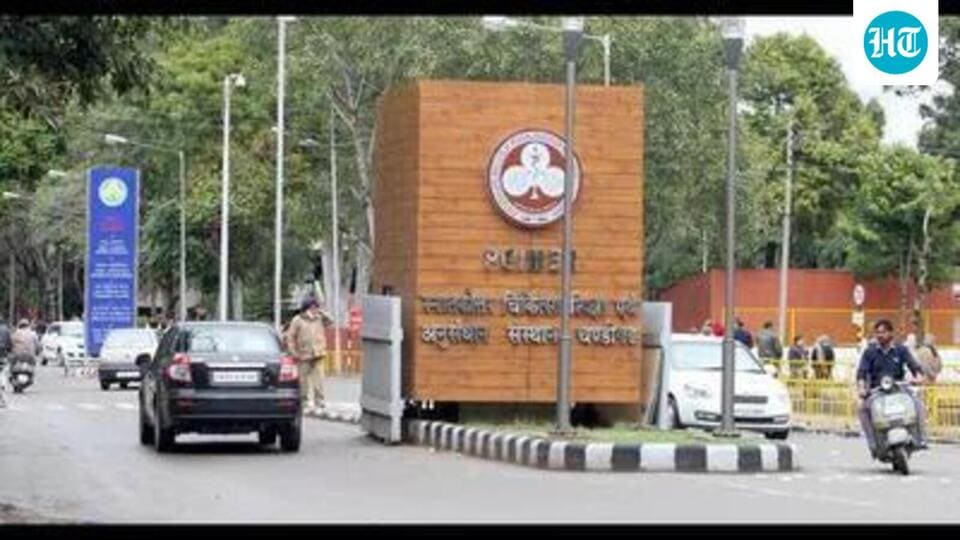
Unlike the advanced paediatric centre and advanced eye centre, the advanced cardiac centre, established in 2009, did not have an exclusive emergency wing. Cardiac patients were first received at the main general emergency before being referred to the specialised facility, often leading to delays in time-sensitive cases.
The advanced cardiac centre is a 210-bedded facility, including a 46-bed cardiac surgery unit and three cardiac catheterisation laboratories, catering to a large number of critical heart patients from across the region.
Announcing the development, PGIMER director Vivek Lal said the need for a separate cardiac emergency had long been felt. “In a high-volume tertiary care institute like PGIMER, managing acute cardiac cases within the general emergency system was increasingly challenging. We felt it was important to create a focused pathway exclusively for cardiac emergencies,” he said.
For years, cardiac emergency patients were handled in the main emergency wing, which manages a heavy daily influx of trauma, medical, surgical and critically ill patients from Punjab, Haryana, Himachal Pradesh, Jammu & Kashmir, Uttarakhand, Rajasthan and adjoining areas. Given the overwhelming patient load, critically ill cardiac patients often had to navigate a crowded system, highlighting the urgency for a structured and specialised response.
“Cardiovascular emergencies are time-critical. Every minute saved can translate into a life saved. Our objective has been to ensure that no cardiac patient loses precious time because of logistical bottlenecks,” Dr Lal added.
The dedicated cardiac emergency has been established through coordinated efforts of the departments of cardiology, emergency medicine, anaesthesia, hospital administration and nursing services. The integrated system is designed to minimise delays, improve coordination and enhance accountability in emergency cardiac care.
The move is also expected to ease congestion in the main emergency wing, thereby improving overall patient flow and reducing stress for patients and attendants. “This is not merely an infrastructural addition but a strengthening of systems. We are building responsiveness into our emergency care framework,” Dr Lal said.


