
 E-Paper



Flood fury: A day after BBMB blames AAP govt; Goyal hits back, says BBMB adopting discriminatory tactics against Punjab
The state cabinet minister has accused the board of “adopting discriminatory tactics at the behest of the Centre”

 Prefer HTon Google


A day after Bhakra Beas Management Board (BBMB) chairman Manoj Tripathi blamed the Aam Aadmi Party government for making the flood situation in Punjab worse due to “mismanagement”, state cabinet minister Barinder Kumar Goyal on Saturday accused the board of “adopting discriminatory tactics at the behest of the Centre.”
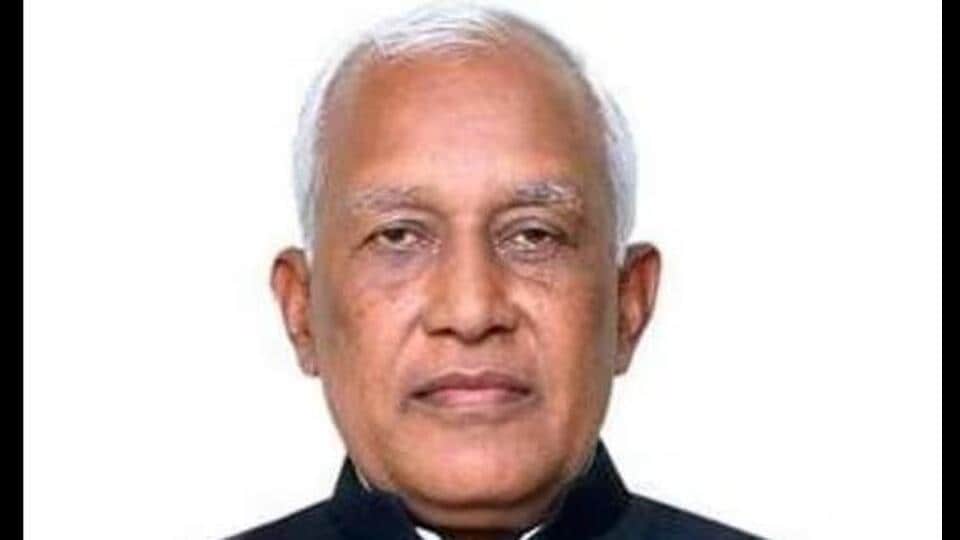
“The board has a history of acting arbitrarily, often going silent when Punjab seeks relief, but readily imposing its own decisions when it comes to creating pressure,” said Goyal, who holds the portfolio of water resources.
Punjab has faced its worst floods in nearly four decades due to swollen rivers, including the Sutlej, Beas, and Ravi, caused by heavy rainfall in their catchment area in Himachal Pradesh and Jammu & Kashmir. At least 50 people have been killed in various rain-related incidents across the state during the current monsoon season. There has been a growing criticism from political and social quarters that the flooding was manmade and could have been avoided through better coordination between the BBMB and state authorities.
“The situation could have been averted from turning worse had the Punjab government managed the water courses – rivers and canals – through timely desilting and strengthening of embankments,” Tripathi said during a press conference on Friday
Hitting out at the BBMB, Goyal said during a technical committee meeting in June, Punjab had categorically demanded 29,500 cusecs of water for irrigation, as the paddy sowing season was underway. “Despite repeated letters and requests, Punjab was allocated only 21,000 cusecs of water, against the stipulated norms that mandate supply as per the demand of partner states during the filling period. Had Punjab been given its rightful share, our irrigation needs would have been fully met and the dams would also have had adequate space to store excess water,” said Goyal.
He reiterated that floods are the result of massive rainfall in the catchment areas uphill. “The Beas river saw historic inflows into Pong Dam, surpassing all previous records.
Yet damages were minimal due to timely strengthening of embankments,” the minister claimed.
Tripathi had said the very presence of the dams had shielded Punjab from even greater devastation. Without the storage and regulation offered by these reservoirs, he said, flooding would likely have started as early as June. He also said that pre-monsoon technical assessments had recommended drawing down reservoir levels to create more buffer space — advice that, he said, was not fully acted upon by the partner states.
He also said the BBMB did not make water release decisions unilaterally. All releases, he said, were made in consultation with partner states — Punjab, Haryana, Himachal and Rajasthan — as well as technical experts from the Central Water Commission and the India Meteorological Department.


