
 E-Paper



Guest Column | Take care of the men who guard our borders
To keep up the morale of the men in uniform, they should be taken care of at all times by way of proper planning and good communication. The primary reason for increase in fratricides or suicides is poor leadership and man-management at the sub-unit level


The recent unfortunate incident wherein an Army major fired at his own colleagues at a forward base in Jammu and Kashmir (J&K), has once again highlighted the problem of fratricides in the forces. Over the last decade or so, the Army has witnessed nearly 100 suicide and fratricide cases.
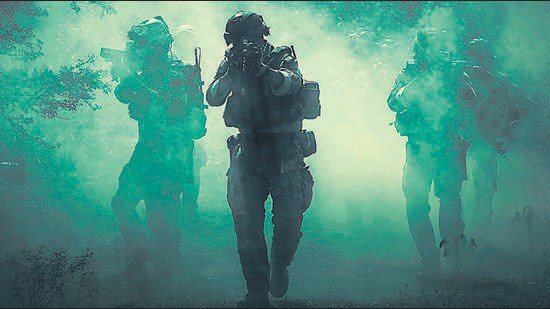
What is the reason behind it and who is to be blamed for a jawan shooting himself or his colleagues rather than saving the bullet for the enemy? Is it a problem of man-management? Or are the ethos and traditions of the forces slowly being diluted with changing perceptions? Have the Commanding Officers (COs) lost pulse of their men? Or are familial and domestic pressures contributing to the stress of men in uniform?
Let’s have a look at it.
I have studied these cases closely during my command and staff tenures in the Army for 38 years, in all parts of the country, including the North East and J&K. The jawan today is much better off -- with far more welfare facilities, better rations, and greater availability of field area family accommodation (FAFA) -- than how it was when I joined the armoured regiment in 1974.
Yes, the work pressures have increased, particularly in the Valley where militancy has to be fought on a daily basis. Regular leave may not be possible at times and the forces may be battling a tough terrain apart from enemy hostilities. But that’s where leadership comes in. To keep up the morale of the men in uniform, they should be taken care of at all times by way of proper planning and good communication.
I feel the primary reason for increasing suicides is poor leadership and man-management at the sub-unit level. The impact of weak leadership becomes all the more visible when some soldiers are mentally weak. People who shoot themselves are generally mentally and psychologically weak, unable to cope with daily problems. Then come the pressures from the family, and the smartphone has only added to the trouble. I see the jawans glued to it the whole day. If there are domestic problems such as a sick child, fights in the family or even a leaking roof back home, the poor soldier will remain disturbed.
In such a situation, the person who can reduce a soldier’s stress, and thereby cases of fratricide, is the commanding officer, because the buck stops with him. A commanding officer should know each man of his unit like the back of his palm. He should call every man by his name, and know his strengths and weaknesses. This can only happen when there is thorough communication and regular feedback. A good commanding officer attends all major parades in his unit, like the morning physical training (PT), yoga, daytime training, evening games, night roll call and sainik sammelan (talking to men directly). By doing so, he understands the morale of the unit, and keeps his hand on the pulse of the unit. He also talks directly to his troops and comes to know their leave requirements and other issues. He also comes to know the men who are hot-tempered and impulsive, prone to aggression. The moment a jawan or a young officer is sulking or depressed, he will make it out. Then, like an elder, he communicates with the person, and takes remedial measures to solve his problem and restore the motivation levels. In a good unit, such methods of knowing the men starts from the lowest section level itself. It is the failure of the command which leads to problems in a unit, including the fratricide cases or mutiny. A good CO nips the evil in the bud.
So, the answer lies in the commanding officer taking charge of the situation. Let him put the unit before self, and lead like a tiger, dedicated to his command. Instead of worrying about his next rank, a commanding officer should stand by his troops through thick and thin and ensure their welfare.
At the same time, maintain a very high standard of discipline and training. The more disciplined and the better trained we are, the less will be the man-management problems.
The Indian soldier, and young officers, stand out in the world because of their excellent training, devotion to duty, and unflinching loyalty. On our part as a civil society, and the government, let us respect the soldier and maintain his elan. That includes our veterans who are a big inspiration for their units and serving soldiers.
ripu_d2003@yahoo.co.in
The writer is a decorated soldier, a star blood donor, presently serving as the convenor of the INTACH of Ambala Chapter.


