
 E-Paper



Low on faculty, PU’s languages departments continue to get poor response
There are very few regular teachers in the PU’s languages departments, with some of the small languages departments having only one regular teacher at present. The admission data shared by the university shows that the seats have remained vacant in almost every course offered by these departments.


Even though the Covid-19 pandemic is over, the courses offered by various languages departments of Panjab University (PU) have received a poor response again this year.
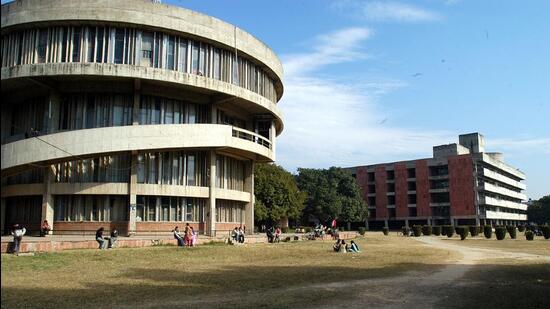
In these courses, a large number of seats have gone vacant for the 2022-23 academic session, similar to the response received by these courses in the last two academic sessions. These departments include Chinese and Tibetan studies; Russian, German, French and Francophone.
There are very few regular teachers in the university’s languages departments, with some of the small languages departments having only one regular teacher at present.
The admission data shared by the university shows that the seats have remained vacant in almost every course offered by these departments. As per the 2022-23 admission data, 42 students have opted for the certificate course in Russian against 131 available seats. Last year, only eight students were admitted to the course. However, in the 2019-20 academic session, 112 students had taken it up.
In the diploma course in Russian, 10 students have been admitted against 33 seats. Only two students had taken admission in the previous session.
In the Chinese and Tibetan studies department, only 24 students were enrolled for the certificate course in Chinese against the total intake of 66. Fourteen students were admitted to this course last year. Only 10 students have been admitted to the certificate course in Tibetan against 66 seats, which had 38 students in the 2019-20 academic session. There have been no takers for the diploma course in Tibetan this year which has 20 seats.
With 80 students admitted this year against 140 seats, there is a slight increase in the number of students admitted in the certificate course in German, compared to 73 last year. However, in the 2019-20 session, all the seats had been occupied. In diploma (German), only 13 students have been admitted this year against 35 total intake.
In the French department, 178 students were admitted in the certificate course this year against 220 seats compared to 125 students admitted last year.
In the diploma course, only 12 students have taken admission against a total of 58 seats.
There is a slight increase in MA (Urdu) takers, as 29 students have been admitted this year compared to 19 last year against 39 total seats. However, in the 2019-20 academic session, 28 students were admitted in the course.
In MA Hindi course, 59 students have been admitted against the total intake of 78 seats. Gurmeet Singh, a faculty member at the Hindi department, said the admission criteria in the Hindi and Sanskrit departments can be relaxed. “In Hindi department, a student is admitted to MA (Hindi) only if he/she has passed BA with Hindi or Sanskrit. Similar is the case in the department of Sanskrit. The rules/admission criteria could be relaxed or amended,” he said, adding that as per the NEP-2020, a student after passing BA, BSc, BCom can take admission in MA in any language.
Faculty members at PU echoed the need to strengthen these departments and recruit more faculty. Executive member of Panjab University Teachers Association (PUTA) Mritunjay Kumar said, “There may be multiple reasons behind less admissions in these departments which includes faculty shortage and change in orientation of jobs in sectors like IT. The university needs to ponder upon it.”
Ali Abbas, chairperson, Urdu and Russian departments, said, “The Covid-19 has impacted the admissions but for the next session we are hopeful for better response next year. But the recruitment of more faculty in these departments is immediately needed to strengthen them.”


