
 E-Paper



Roundabout: Dating death with a drizzle of poems
As Covid figures take on names of acquaintances, friends and dear ones, 70-year-old Gul Chauhan, the maverick youth of Punjabi literature, finds himself battling the dread that lurks with poem after poem

 Prefer HTon Google


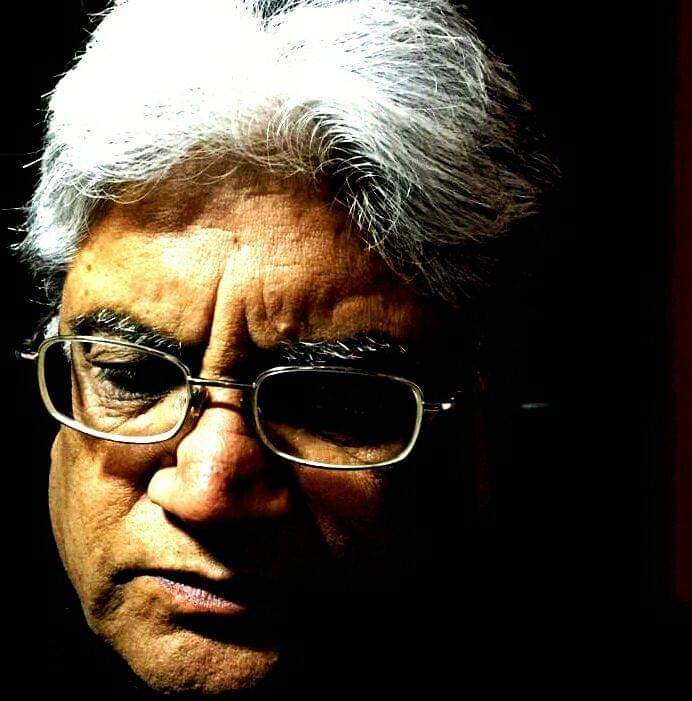
Amritsar boy Gul Chauhan, who chose to make Chandigarh his home, is one of a kind in the world of Punjabi littérateurs. He has carried the evergreen tree of his salad days through life, penning around 10 books of verse and prose in his own easy and unhurried manner. An old friend, he shares none of the ambitions and anxieties of writing with the purpose of winning first the languages department award, then the coveted Sahitya Akademi Award and with a little bit of luck the international Dhahan Prize for Punjabi Literature. Such minor concerns have never bothered him, for his has been a tryst with his own words and thoughts aiming to translate the noise around him into the music of an innocent song sung by a village schoolgirl in Government School, Khizrabad, off the Siswan Road: Tikka pawan sair nu janwa tedha cheer kadh ke, jeharhian moh-mohabbatan laayian o’ na jayio chhad ke (I’ll wear a gold ornament in the side-parting of my hair out on a walk, do not ever leave me forgetting the tender ties of love).
Poet and the pandemic
There is much that one can share about the experience of knowing this character who goes about with a confused expression, living the literary vagrancy, awargi would be a better word, in the tradition of famed writers of yore such as Sarat Chandra of Bangla, Majaz and Manto of Urdu and our own poet of the city, Kumar Vikal, who wrote in Hindi. An outdoorsy person he would go chasing dreams in Sector 17 around 20 years ago without fail and post himself in one of the corridors and watch eagerly through the glasses perched on his snub nose beautiful women come and go. But what has been most noticeable in these times are his poems addressed to the harrowing experience of the second wave of Covid-19 written in his very free and conversational style, which has been his contribution to Punjabi poetry over the years. “When the first wave of the pandemic was announced with the banging of thalis and lighting of lamps preceding the lockdown, I dismissed it all like many other Punjabis as some new demon created by the State to puzzle the people and take away their attention from more pressing issues. But it was in the cruel second wave while the body politic was indulging in kumbh melas or trying to capture Bengal, the horror struck with friends, relatives, co-writers just withering away as the strange infection travelled up their nostrils.”
Thus, these poems were penned, says Gul, with lurking fear that the virus could be climbing the stairs of his home any moment.
“Well, the fear was genuine for in my journey of starting from poetry and then moving to prose for a long time, I had returned to poetry in the last five years and now this nuisance was here to put an end to the enchanting time I was having,” he adds, in all seriousness.
Ode of loss and longing
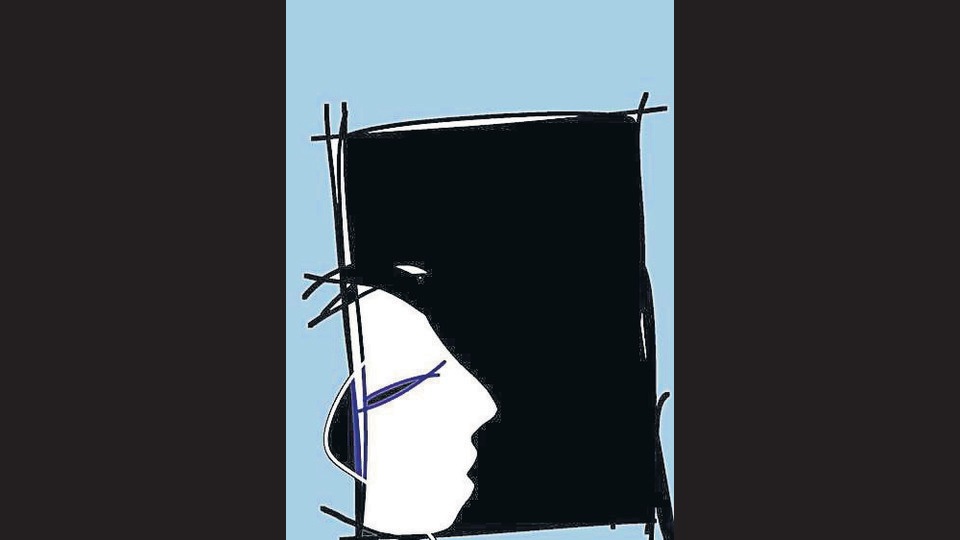
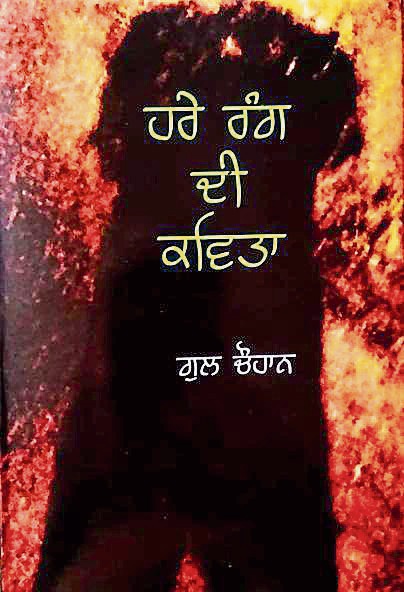
The first anthology of Gul’s poems Hare Rang Di Kavita (The Book of Green Poems) came out in the first lockdown. An artist as well, he first posted the poems on Facebook accompanied with his own sketches. The book was still lying in the sanitised parcel as one read them sometimes one a day and sometimes six a day on the social networking site.
It is beautiful poetry that was born out of everyday experiences and thoughts from cleaning his room to eating a watermelon. Then the recent change of mood made one tear the parcel and pull out the book just to remember that life was filled with green words not too long ago.
And onto the recent ones, while one is still mourning the death of poet friend Mangalesh Dabral and then more names start adding up on the page of loss. Gul describes this despair in the face of deathy his own credulous way: ‘Kyon aini chheti chetti mar rahe ne log/ Hore gal hai akhbar de page te marna kise da/ Facebook di abhasi bheerh te dam torhda door da dooja koi…(Why are people passing away in such a hurry/It is another thing when someone dies on a newspaper page/Some some stranger calling it a day in the virtual crowd of the Facebook...).
“It is quite another thing when a friend calls in a scared voice to briefly inform that so and so has died as what does one have to do with so and so. One takes a deep breath saying that let the whole country die with shortage of oxygen but let your one friend who is struggling to breathe live another day,” he says, in a sardonic monologue capturing the bitter truths of a time when death is a way of life.
But there are moments when the poet looks away from the darkness to cheer his friends and readers saying: ‘Nahi darna nahi dost/Guzar jayega eh daur/ Beet jaayegi eh kaali raat barkha di/Kal charhega phir suraj apna/Agge ton vi chamakda damakda nawan!’ (Don’t be afraid my friend/This time too shall pass/The dark rainy night will end/The sun will come out again/Bright, shinier than before, anew).
Talking to oneself
The poet goes on talking to himself in the isolation of his room, sometimes wary of peeping out of the window lest some sad news travels in. All of us have done so in the lonely masked times over and again. These spontaneous outpourings by Gul catalogue the melancholy and ruthlessness of the times no bars held. And one weaves one’s way through the words trying to put some order in the disorderly mess. Yes, one would like to ask the poet: “Gul, what colour will you give to this book of poems?” And then one adds, “When all this ends will I find you in Sector 17 once more in the evenings humming the lines of your naive village girl student?”


