
 E-Paper



Technical gaps cripple biometric system at Punjab’s opioid treatment centres
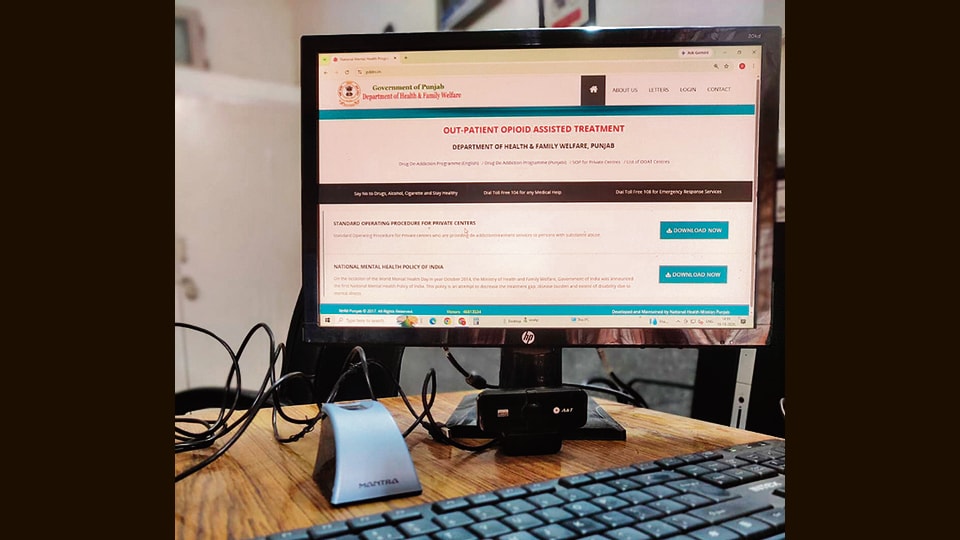
Under the programme, biometric machines with fingerprint scanning and cameras were provided for identity verification

 Prefer HTon Google


Rolled out over a year ago to verify patients’ identities and curb the pilferage of buprenorphine tablets, the biometric attendance system at Outpatient Opioid-Assisted Treatment (OOAT) centres in Punjab is still battling teething problems in the absence of basic technical infrastructure.
Buprenorphine is a partial opioid agonist medicine distributed at over 540 OOAT centres to treat opioid dependence among drug addicts by suppressing cravings and preventing withdrawal symptoms.
The biometric system, launched in March 2025, was intended to strengthen identity verification and ensure that medicines reached only registered patients by preventing impersonation and fake patient entries.
Under the programme, biometric machines with fingerprint scanning and cameras were provided for identity verification, backed by a Drug De-addiction Registry Portal to maintain a centralised database for patient records and monitoring medicine distribution.
The initiative was first launched as a pilot project in Rupnagar and Mohali districts before being extended to other districts. But technical hiccups have left the additional verification mechanism ineffective at several centres.
Outdated hardware stalling implementation
Health department employees familiar with the programme’s roll-out told HT how the existing computers at several centres did not meet the hardware and software requirements for running the new system.
The department failed to provide the necessary upgrades, contributing to implementation problems, they said.
“The biometric system requires computers running Windows 11 and equipped with at least an Intel Core i5 processor. These specifications are missing in most of the computers already available at the centres,” a health department employee directly involved in the initiative told HT.
As a result, the biometric devices distributed at the clinics remain unplugged, even rendering the portal developed to record patients’ attendance useless, employees at the OOAT centres said.
Aadhaar-only verification continues
Meanwhile, patients continue to receive buprenorphine on the basis of their Aadhaar cards, without the additional biometric verification mechanism envisaged by the government.
It was multiple instances of suspected pilferage of buprenorphine tablets from OOAT clinics that prompted the government to install biometric machines at government and private centres.
At Community Health Centre (CHC) Dhakoli in Mohali, records had flagged discrepancies involving buprenorphine stocks and entries relating to ghost patients, raising questions about the distribution and possible diversion of the medicine.
Dr Sandeep Bhola, nodal officer for OOAT centres, said he was not aware of the issue and would check with the centres across various districts.
Meanwhile, Dr Rohini Goyal, deputy director of Punjab health department’s mental health cell, which is running the OOAT programme in the state, said the technical issues reported by the centres would be resolved soon.


