
 E-Paper



Delhi EV policy 2.0 may incentivise retrofit
Delhi's EV policy 2.0 to be finalized in a month, aims to encourage adoption of electric vehicles.

 Prefer HTon Google


The Delhi electric vehicle (EV) policy 2.0 is likely to be finalised in a month, Delhi transport minister Kailash Gahlot said on Monday --- two days after the Delhi Cabinet approved the extension of the current framework till December 31.
“Work on the EV Policy 2.0 is in the final stage. Currently, the feedback received from the people and stakeholders is being reviewed. Our aim is to introduce a progressive policy, which encourages further adoption of electric vehicles, so that the contribution of vehicular pollution to bad air in the Capital can be checked,” said Gahlot.
ALSO READ: Delhi govt extends EV policy till December 31
According to officials aware of the matter, the policy is likely to provide further impetus to adoption of electric vehicles in Delhi by providing incentives for retrofitting vehicles running on conventional fuels to electric mode. They said the objective of the policy is to ensure that all commercial vehicles used by all categories of aggregators should be electric by 2030.
“Commercial vehicles are mostly operated under the aggregators, including ride-hailing and delivery services, and make significant contribution to air pollution, making it important that they switch their entire fleet to electric,” said an official asking not to be named.
ALSO READ: Delhi aims to double its EV adoption this financial year
The official added that all existing incentives being proved under the current policy will also likely to be continued under the fresh framework.
Currently, Delhi government provides multiple subsidies on the purchase of electric vehicles — road tax waiver, purchase incentives of up to ₹30,000 for two-wheelers, up to ₹5,500 for e-cycles, up to ₹30,000 on e-rickshaws and light commercial vehicles.
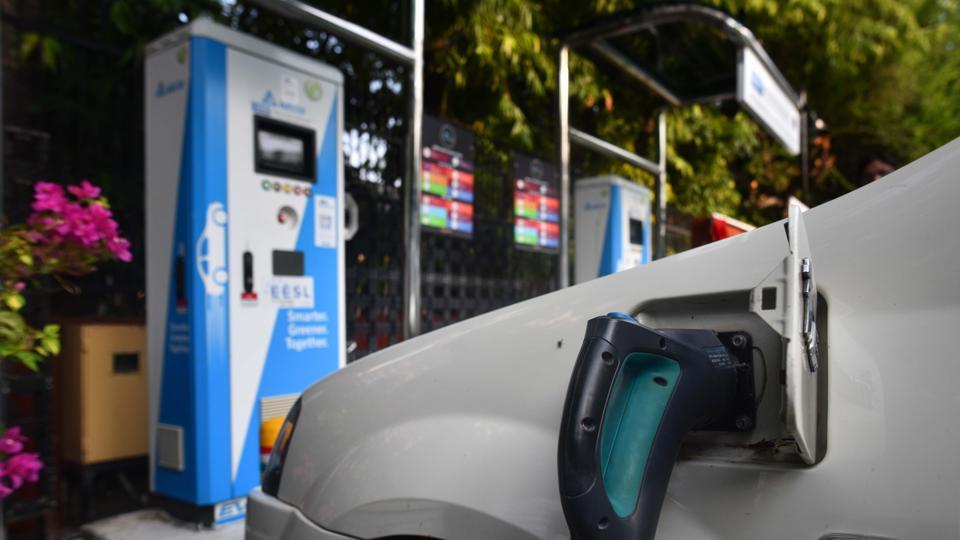
Around 11% of all vehicles sold in Delhi currently are electric vehicles, the official said. “Currently, Delhi has roughly around 4,500 private and public EV charging points,” the official said explaining the reasons behind quick adoption of such vehicles in Delhi.
Earlier, the Delhi government officials said that the framing of the new policy was delayed because the lieutenant governor’s office terminated 400 “specialists” who were working in the EV cell, the nodal centre to implement EV policy. However, the LG’s office said that the specialists were terminated because they were hired in a “non-transparent manner” and without the mandatory approvals of the competent authority.
Amit Bhatt, managing director (India), International Council on Clean Transportation , said, “The Delhi EV policy has brought a revolution in the adoption of electric vehicles, not only in Delhi but across the entire country. Therefore, the continuation of this EV policy is crucial to maintain the momentum in favour of EVs. It will be essential to monitor the specific details of the new policy as it takes shape. The inclusion of trucks and other freight vehicles holds the potential to usher in a new era of decarbonising the transport sector, in which Delhi can take a leading role.”
Launched on October 22, 2020, the Delhi Electric Vehicle Policy -- one of the flagship plans of Delhi’s Aam Aadmi Party (AAP) government -- was aimed at fighting high levels of air pollution in the city by cutting vehicular emissions. The policy sought to achieve this objective by bringing about a paradigm shift in the Capital’s transport sector by introducing two key changes. One, the state government embarked on a major switch from Compressed Natural Gas (CNG)-run public buses to electric buses. Of the total 3,700 buses run by the Delhi Transport Corporation (DTC), the Capital now has 800 electric buses. And, the government has committed to buy only electric buses to replace the CNG ones that will be retired from the fleet.
The second major change was encouraging residents to switch to electric vehicles by providing subsidies. The policy has set a target of 25% of all new vehicles registered in Delhi to be electric by 2025.


