E-Paper



Delhi logs 3 dengue deaths, infections cross 2,100-mark
The MCD report also stated that out of the 2,115 dengue cases so far this year, the most — 306 — have been reported from the Najafgarh zone, followed by 275 from South zone, 239 from Shahdara North zone and 221 from Karol Bagh zone

 Prefer HTon Google


New Delhi:
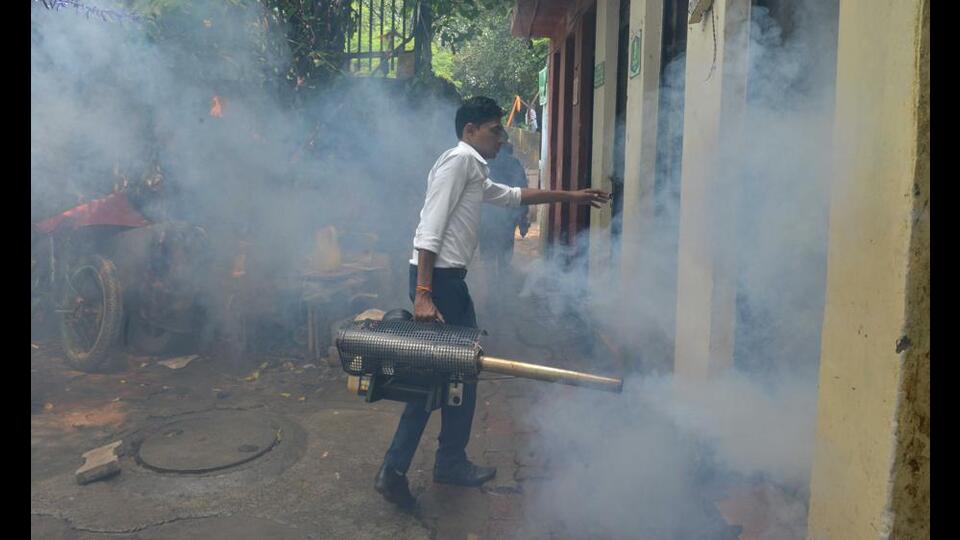
The Municipal Corporation of Delhi (MCD) on Tuesday confirmed that this year, three people in the city have died due to complications arising from dengue, with the overall count for the number of the infections crossing the 2,100-mark so far in 2024.
This is the first time this year that the corporation has confirmed dengue deaths, with officials stating that the same have been cleared by the civic body’s death audit committee. MCD further stated that Delhi has recorded 485 dengue cases over the last one week alone.
“The first case was of a 16-year-old male from Mahipalpur on September 3, the second of a 51-year-old male from the Sainik Farms area on September 11, and the third of a nine-year-old female from Budh Vihar, also on September 11. The (death audit) committee has cleared these cases,” a senior official from the corporation’s health department said, requesting anonymity.
Delhi had recorded 19 dengue deaths in 2023, nine deaths in 2022, and 23 deaths in 2021.
The MCD report also stated that out of the 2,115 dengue cases so far this year, the most — 306 — have been reported from the Najafgarh zone, followed by 275 from South zone, 239 from Shahdara North zone and 221 from Karol Bagh zone.
A monthly distribution of dengue cases shows that 76 dengue cases were reported in July which rose to 256 cases in August and 1,052 cases in September, with 485 cases in the first week of October.
Not all dengue patients who die in Delhi’s healthcare facilities are counted in the official dengue death count of the city. A second municipal official said that all dengue-related deaths are taken up by a death review committee.
“Hospitals send the case details of these deaths. The committee analyses cases of suspected dengue deaths of Delhi residents as well as those who had arrived in Delhi from neighbouring states seeking treatment. Once a dengue or malaria related death is reported by a hospital, the committee audits all case documents to ascertain whether it was the vector borne infection that caused the death, and also to find out if the origin of the disease was Delhi. The committee also looks at other aspects such as comorbidities before attributing the deaths to vector borne diseases,” the official said.