
 E-Paper



H1N1 emerges as dominant flu strain in Delhi as cases cross 2,300 this year
The national capital is witnessing a rise in seasonal influenza cases, with H1N1 emerging as the predominant circulating strain, prompting the health department to step up surveillance and review preparedness measures across hospitals in Delhi

 Prefer HTon Google


The national capital is witnessing a rise in seasonal influenza cases, with H1N1 emerging as the predominant circulating strain, prompting the health department to step up surveillance and review preparedness measures across hospitals in Delhi.
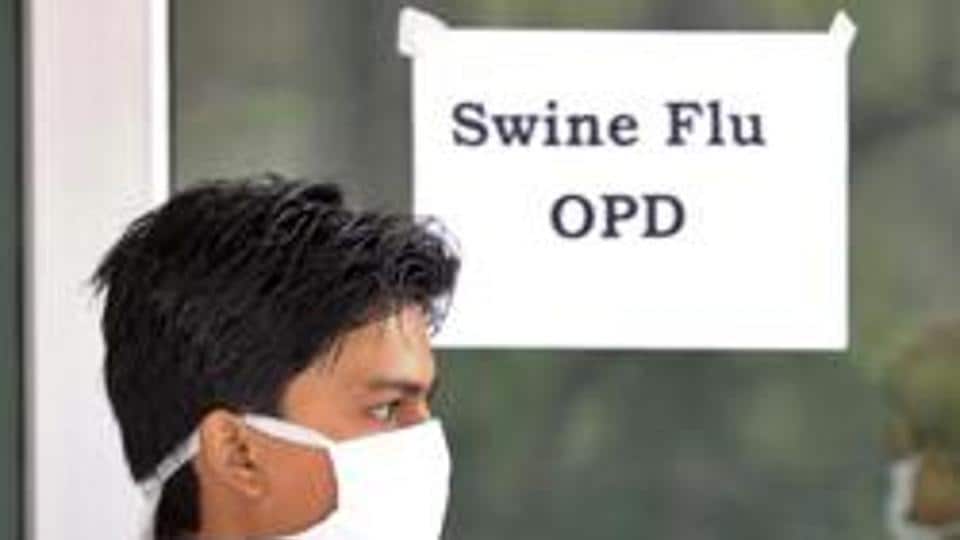
According to data shared by the Delhi health department, the city has reported 2,308 H1N1 cases so far this year, as compared to 229 cases last year, during the corresponding period.
According to data available till August 24, nearly 3,000 casesof Influenza A and B have been recorded in Delhi in 2026, with H1N1 emerging as the predominant circulating strain. Last year, H3N2 was the dominant influenza subtype, said officials.
While influenza can often begin with symptoms similar to other seasonal viral infections, doctors advise people to pay attention to persistent or worsening symptoms and seek medical advice when required.
On Tuesday, Delhi health minister Pankaj Singh held an interdepartmental meeting with hospital and municipal corporation officials and reviewed disease surveillance, hospital preparedness, testing facilities and medicine availability. He also directed civic agencies to step up influenza awareness campaigns, besides undertaking vector-control measures.
Singh said, “I want to reassure the people of Delhi that there is no need for panic. Our health system is fully prepared and we are continuously monitoring the situation. At the same time, we cannot be complacent. I have directed all concerned agencies to intensify awareness and preventive measures in a timebound manner. The work must reflect on the ground and not remain confined to reports. Our priority is early detection, timely treatment, effective prevention and keeping the people of Delhi informed and protected.”
Additionally, as cases rise, Lok Nayak Hospital has set up an isolation facility for patients requiring admission. According to hospital authorities, dedicated beds, including critical care facilities, have been earmarked for influenza patients.
Dr Satyajeet Kumar, medical director, LN Hospital, said the hospital currently has seven beds in its emergency area for such patients, including two ventilators.
“If any patient arrives with influenza symptoms and requires ventilator support, we have two ventilators on standby, and their number can be increased as needed. We also have a 70-bed ward on the seventh floor, including 10 ICU beds and seven HDU (high dependency unit) beds,” he said.
At GTB Hospital, a fever clinic was started on Tuesday. “The hospital has started a dedicated fever clinic, where patients who are coming with complaints of cough, cold and fever will be attended and at the clinic the samples will be taken for further diagnosis for checking influenza or H1N1 cases.”
The DDU Hospital has also started a dedicated ward for H1N1 cases.
During the meeting on Tuesday, the health minister also reviewed the situation of vector-borne diseases in the Capital. Delhi has reported 570 dengue cases and 215 malaria cases so far in 2026. No deaths linked to either disease have been reported this year, according to health department officials.
The minister also appealed to citizens to follow basic respiratory and hygiene precautions, avoid close contact when unwell and seek timely medical advice if symptoms persist or become severe.


Stay updated with all top Cities including, Bengaluru, Delhi, Mumbai and more across India. Stay informed on the latest happenings in World News along with Delhi Election 2025 and Delhi Election Result 2025 Live, New Delhi Election Result Live, Kalkaji Election Result Live at Hindustan Times.


