
 E-Paper



Health minister Mansukh Mandaviya directs Delhi to up dengue testing
Delhi recorded 1,537 cases and six deaths due to dengue till October 31. Highlighting the urgency of intervention, the minister pointed out that while many poor people could be affected by dengue, several of them may not be diagnosed properly and their deaths were likely to be unreported


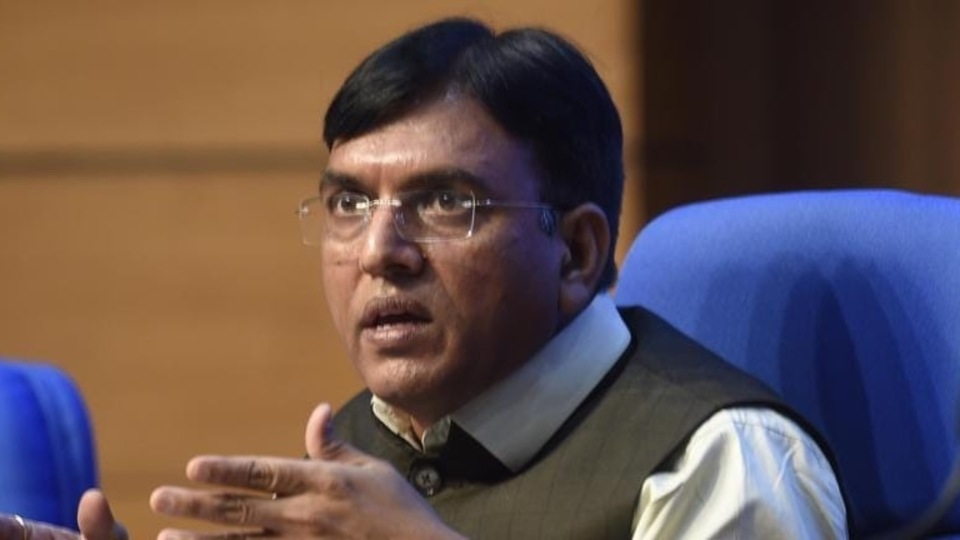
As the number of dengue cases crossed the 1,500-mark in the national capital, Union health minister Mansukh Mandaviya reviewed the situation on Monday, directing officials to ramp up testing so that all cases are reported and treated properly.
According to official data, Delhi recorded 1,537 cases and six deaths due to the vector-borne disease until October 30.
“Primary healthcare centres may prescribe anti-pyretic drugs to suppress the symptoms without addressing the root cause, which may lead to the eventual demise of the patient. Since testing is the most important step to identifying dengue, these deaths will not be reported as such and the disease will continue to be under-reported,” said Mandaviya during the review.
Highlighting the urgency of intervention, the minister pointed out that while many poor people could be affected by dengue, several of them may not be diagnosed properly and their deaths were likely to be unreported.
“The last two weeks have been bad in terms of the number of cases; and it looks like a mix of strains is prevalent--dengue 1 and 2. The disease outcome depends largely on when the disease is diagnosed and whether you are well-hydrated and have your vital parameters, such as blood count, liver function etc. in check. Many patients delay going to a doctor, resulting in their condition deteriorating,” said Dr Rommel Tickoo, director (internal medicine), Max Healthcare.
The Union health minister assured Delhi of his full support in controlling and managing the vector-borne viral disease.
The Union health minister also stressed the need for effective coordination between the Centre and states, and said that officials from the health ministry will support their counterparts in the Delhi government to chalk out a detailed action plan to combat the rising cases of dengue.
He said that since it seemed as if some hospitals were over-burdened with dengue cases, while beds remained empty in others, the Union health ministry suggested Delhi officials look into the possibility of repurposing beds reserved for Covid-19 patients for dengue patients. He also suggested the Delhi health officials carry out on-ground initiatives such as hotspot identification, fogging and timely treatment to curb the disease.
“Use of mosquito nets, full sleeved clothing, indoor fogging are to be encouraged,” he said.
Now that the schools are being reopened, Delhi government will begin a campaign to sensitise school children on larvae control, and training them to ensure there is no water storage in flower pots, feeding bowls for birds, coolers etc.
Among other measures for vector control, biological larvicide fish like Gambusia have been deployed at 163 sites, the Delhi government said.
Delhi government recently declared dengue a notified disease that is likely to enhance reporting and monitoring of the disease. As of now, Delhi is monitoring all fever cases, suspected dengue cases and confirmed cases. All hospitals have been converted to sites with zero tolerance for mosquito breeding, and a mosquito net will be provided to all dengue patients so that non-dengue patients undergoing treatment do not get infected.
“Although only 10% cases are complicated and mortality seldom crosses 1%, all Delhi Government health officials assured the Union Health Minister that the outbreak shall be contained with the help of all stakeholders…,” read the health ministry statement.
Apart from Delhi, the health minister also directed officials to focus on those states reporting dengue cases.
Mandaviya directed the Union health secretary, Rajesh Bhushan, to identify and send teams of experts to states with reporting high active dengue cases.
The meeting also discussed the new vaccines developed to target dengue that is being tried in India.

Stay updated with all top Cities including, Bengaluru, Delhi, Mumbai and more across India. Stay informed on the latest happenings in World News along with Delhi Election 2025 and Delhi Election Result 2025 Live, New Delhi Election Result Live, Kalkaji Election Result Live at Hindustan Times.


