
 E-Paper



High exposure to bad air can worsen mental health, warn doctors
Pollution likely affects the part of the brain that regulates emotions, leading to or aggravating issues such as anxiety, depression and memory loss


The impact of air pollution on humans, especially to levels as high in the national capital, runs deeper — health experts and studies opine that toxic air potentially impact brain functioning, affecting mental health, and made worse by restricted outdoor movement and altered daily routine.
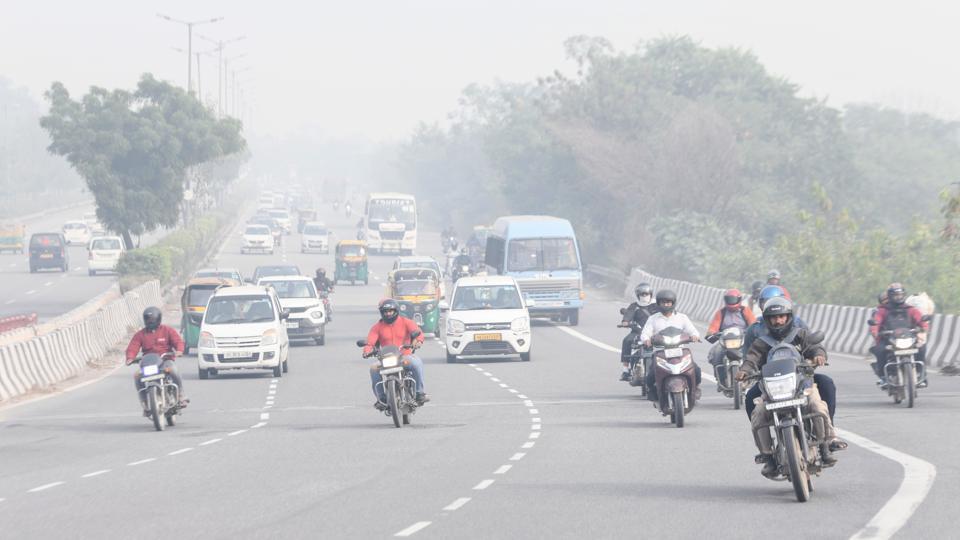
While scientific studies and doctors are yet to decode the way poor air directly impacts the human brain, several of them collectively suggest that pollution likely affects the part of the brain which control hormones that regulate emotions, leading to or aggravating issues such as anxiety, depression and memory loss.
Clara G Zundel, postdoctoral research fellow in psychiatry and behavioural neurosciences, Wayne State University, in a 2022 World Economic Forum report said, “People who breathe polluted air experience changes within the brain regions that control emotions, as poor mental health may relate to neurostructural and neurofunctional changes, and as a result, they may be more likely to develop anxiety and depression than those who breathe cleaner air.”
Till now, much of the focus was how physical health of people breathing polluted air takes a hit, with respiratory issues being the most commonly seen across all age groups, it also forces people to stay indoors for long durations, which can indirectly be the cause of anxiety or insecurity, even among healthy adults, according to Dr Om Prakash, a psychiatry professor and deputy medical superintendent at the Institute of Human Behaviour and Allied Sciences (IHBAS).
“During high pollution days, a lot of our daily activities are restricted, which includes something as basic as going for walks, or going grocery shopping. While a day or two is fine, but Delhi and the neighbouring towns often records extremely high pollution levels for days together and that can have indirect impacts on a person’s mental health,” Dr Prakash said. He added that for people with pre-existing mental health conditions, pollution can worsen depression and anxiety symptoms. It also becomes concerning for such patients as they are likely to exhibit tendencies of skipping medicines or routine doctor visits.
A 2022 study conducted on a group of people from US and Denmark found that exposure to air pollution is also significantly associated with increased risk of psychiatric disorder including depression, schizophrenia, bipolar disorder and personality disorder.
Dr Nand Kumar, professor psychiatry, All India Institute of Medical Sciences (AIIMS), said that while studies are still trying to establish the exact way in which pollution impacts the human mind, high exposure to toxic gases and particulate matter can trigger inflammation in parts of the brain, including the hippocampus and the prefrontal cortex, that are responsible for regulating emotions.
“Children are more susceptible because their brains are still developing. Several research studies have established a link between high pollution exposure with anxiety, depression and also memory loss,” said Dr Kumar.


Stay updated with all top Cities including, Bengaluru, Delhi, Mumbai and more across India. Stay informed on the latest happenings in World News along with Delhi Election 2025 and Delhi Election Result 2025 Live, New Delhi Election Result Live, Kalkaji Election Result Live at Hindustan Times.


