
 E-Paper



Reduce tree transplantation to get green nod for bus depot in Delhi, NBCC told
The four-storey bus depot — a ₹375 crore project — will have a built-up area of 80,907 sqm, the NBCC proposal submitted to SEAC states

 Prefer HTon Google


Delhi’s State Expert Appraisal Committee (SEAC), a body that advises the state on environmental clearances to development projects, has asked central public sector enterprise NBCC to reduce the number of trees to be transplanted from the site of an upcoming bus depot at Vasant Vihar in south Delhi, officials aware of the matter said.
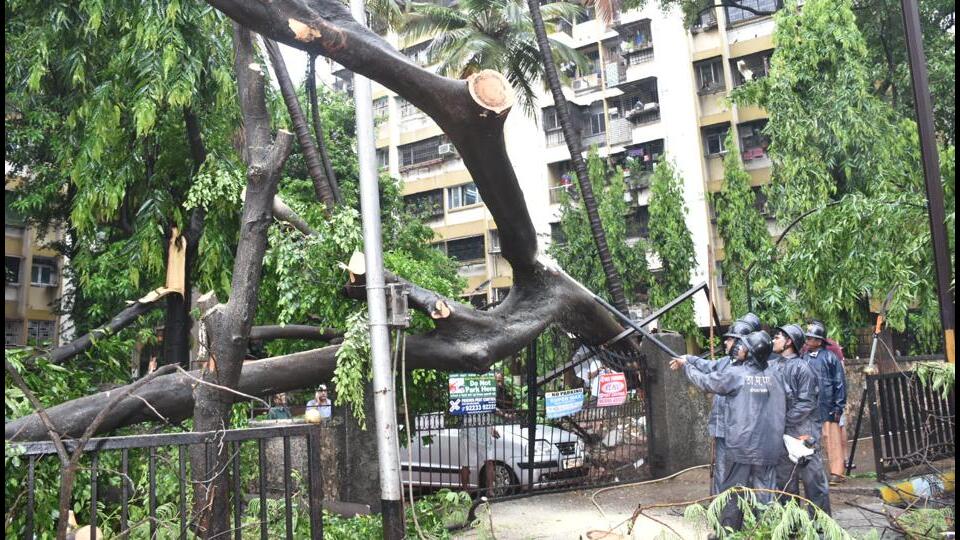
The four-storey bus depot — a ₹375 crore project — will have a built-up area of 80,907 sqm, the NBCC proposal submitted to SEAC states. As part of the NBCC proposal, the project site has 110 trees, of which none is to be felled, while 46 are to be transplanted. For the 46 trees being transplanted, NBCC said it will carry out compensatory plantation of 460 trees, for which DDA has already allotted them land.
However, SEAC — a body comprising 12 members, including retired IAS officers and experts in the fields of architecture and environment — noted in a February 26 meeting that some of the trees proposed for transplantation have a wide girth and are a “part of the city’s natural heritage”, and asked NBCC to bring down the final figure for transplantation in order to get environmental clearance.
SEAC said it had identified seven trees which have a fairly large girth. “The girth of these trees...ranges from 2.95 metres (pilkhan) to 8 metres (bargad). This is an extraordinarily high concentration of high girth trees in one row and are part of the natural heritage of the area and the city. This row of trees needs to be conserved by giving sufficient ground space around the trees as breathing space. In particular, the bargad tree of 8-metre girth needs sufficient space unpaved ground space around the tree base of 1-2 metre width,” the minutes of the meeting, issued recently, said.
SEAC chairman Vijay Garg told HT that the body has asked NBCC to submit a fresh proposal.
“The environmental clearance has not been awarded, as we have identified some trees which are fairly old and have a good girth too. The trees being saved should not be limited to the ones mentioned, but overall too, we have asked them to bring down the number of trees being impacted,” he said.
HT reached out to NBCC, but officials there did not comment on the matter.
Gurpreet Bindra, the president of the Vasant Vihar residents’ welfare association (RWA), said there is hardly any land left in the area for development, adding that it is important to preserve as many trees as possible. “The bus depot is likely to be built next to the Vasant Vihar RTO, on Nelson Mandela Marg. If older, high girth trees are found, it is important to preserve as many as possible and maintain a suitable green cover,” he said.



