
 E-Paper



DTCP divides Gurugram dist into three zones to make enforcement effective
The first zone will cover areas falling between Sector 1 to Sector 57, the second zone from Sector 58 to Sector 80, and the third zone from Sector 81 to Sector 115, officials said. An order in this regard was issued by the DTCP director general TL Satyaprakash on Thursday

 Prefer HTon Google


The department of town and country planning (DTCP) has divided the district into three zones and appointed two new enforcement officials for a period of three months to make enforcement more effective and prevent illegal construction activities, officials said on Friday. The two new officials will oversee enforcement activities and demolition drives in their respective zones, they added.
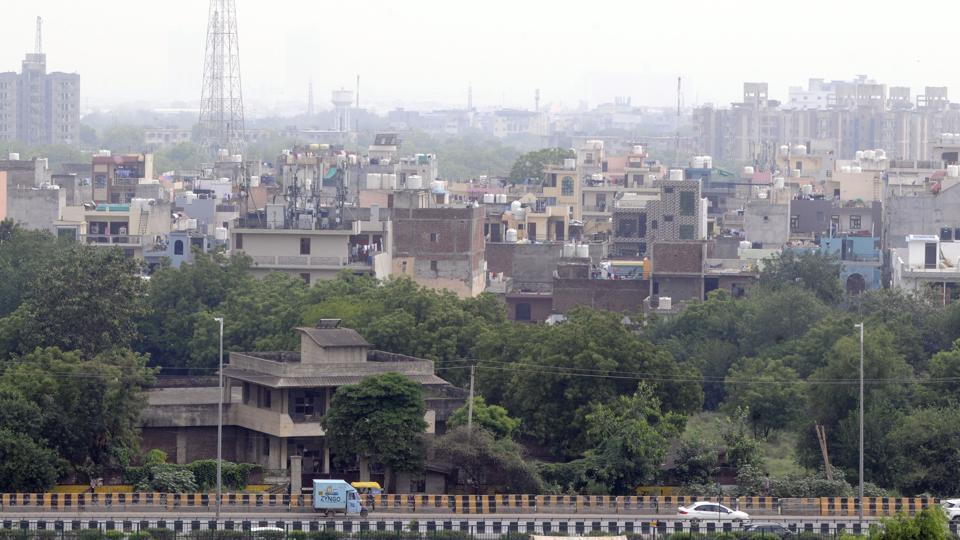
The first zone will cover areas falling between Sector 1 to Sector 57, the second zone from Sector 58 to Sector 80, and the third zone from Sector 81 to Sector 115, officials said. An order in this regard was issued by the DTCP director general TL Satyaprakash on Thursday.
The DTCP’s enforcement wing is responsible for preventing violations in private licenced colonies and change of land use (CLU) sites in urban areas across the district. The continuous expansion of residential and commercial areas in the last 10 years has exponentially increased the work of the department, which senior DTCP officials said could only be handled by increasing the number of overseeing staff.
“Keeping in view of the multiple functions of the enforcement wing, it was felt that the services of two more enforcement officers was required to strengthen the enforcement wing in Gurugram,” the order issued by Satyaprakash said.
RS Bhath, district town planner (headquarters), Chandigarh, said two more enforcement officials will be appointed to streamline the enforcement work. “Presently, the enforcement team covers a very large area and that is why we have divided the district of Gurugram into three zones. The move will help in curbing unauthorised colonisation and also prevent illegal and commercial activities and violations in licenced colonies and CLU sites. More staff will also be deployed on the ground to make the enforcement wing more effective,” he said.
As per the order issued by Satyaprakash, district town planner (enforcement) Manish Yadav, will remain the overall in-charge of the licenced colonies and CLU sites, but the job of taking action against violations, illegal colonisation and other such matters will be divided among officials sector wise.
Yadav has been assigned areas that fall within Sector 1 to Sector 57, where he will take action against violations in controlled and urban areas. He will also take action against all violations pertaining to licenced colonies, CLU sites and in the preparation of reports.
Binesh Kumar, district town planner (Mewat), has been assigned areas that fall within Sector 58 to Sector 80, the agriculture zone that falls under the Gurgaon-Manesar urban complex (southern side) and areas under the Sohna and Gwal Pahari master plans. His job will be to detect violations and curb the development of illegal colonies. He will also issue notices and carry out demolition drives and attend matters pertaining to building plans.
Sumit Malik, district town planner (MCG) has been assigned areas that fall within sectors 81 and 115, the agriculture zone that falls under the Gurgaon-Manesar urban complex (northern side) and areas under the Pataudi and Farrukhnagar master plans. His job will be to detect unauthorised colonisation, issue notices and carry out demolition drives, among others.


