
 E-Paper



Reporter’s diary: Gurugram vents as RWAs meet civic officials
From unsafe footpaths to poor enforcement, the meet showed how civic failures intersect and why regular citizen–agency forums matter.

 Prefer HTon Google


There are days in journalism when you chase headlines, and then there are days when the story walks into the room. Hindustan Times Gurugram’s second monthly RWA meet on Saturday was firmly the latter. What was planned as a discussion on pollution became a broader conversation on the daily civic struggles of a city that has been holding its breath for far too long.
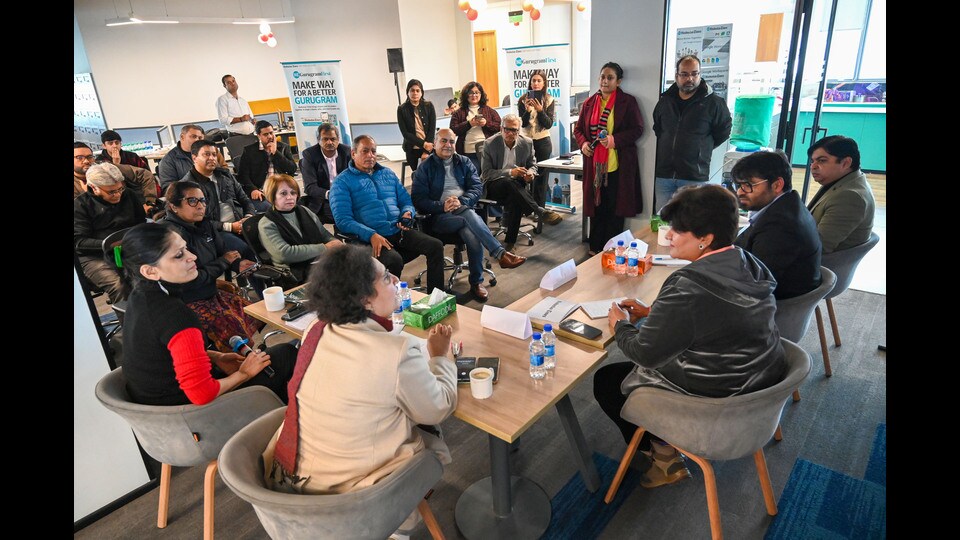
The meeting brought together residents, experts, and officials from the Municipal Corporation of Gurugram (MCG) and the Gurugram Metropolitan Development Authority (GMDA). While pollution was the central agenda, the discussion quickly expanded to include waste management, broken roads, construction debris, unsafe footpaths, poor enforcement, and the lack of long-term planning. The overlap was unavoidable. In Gurugram, civic issues do not exist in silos. Dust pollution is tied to damaged roads, damaged roads to weak monitoring, weak monitoring to contractors escaping accountability, and residents ultimately bearing the cost in health, time, and quality of life.
As the moderator, I realised early on that this forum was not just about listing problems. It was about the emotional weight residents carry every day. Many spoke of the frustration of unanswered complaints, the helplessness of watching the same issues resurface season after season, and the exhaustion of living in a city that promises world-class living but struggles with basic services. People did not come only to demand solutions. They came to be heard, to vent, to question, to challenge, and to finally put faces to systems that often feel distant and unaccountable.
The discussion on pollution was detailed and intense. Residents highlighted dust from construction sites, debris lying on roads, open dumping, and the daily reality of living under unhealthy AQI levels. From there, the conversation spilt naturally into poor road infrastructure, lack of enforcement on contractors, and unsafe pedestrian spaces. The room reflected Gurugram itself: complex, interconnected, and resistant to neat categorisation.
At one point, officials from MCG and GMDA found themselves surrounded by questions from all sides. The tone sharpened, and the atmosphere briefly turned tense. It felt like years of unresolved grievances were being compressed into a single sitting. For a moment, I wondered if the officials would retreat into defensive answers or default assurances.
What stood out, however, was that they did not. They stayed, listened, responded, and acknowledged the concerns, even under pressure. Their openness mattered. In a city like Gurugram, residents need more than promises. They need access, transparency, and regular, structured platforms where accountability is a shared expectation rather than an afterthought.
Gurugram continues to grapple with pollution, waste, poor roads, infrastructure gaps, and civic apathy. Yet, the aspirations of its residents remain clear: cleaner air, safer streets, reliable services, and a healthier life in the Millennium City.
If this meeting demonstrated anything, it was that when citizens and agencies sit across the table often enough, frustration can turn into dialogue. And dialogue, sustained over time, is where solutions begin to take shape.
Leena heads the Gurugram bureau, and has extensively covered civic issues, environment, crime, real estate and politics.


Stay updated with all the Breaking News and Latest News from Mumbai. Click here for comprehensive coverage of top Cities including Bengaluru, Delhi, Hyderabad, and more across India along with Stay informed on the latest happenings in World News.


