
 E-Paper



HT Chandigarh debate: Time to chalk out economic and welfare plans for migrant labourers and daily wage workers
The one big story that has emerged in the times of the Covid-19 pandemic is the plight of migrants and daily wage workers


The one big story that has emerged in the times of the Covid-19 pandemic is the plight of migrants and daily wage workers. A mass exodus began from Delhi in March since the lockdown was announced, with thousands queuing up for buses or rushing to railway stations to take them back to their villages and smaller towns in other states. As governments struggled to come to grips with the matter, some people, unable to find transport, began walking, hoping against hope to reach their destinations alive. Tragically, many died, their hearts unable to bear the hardships, hunger and stress due to displacement. Then came lockdown two in April, triggering another outflow of people from bigger cities stricken with fear of contracting the disease or worse, dying of hunger as all means of survival dried up with construction projects and other labour-intensive services remaining closed. Many were thrown out of their tenements and lodgings by landlords who themselves needed rent to survive.
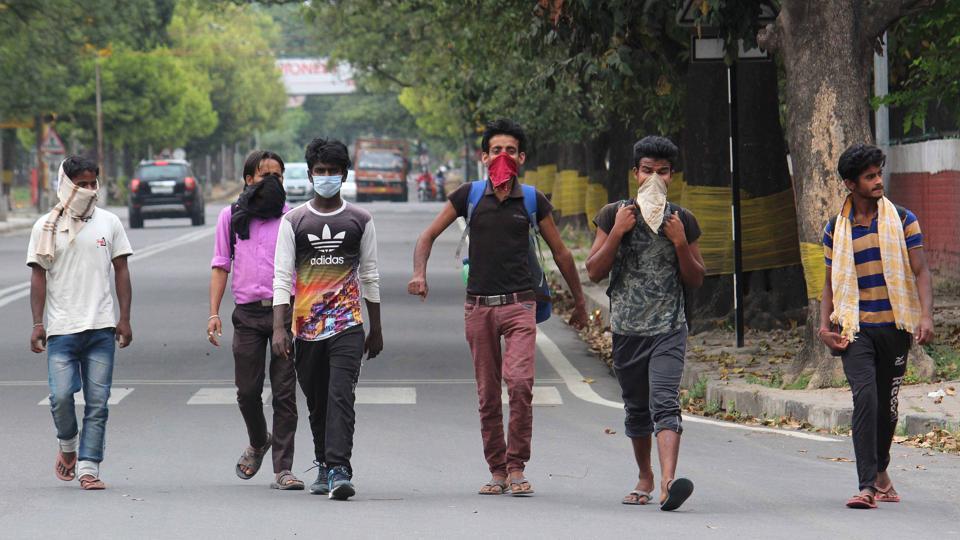
Things have started moving feebly since then with many states slowly realising the extent of the migrant problem and scrambling to get their own people back home. Some migrants have been kept in relief camps and others are being sent back home after mandatory quarantining in special state transport buses, and now in Shramik Special trains.
The question that must be on the minds of top government official in the Centre and states is: What now? Kick starting the economy is vital for the survival of every citizen of this country. Though the Union home ministry ordered from April 20 that agricultural and related activities remained fully functional to keep the rural economy going, many states, with the exodus of migrants, are facing labour shortage, a huge problem now with paddy sowing round the corner.
Workers are also critical to reopening of industrial and construction activities. What happens when the lockdown is lifted?
The learnings from Covid-19 are obvious: It’s time the migrants/daily wage workers get their due. All stakeholders in the farming, industrial and business community should rise to the occasion and invite them back to their cities or villages with good packages, including medical care and education of their children. Future savings and investments should also be made mandatory.
All sectors that have reaped rich harvests with the support of these workers cannot be excused for giving them the short shrift in times of a crisis and expecting states or the central government to take care of their needs. Even though a Labour Welfare Fund exists, the migrations from Delhi and other metros prove beyond doubt that the poor are being exploited mercilessly, with no thought given to improving their lot or helping them secure their future.
In these times of Covid-19 and looking ahead, plans and policies need to be put in place to ensure these vulnerable communities are looked after and their future secured once normalcy is restored.
What should be done to secure the future of daily wage workers/migrant labourers?
What steps should farmers/industrialists/local administrations take to secure the future of migrants/daily wage workers once normalcy is restored? Send your answers to Chandigarh@hindustantimes.com by May 8.


