E-Paper



Only 12% consumers enrol in OTS as power theft dues touch ₹6,367 cr in UP
The scheme, branded as Bijli Bill Rahat Yojana, covers penalty and compounding charges in cases of alleged power pilferage, along with regular dues. Those accused can avoid litigation by depositing the assessed amount under the scheme.

 Prefer HTon Google


Uttar Pradesh’s one-time settlement (OTS) scheme for power theft has received a tepid response, with just 12% of eligible consumers enrolling despite substantial waivers on offer.
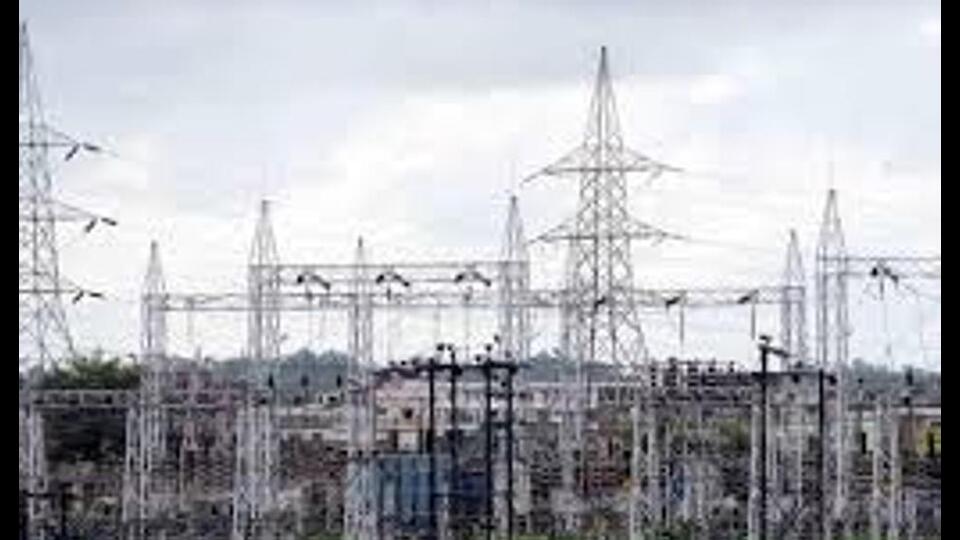
The scheme, branded as Bijli Bill Rahat Yojana, covers penalty and compounding charges in cases of alleged power pilferage, along with regular dues. Those accused can avoid litigation by depositing the assessed amount under the scheme.
Official data shows 6.26 lakh power theft cases eligible for settlement as of January 1, 2026, involving assessed dues of ₹6,367.23 crore and compounding charges of ₹560.80 crore across five discoms. However, only 75,277 cases have been registered so far, translating into a participation rate of 12%, highlighting persistent challenges in converting enforcement action into actual revenue recovery.
Acknowledging challenges, UPPCL director (Commercial) Prashant Vema said, “We will analyse reasons for the limited traction from consumers booked under power theft cases and act accordingly. Currently, we are focusing on normal arrears.”
The discoms have collected ₹188.38 crore so far, ₹149.63 crore towards assessment dues and ₹38.75 crore as compounding charges. On January 3, collections stood at ₹4.57 crore.
The scheme has enabled 51,557 consumers to fully settle their cases, with utilities waiving ₹108.35 crore as an incentive for voluntary compliance.
Among discoms, DVVNL (Dakshinanchal) leads in absolute numbers with 24,773 registrations, followed by PVVNL (Paschimanchal) at 24,033. However, in percentage terms, Purvanchal (PUVNL) shows the highest participation rate at 15.3%, while KESCO (Kanpur) lags with just 8% registration.
A senior energy department official said the low enrolment indicates a deeper structural issue. “Either the deterrence value of enforcement remains weak or a large segment of consumers continues to stay outside the formal billing system,” the official said.
While over 51,000 old theft cases have been resolved, the overall enrolment under the scheme remains limited. “The low enrolment shows a deeper structural issue; either the deterrence value of enforcement remains weak or a large segment of consumers continues to stay outside the formal billing system,” a senior energy department official said.