E-Paper



Uttar Pradesh gearing up to reintroduce decentralised system of foodgrain procurement
Uttar Pradesh had tried the system and discarded it more than a decade ago. Pending subsidy bills was the main problem.

 Prefer HTon Google


After the Centre’s nudge to states, Uttar Pradesh is gearing up to adopt the decentralised system of procurement of foodgrains for the public distribution system (PDS) and other welfare schemes more than a decade after it discarded the system.
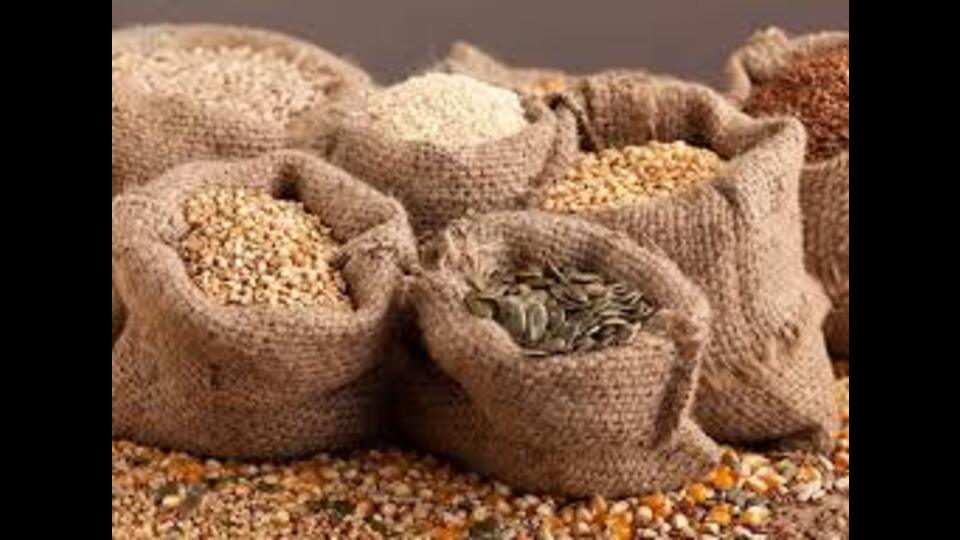
People aware of the development said that the consensus to reintroduce the decentralised procurement system was arrived at in a high-level meeting chaired by chief secretary Durga Shankar Mishra here last week. The new arrangement, according to them, may come into force for the paddy procurement marketing season 2022 scheduled to start from October-November or the next wheat purchase marketing season from March-April 2023.
“Under the prevailing centralised procurement, we purchase wheat and paddy from farmers at the minimum support price (MSP) fixed by the Centre. Subsequently we transfer all the stocks to the Food Corporation of India (FCI) godowns. The FCI later reimburses the procurement bills to us and also reallocates wheat and paddy to the state as per its PDS requirement, a senior food and civil supplies department officials said.
U.P’s monthly PDS foodgrain requirement is a little more than 8 lakh metric ton (MT).
“The decentralised system, on the other hand, requires us to procure, store and issue foodgrains under the PDS and other welfare schemes on our own. The FCI accepts only the surplus food grains after deducting the needs of the state or allots food grain to it in case of the procurement that is lower than the state’s requirement,” the official explained.
The Central government, according to him, has been mounting pressure on states, including Uttar Pradesh, for a long time to adopt the decentralised procurement, pointing out that this system seeks to ensure that MSP is passed on to the farmers. The system aims to enhance the efficiency of procurement and to encourage procurement in non-traditional states, thereby extending the benefits of MSP to local farmers as well as saving on transit losses and costs.
The Centre introduced the decentralised procurement scheme for states in 1997-1998 and U.P. adopted this system for around a decade before it discarded the same in 2010 after some bitter experiences.
“The main problem that U.P. faced after adopting the decentralised purchase was that its subsidy bills would remain pending with the Centre (FCI) for months,” retired additional food and civil supplies commissioner (marketing) AK Singh said.
“Besides, the state did not have the requisite know-how and infrastructure to handle the decentralised procurement,” he added.
U.P. has been wary since and avoiding to again adopt the same system. The state is apprehensive that decentralized procurement might lead to an extra burden on its exchequer since it will have to invest a lot in creating required infrastructure, including setting up more godowns and training the staff, apart from fearing that subsidy bills may not be cleared promptly.
“The chief secretary, in the meeting last week, said that there had been more than a decade since U.P. gave up the decentralised procurement. He said a lot of things had changed in the meantime and told the food and civil supply department officials that there was no harm in retrying the decentralised procurement in the state,” another official revealed.